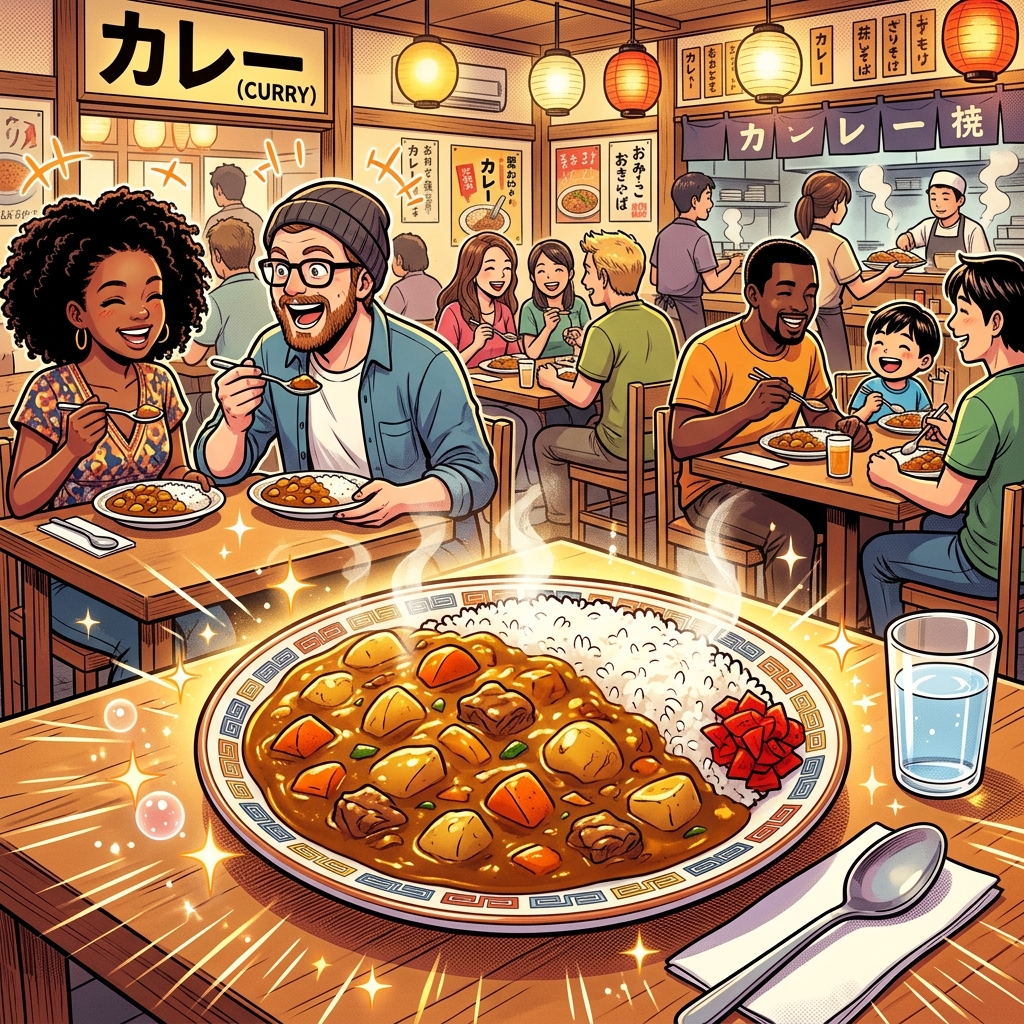
When you think of Japanese cuisine, sushi and ramen immediately come to mind. But there’s another national dish that locals eat just as often, if not more: Japanese Curry (カレー). Unlike the fiery curries of India or the coconut-rich varieties of Thailand, Japanese curry has evolved into its own distinct category. It is thicker, sweeter, incredibly savory, and deeply comforting.
Brought to Japan in the late 19th century by the British Royal Navy, curry was quickly adapted to local tastes. Today, it has splintered into various unique regional styles and highly specialized sub-genres. If you’re traveling to Japan in 2026, exploring the curry scene is an absolute must.
The Classic: A Nostalgic Comfort Food
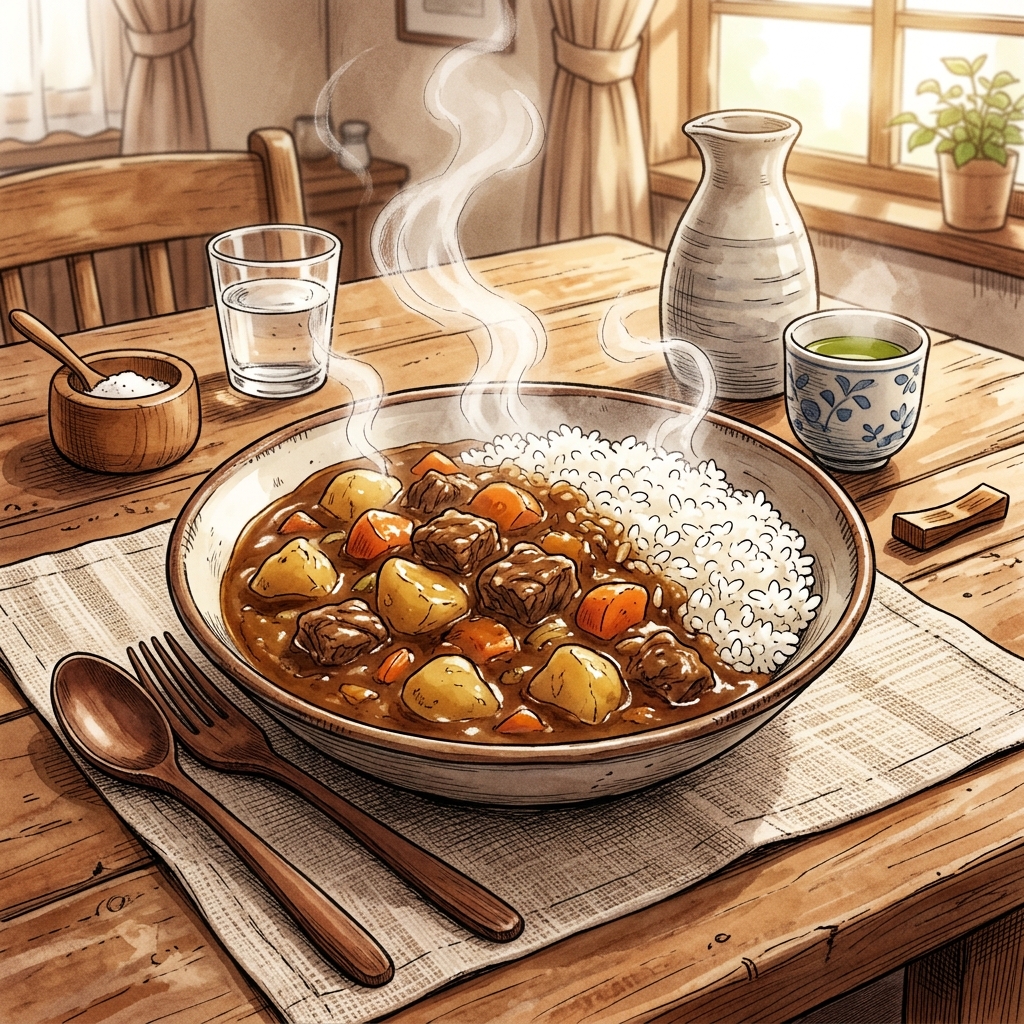
The foundation of Japanese curry is the “classic” style. Characterized by a thick, mild, brown roux made from curry powder, flour, and oil, it usually contains hearty chunks of potatoes, carrots, onions, and meat (often beef, pork, or chicken). It is ladled over short-grain Japanese rice and garnished with fukujinzuke (sweet pickled radish). You’ll find this style in traditional diners (shokudo) and cooked in millions of homes across the country. It is the ultimate nostalgic comfort food.
The Customization King: CoCo Ichibanya
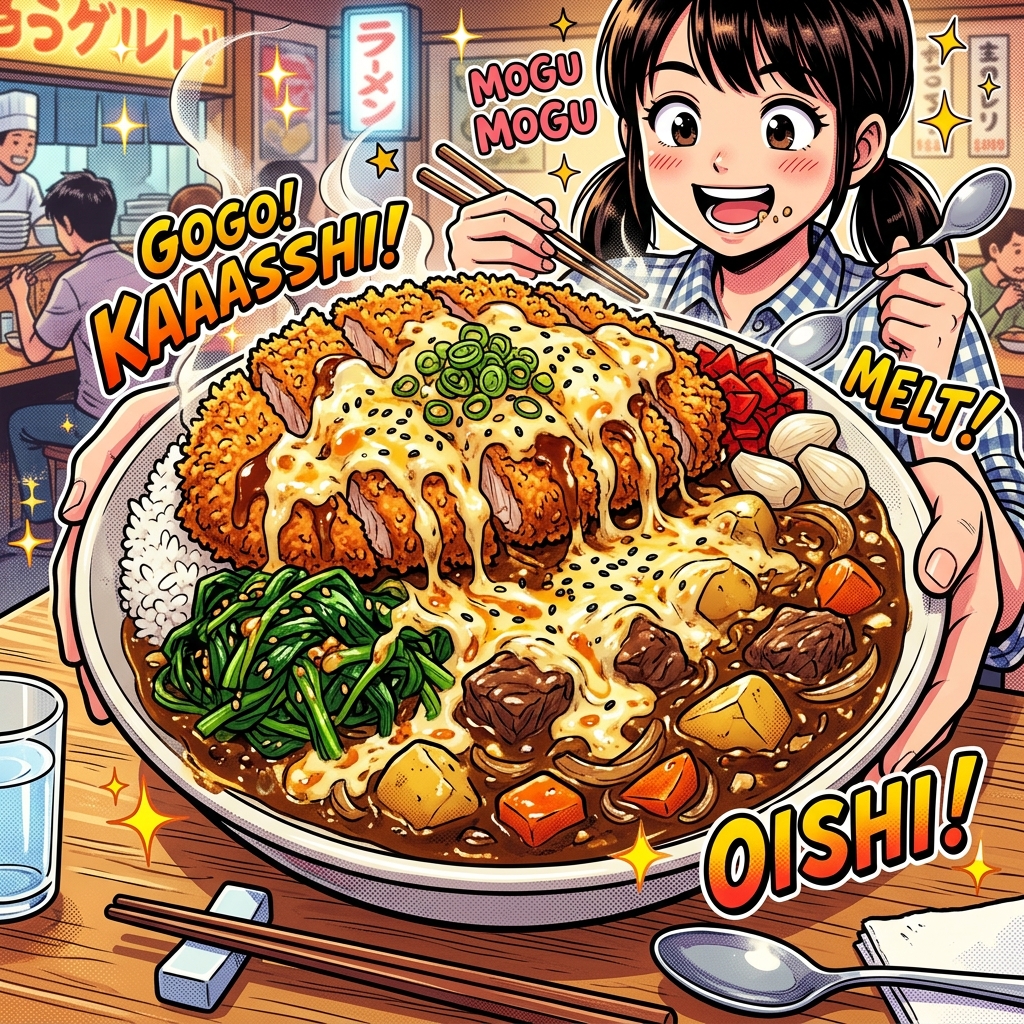
If you want to experience the modern, fast-food evolution of Japanese curry, you must visit CoCo Ichibanya (affectionately known as “CoCo Ichi”). This ubiquitous chain is the undisputed king of curry customization.
At CoCo Ichi, you are the architect of your meal. You choose the base sauce (pork, beef, or vegetarian), the exact portion of rice (in grams), the spice level (from mild to sweat-inducing Level 10 or higher), and a dizzying array of toppings. From crispy tonkatsu (pork cutlet) and fried cheese to spinach and natto, the combinations are virtually endless.
The Dark and Rich: Kanazawa Curry
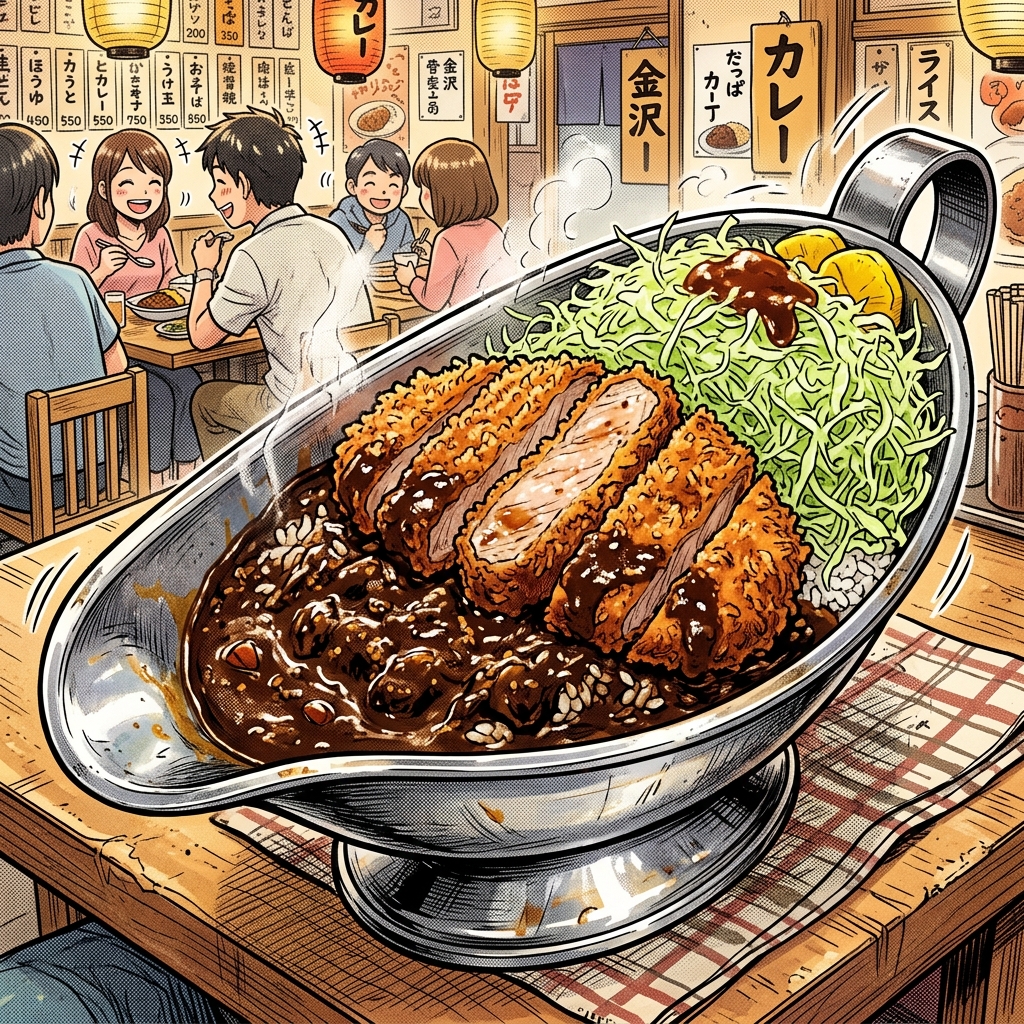
Originating from Ishikawa Prefecture, Kanazawa Curry is a completely different beast. Chains like Go! Go! Curry have popularized this style nationwide. It is instantly recognizable by its appearance: a thick, nearly black, intensely rich and caramelized curry sauce that almost completely covers the rice.
It is always served in a distinctive stainless steel, boat-shaped dish. A crispy pork cutlet is placed on top, generously drizzled with a dark, tangy tonkatsu sauce. A side of shredded cabbage is mandatory, and you eat the entire dish with a spork. It is heavy, indulgent, and incredibly satisfying.
Hokkaido’s Warming Masterpiece: Soup Curry
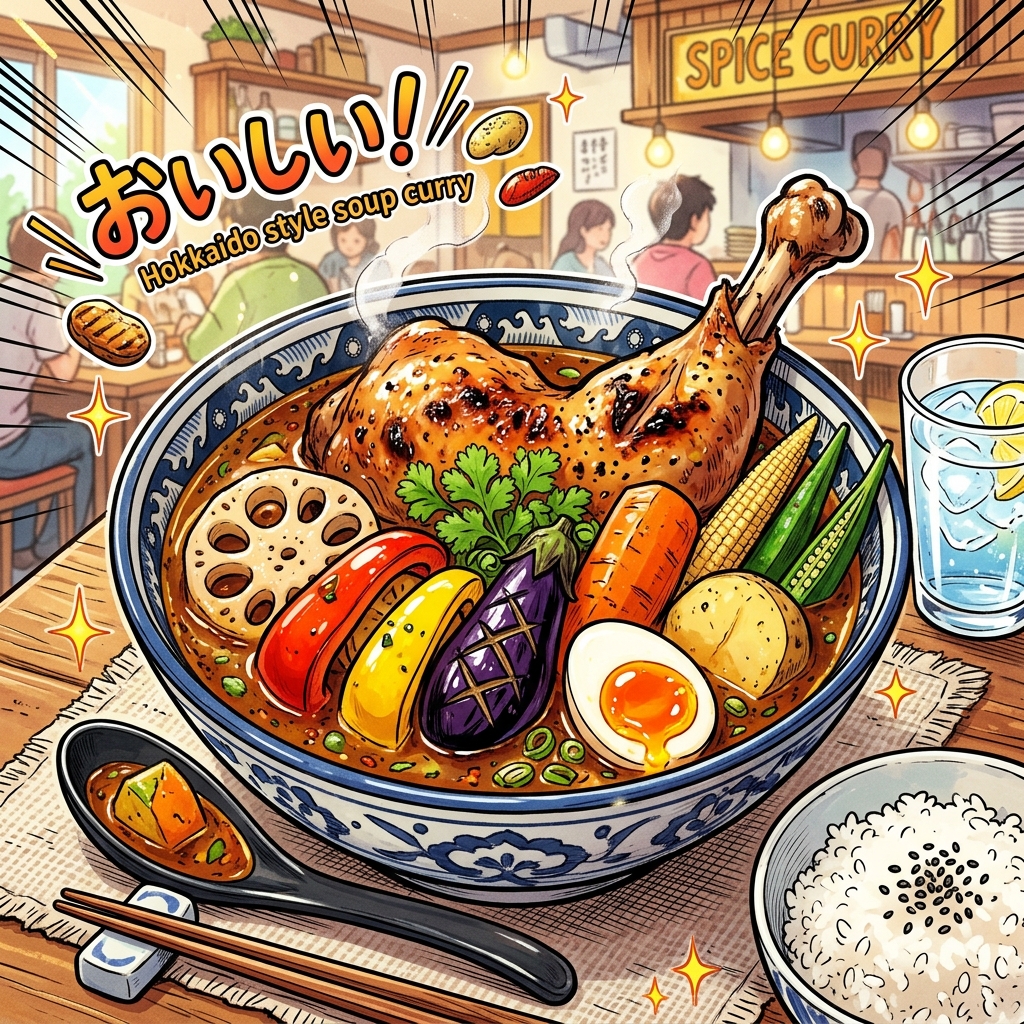
Head north to Hokkaido, Japan’s coldest region, and you’ll find a curry designed to warm you from the inside out: Soup Curry. Unlike the thick roux of the mainland, soup curry features a light, highly spiced, and complex broth.
What makes it truly special are the ingredients. The bowl is typically overflowing with large, vividly colored, flash-fried vegetables—lotus root, bell peppers, eggplant, and pumpkin—alongside a massive, fall-off-the-bone chicken leg. The rice is served on a separate plate, and you dip each spoonful into the fragrant broth. It’s a lighter, yet intensely flavorful experience.
Osaka’s Culinary Rebellion: Spice Curry
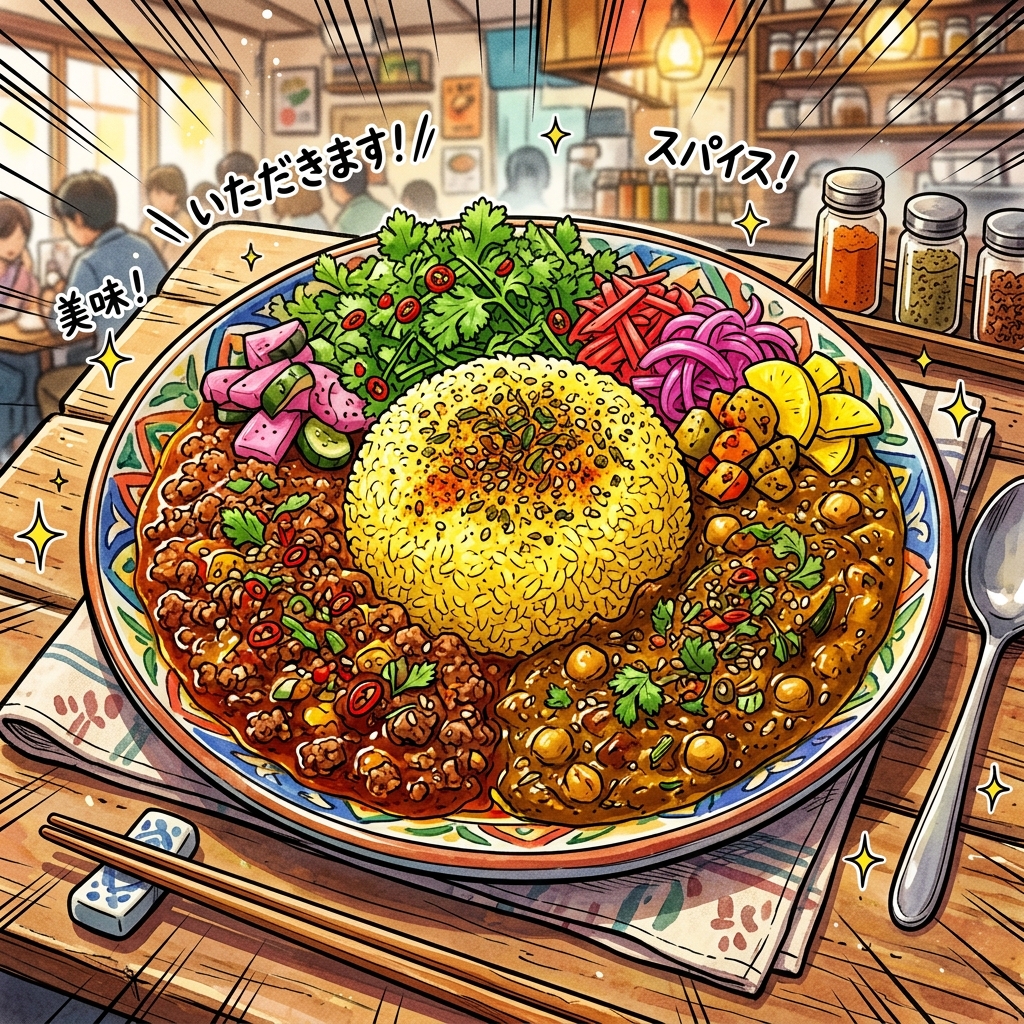
The most recent and exciting evolution is Spice Curry, a booming trend that originated in Osaka. Rejecting the pre-made roux blocks of classic curry, artisanal chefs in Osaka started blending their own complex, fiery spice mixes from scratch.
Spice curry is characterized by its vibrant presentation and lack of rules. A typical plate features a mound of yellow turmeric rice surrounded by two or three different curries (like a tangy tomato chicken and a rich keema). The plate is then scattered with fresh cilantro, vibrant pickled vegetables (achar), and sometimes a soft-boiled egg. You are meant to mix it all together, creating a chaotic but harmonious explosion of flavors in every bite.
Practical Hack: Ordering Like a Local
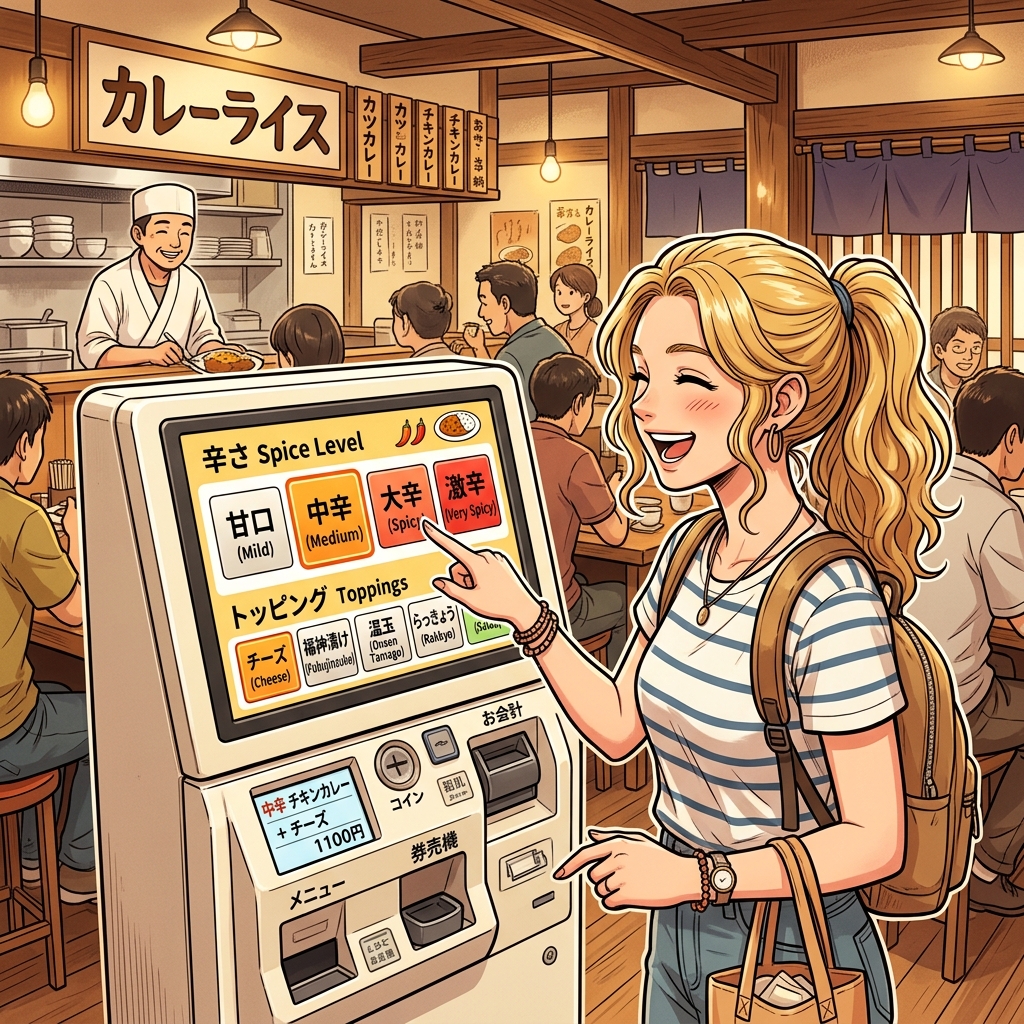
Navigating casual curry shops in Japan is easy once you know the system. Many places, especially chains like Matsuya or local Kanazawa curry shops, use ticket vending machines (kenbaiki) at the entrance. In 2026, almost all of these have a language toggle button (usually in the top right corner) for English. Simply select your dish, choose your spice level and toppings on the touchscreen, pay (cash or IC card like Suica/Pasmo), and hand the printed ticket to the staff. It’s fast, efficient, and requires no Japanese speaking skills!