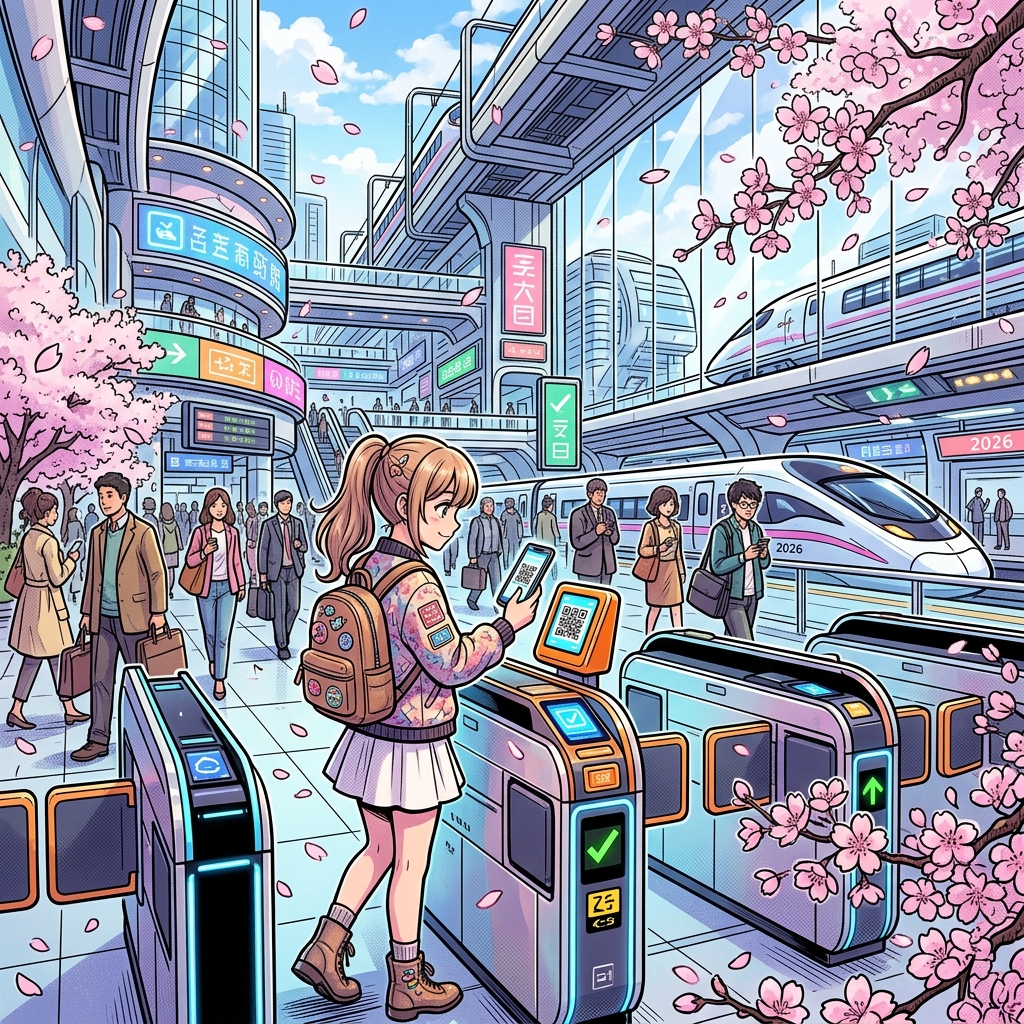
- Japan in 2026: A New Era of Travel Rules
- Goodbye Magnetic Tickets, Hello QR Codes
- The Power Bank Crackdown: New Airplane Rules (April 24, 2026)
- Dual Pricing Is Officially Here
- Departure Tax Triples in July 2026
- Tax-Free Shopping Gets a Major Overhaul (November 2026)
- Bonus: Other Changes Worth Knowing
- Your 2026 Japan Travel Checklist
- Final Thoughts: Japan Is Evolving — and That’s a Good Thing
Japan in 2026: A New Era of Travel Rules
If you last visited Japan before 2026, get ready — a lot has changed. From the way you ride trains to how you carry your phone charger on flights, Japan has rolled out a wave of new rules and regulations that directly affect international visitors.
Some of these changes are small conveniences. Others come with serious fines if you don’t follow them. Either way, being prepared means the difference between a smooth trip and an expensive headache.
In this guide, we break down every major travel rule change happening in Japan in 2026 — with practical tips so you can navigate them like a seasoned traveler.
Goodbye Magnetic Tickets, Hello QR Codes
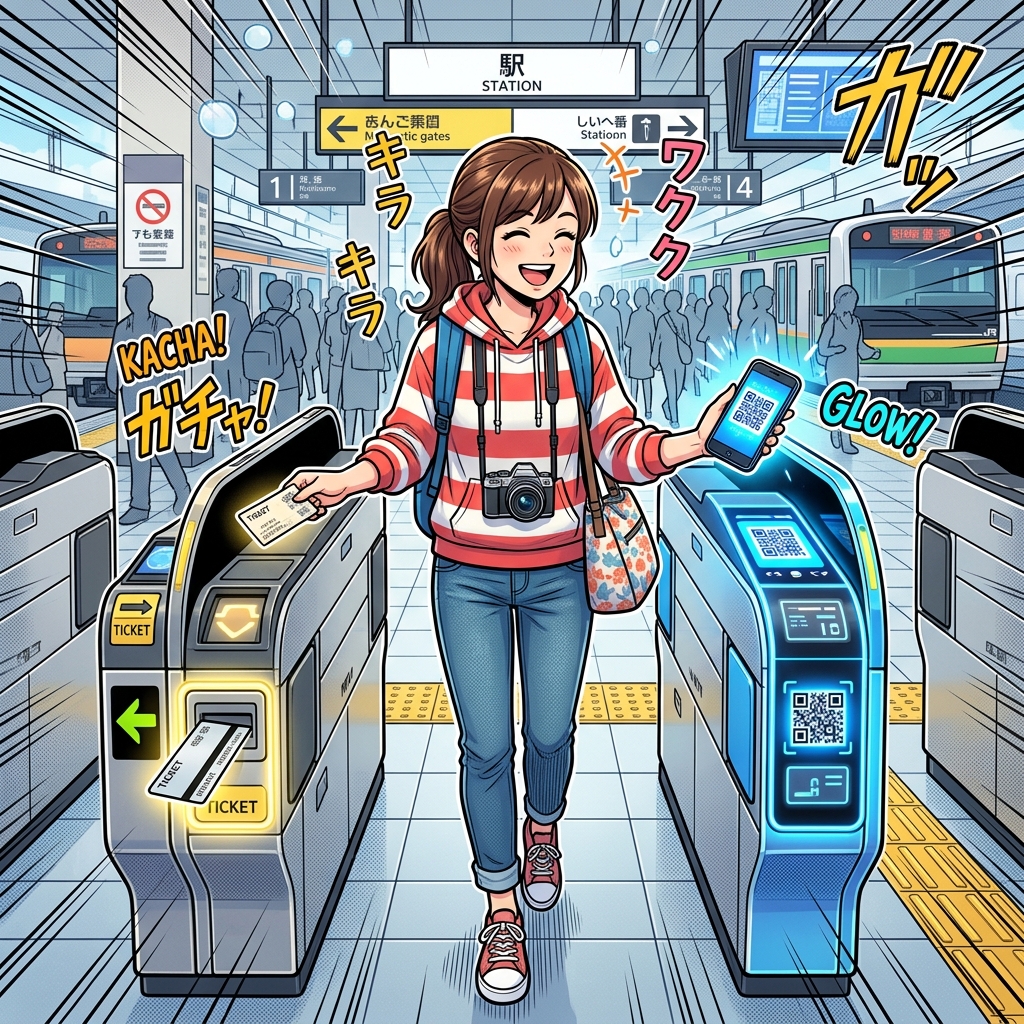
One of the biggest changes you’ll notice right away: Japan’s iconic magnetic paper train tickets are being phased out across the Greater Tokyo area.
Major railway companies — including JR East, Seibu, Tobu, Keisei, Keikyu, and Tokyo Monorail — have started replacing the old magnetic-stripe tickets with QR code tickets. Instead of inserting a tiny card into the ticket gate slot, you now scan a QR code printed on a paper ticket.
Why the change?
Magnetic ticket gates are mechanical — they jam, they break, and they’re expensive to maintain. QR codes eliminate all of that. Plus, the old magnetic tickets contained metal strips that were difficult to recycle. The new paper QR tickets are environmentally friendlier.
What this means for tourists
If you’re buying a single-ride paper ticket at the station, look for the QR code scanner on the ticket gate — it’s usually a flat glass panel on top, not the traditional slot. Don’t try to insert your ticket into the old slot, because on newer gates, there might not even be one.
That said, about 90‑95% of daily riders in Tokyo already use IC cards like Suica, PASMO, or ICOCA. If you set up a mobile Suica or PASMO on your iPhone or Apple Watch, you can tap through gates without worrying about any paper ticket at all. This is still the most convenient option.
For Shinkansen and long-distance express trains, traditional reserved-seat ticketing remains mostly unchanged for now. So your bullet train experience won’t be affected yet.
The Power Bank Crackdown: New Airplane Rules (April 24, 2026)
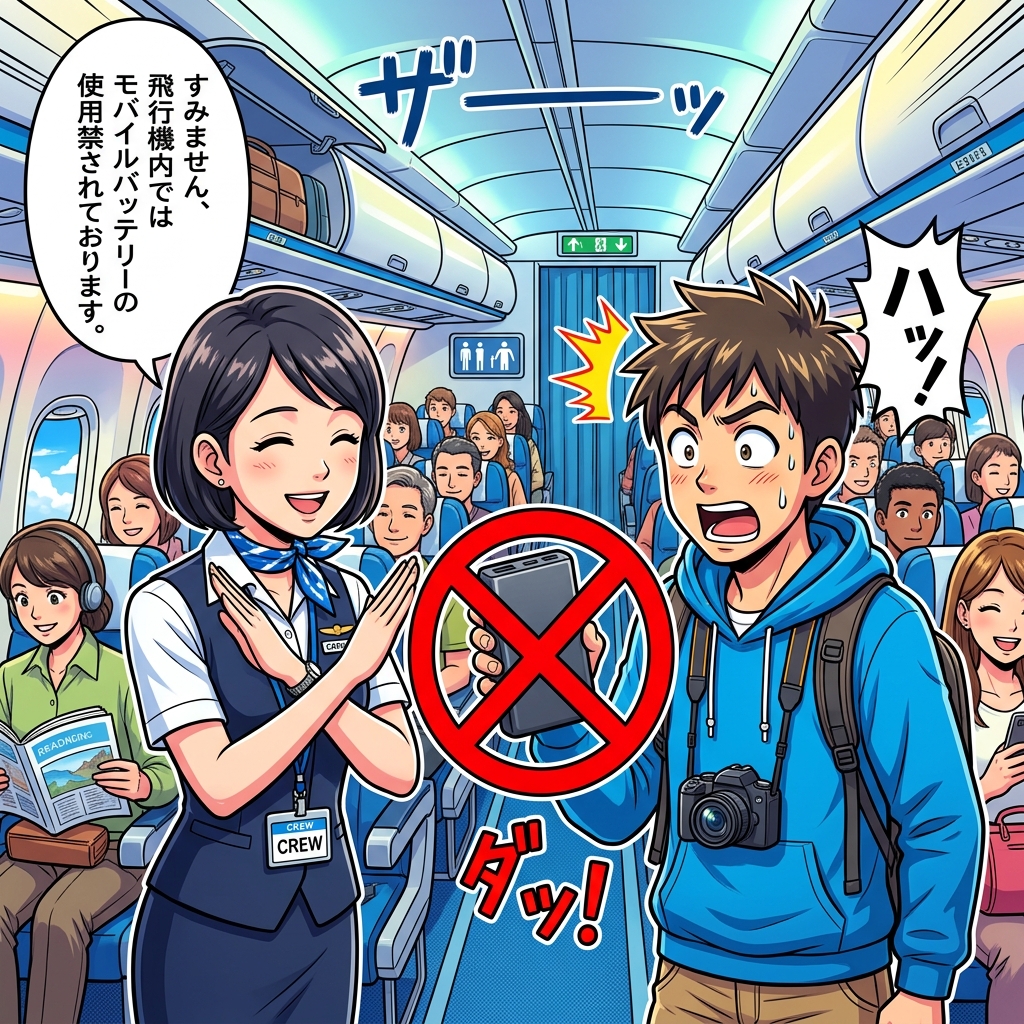
Starting April 24, 2026, Japan has tightened regulations on portable chargers (power banks) on all commercial flights. This is a response to lithium-ion battery fire incidents that have occurred worldwide.
Here are the new rules
You may carry a maximum of 2 power banks per person. Each power bank must be 160 watt-hours (Wh) or less. Using a power bank to charge your phone or tablet during the flight is now prohibited. Charging the power bank itself using the airplane’s USB ports or outlets is also banned.
What happens if you break these rules?
The penalties are surprisingly severe: fines of up to 1 million yen (roughly $6,600 USD), and in extreme cases, potential imprisonment. Airport security is actively enforcing these new restrictions.
Practical tips for travelers
Check the watt-hour rating printed on the back of your power bank before you fly. Most standard 10,000 mAh or 20,000 mAh units for smartphones are well under 160 Wh, so you should be fine. But if you carry multiple high-capacity power banks for cameras and laptops, you may need to leave extras at home.
Power banks must always go in your carry-on luggage — never in checked bags. Cover the ports with tape or a protective pouch to prevent short circuits. And resist the urge to plug in your charger mid-flight, even if you see an available USB port on the seat.
Dual Pricing Is Officially Here
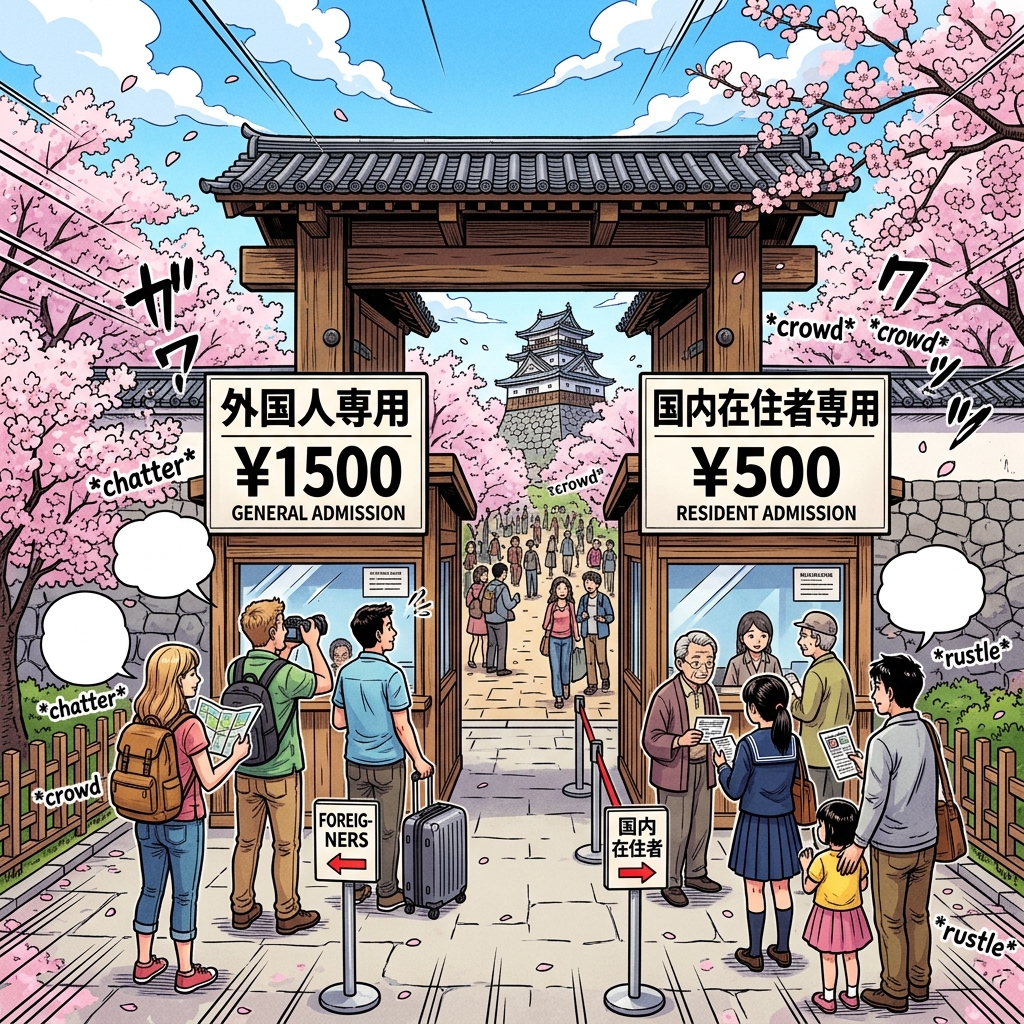
This is the change that has sparked the most debate: Japan is rolling out a two-tier pricing system for tourists and locals at cultural sites, museums, and some transportation systems.
In March 2026, the Japan Tourism Agency launched an expert panel to create unified national guidelines for dual pricing. The goal is to fund infrastructure maintenance, multilingual services, and crowd management — all of which have become increasingly expensive as visitor numbers soar.
Where you’ll see higher prices
Historical sites have led the charge. Himeji Castle, one of Japan’s most iconic landmarks, raised its international visitor entrance fee to ¥2,500, while local residents pay a significantly lower rate. Odawara Castle and Kokura Castle have followed suit. The Agency for Cultural Affairs is also targeting 12 national museums — including those in Tokyo, Kyoto, and Nara — for potential tourist-tiered pricing.
In Kyoto, there are plans for resident-priority or tiered bus fare systems to manage the severe congestion in the city center. If you’ve visited Kyoto recently, you know the bus situation has been genuinely difficult.
How to handle this as a tourist
Budget for slightly higher entry fees at major attractions. The price increases are generally modest (a few hundred to a couple thousand yen), and many travelers consider the improved maintenance and services a fair trade. Some sites still offer discounts for advance online booking or off-peak visits, so check official websites before you go.
Departure Tax Triples in July 2026
Starting July 1, 2026, the International Tourist Tax you pay when leaving Japan will increase from ¥1,000 to ¥3,000 per person. This tax is automatically included in your airline ticket or ferry fare, so you won’t need to pay it separately at the airport.
The tripled revenue is earmarked for sustainable tourism infrastructure, environmental conservation in high-traffic areas, and crowd management systems. The government’s broader plan aims to expand overtourism countermeasures from 47 regions to 100 by 2030.
What this means for your budget
An extra ¥2,000 (about $13 USD) per departure is unlikely to make or break your trip, but it’s worth knowing about. If you’re doing multiple legs — say, flying from Tokyo to Okinawa and then back to your home country — the international departure tax applies only when you leave Japan entirely, not on domestic flights.
Tax-Free Shopping Gets a Major Overhaul (November 2026)
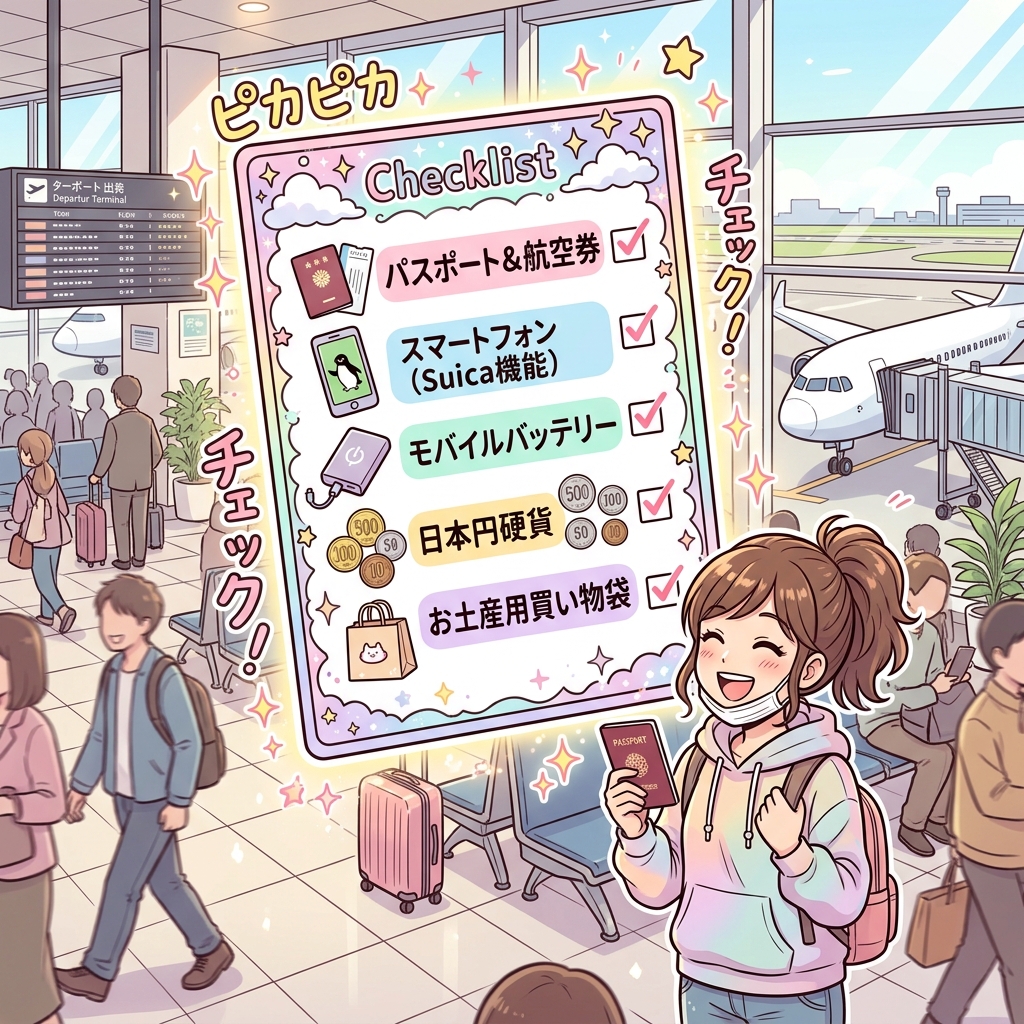
Perhaps the biggest change for shopping-focused travelers: the current instant tax-free system is being completely restructured starting November 1, 2026.
How it works now (before November 2026)
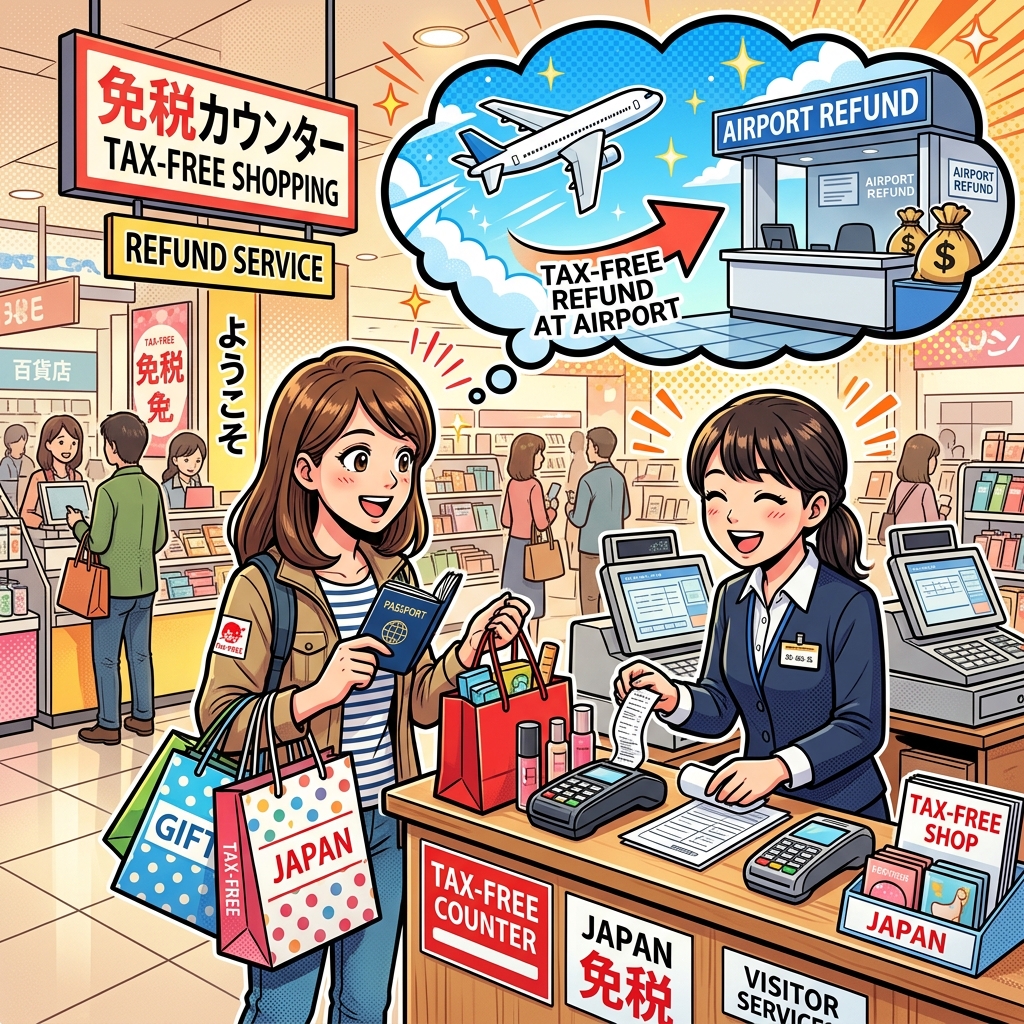
Currently, when you buy qualifying items at tax-free shops, the 10% consumption tax is deducted at the point of purchase. You walk out of the store paying only the pre-tax price, and you show your passport and sealed goods at customs when you leave Japan.
How it will work after November 2026
Under the new system, you will pay the full price including tax at the store. To get your refund, you will need to go through a refund process at the airport before departing. This means you’ll need to budget for the full tax-inclusive amount upfront and claim it back later.
The change was designed to address widespread abuse of the system, where some purchasers resold tax-free goods domestically instead of taking them out of the country.
Practical advice
If you’re planning a big shopping trip, consider timing it before November 2026 to take advantage of the current instant-deduction system. After November, make sure you arrive at the airport early enough to go through the refund process before your flight. Keep all receipts organized and easily accessible.
Bonus: Other Changes Worth Knowing
Beyond the big five changes above, here are a few more things to keep on your radar.
Credit card tap-to-pay at train gates is expanding. Some railway operators now let you pass through ticket gates by tapping a contactless credit or debit card, no IC card needed. This is still rolling out, so don’t rely on it everywhere yet.
Shinkansen large luggage rules remain in effect. If your suitcase exceeds 160 cm in total dimensions (length + width + height), you must book a seat with a luggage reservation space. Failure to do so may result in a ¥1,000 surcharge.
Some izakayas in tourist areas have started applying a “multilingual service fee” when customers select an English-language digital menu. This is not widespread, but it’s worth noting. If in doubt, ask about any service charges before ordering.
Hotel taxes are increasing in several cities and prefectures, with rates varying by location and room price. Check prefecture-specific accommodation tax policies before booking.
Your 2026 Japan Travel Checklist
Here’s a quick summary to keep handy before your trip:
✅ Set up mobile Suica or PASMO on your phone before arrival — it’s the easiest way to navigate trains.
✅ Check your power bank’s watt-hour rating — keep it under 160 Wh and limit yourself to 2 units.
✅ Never use a power bank to charge devices during a flight in Japan.
✅ Budget for higher entry fees at major cultural sites — dual pricing is now the norm.
✅ If flying out after July 1, expect ¥3,000 departure tax (included in your ticket).
✅ Plan big shopping trips before November if you want instant tax-free deductions.
✅ After November, arrive at the airport early for the new refund process.
✅ Reserve large luggage space on Shinkansen if your suitcase exceeds 160 cm total.
✅ Carry cash as backup — some smaller shops and festivals remain cash-only.
Final Thoughts: Japan Is Evolving — and That’s a Good Thing
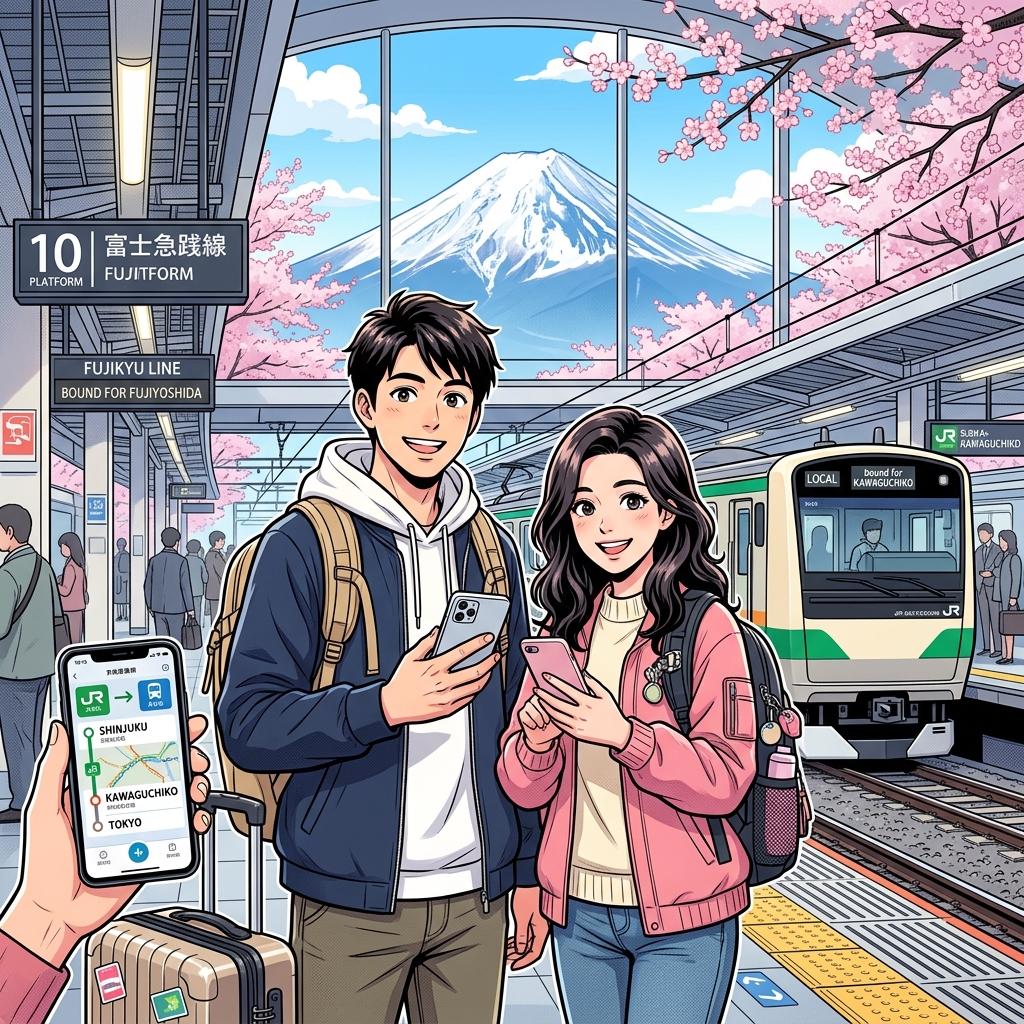
It might feel like a lot of new rules to absorb, but the big picture is positive. Japan is investing in better infrastructure, more sustainable tourism, and a smoother experience for both visitors and residents. The QR ticket transition makes things simpler. The power bank rules make flights safer. And while dual pricing is new to Japan, it’s common practice at major tourist destinations worldwide.
The best strategy? Know the rules before you go, pack smart, and stay flexible. Japan remains one of the most rewarding travel destinations on the planet — and a little preparation goes a long way.
For the latest updates, bookmark welcometojapan.jp — we’ll keep you posted as new changes roll out throughout 2026.