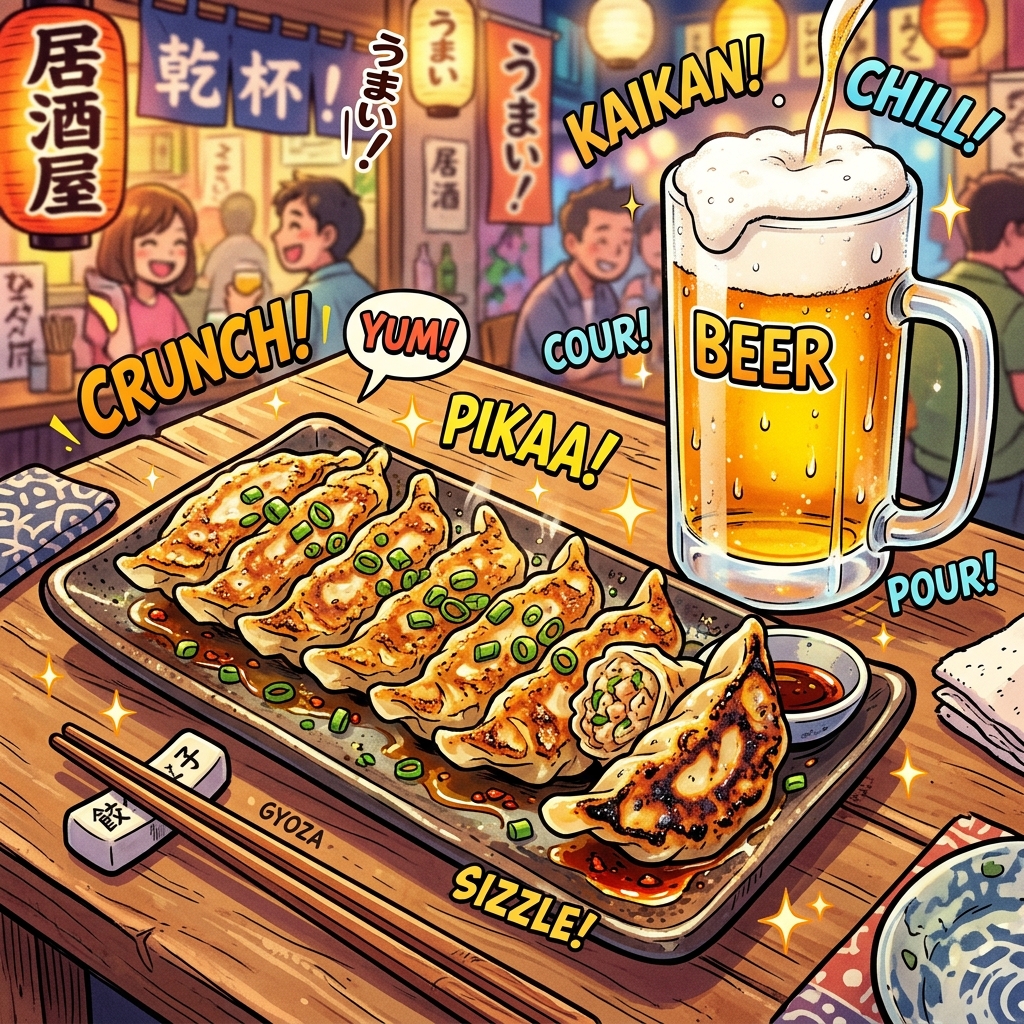
When you think of Japanese food, sushi and ramen immediately come to mind. But there is another comfort food that commands a massive cult following: Gyoza. While these pan-fried dumplings have their roots in China, Japan has spent the last 80 years reinventing them into something entirely unique. Today, Japanese gyoza is a crispy, garlicky, and juicy side dish that pairs perfectly with an ice-cold beer.
In this guide, we will explore the fascinating evolution of gyoza, the differences between Chinese and Japanese dumplings, how to make the perfect dipping sauce, and the best places to eat them in Tokyo—from legendary local spots to budget-friendly national chains.
The Evolution: Jiaozi vs. Gyoza
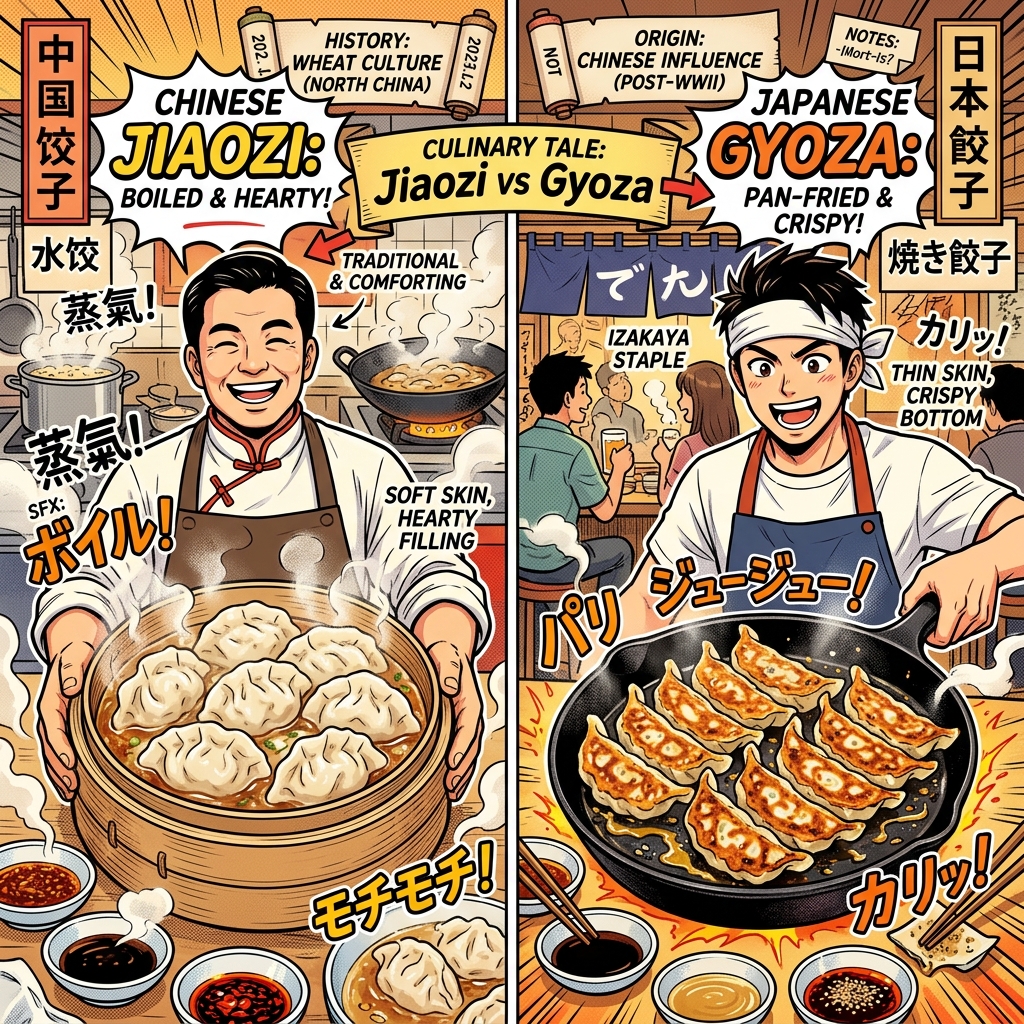
The ancestor of gyoza is the Chinese jiaozi, which dates back almost 2,000 years. Originally created as a medicinal food to help villagers survive harsh winters, Chinese jiaozi are typically boiled (shuijiao) or steamed. They have thicker, chewier wrappers and are considered a hearty main meal, especially during the Lunar New Year.
So, how did it become Japanese? After World War II, Japanese soldiers returning from Manchuria brought the recipe back home. However, ingredients were scarce. To make the most of what they had, they used thinner wrappers, added more garlic and ginger for flavor, and, most importantly, favored pan-frying them (yaki-gyoza). This cooking method created a beautiful contrast: a crispy, golden bottom and a steamed, juicy top.
Today, while Chinese jiaozi is a main dish, Japanese gyoza is almost exclusively enjoyed as a side dish—perfectly accompanying a bowl of ramen or a plate of fried rice.
Tourist Hack: The Golden Ratio for Dipping Sauce

When you order gyoza in Japan, they usually arrive without sauce. You are expected to mix your own at the table using the condiments provided. Here is the local secret to the perfect dipping sauce:
- The Golden Ratio: Mix 50% Soy Sauce (Shoyu) and 50% Rice Vinegar (Su).
- The Kick: Add a few drops of Chili Oil (Rayu). If you love spice, look for the jar with chili flakes settled at the bottom!
- Expert Tip: Try eating your first dumpling with only vinegar and a dash of black pepper. It cuts through the rich pork fat and allows you to taste the true flavor of the filling!
Where to Eat Gyoza in Tokyo: The Ultimate Guide
Whether you want a historic culinary experience or a quick, budget-friendly meal, Tokyo has you covered.
1. Kamata: The Birthplace of “Winged” Gyoza
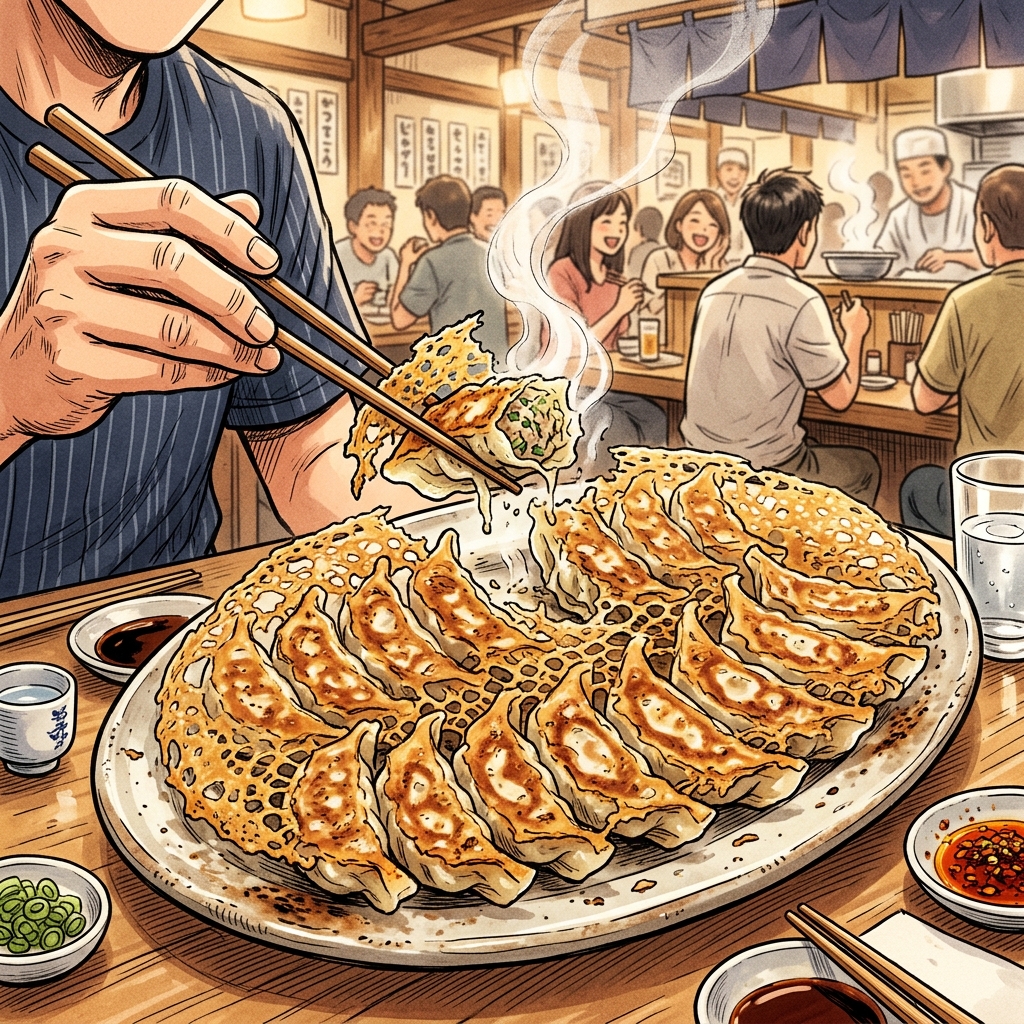
If you are a true foodie, you must visit Kamata (a neighborhood near Haneda Airport). It is the holy land of hane-tsuki (winged) gyoza. When these dumplings are pan-fried, a slurry of flour and water is added, creating a delicate, crispy “wing” or crust that connects all the dumplings in the pan. Nihao (你好) and Huan-Ying (歓迎) are the two legendary restaurants where this style was born. Biting through the crispy wing into the juicy filling is pure heaven.
2. Gyoza no Ohsho (餃子の王将): The King of Chains
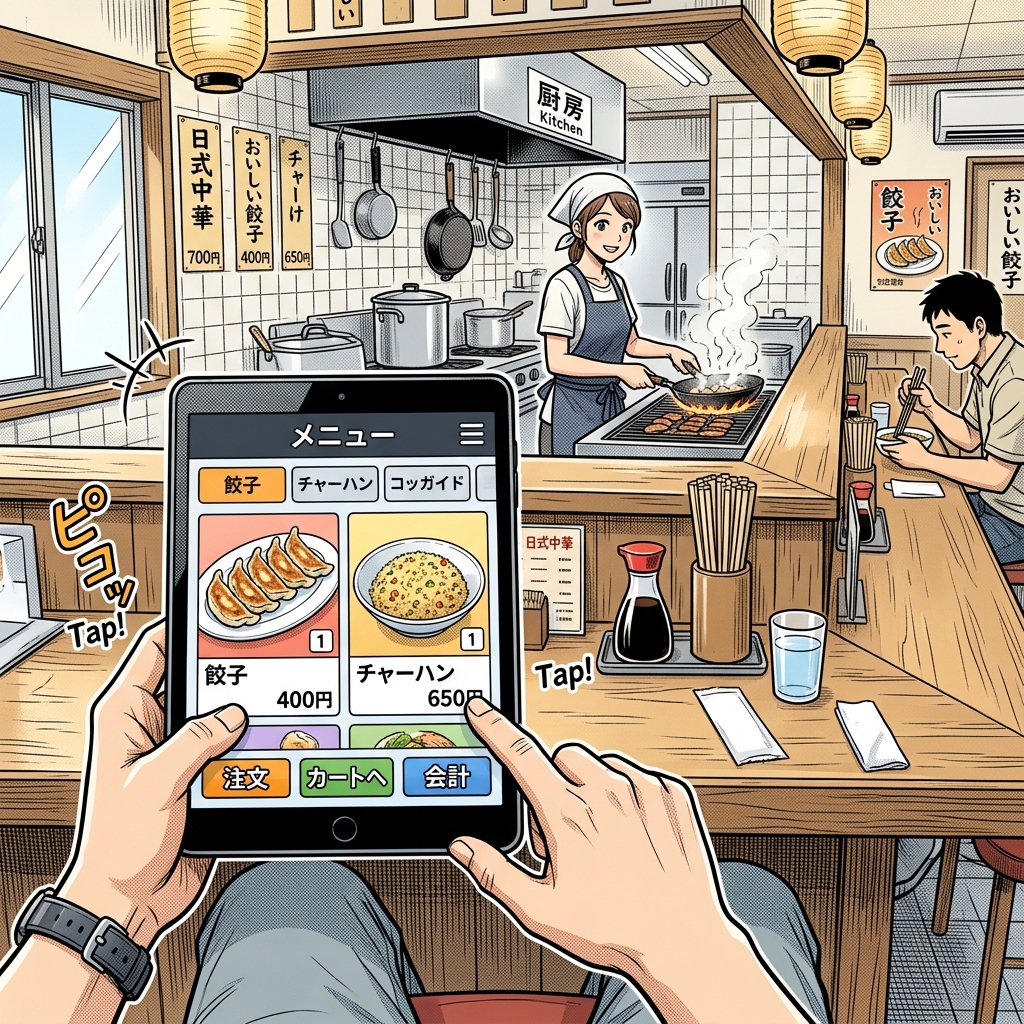
You cannot talk about gyoza without mentioning “The King.” With hundreds of locations nationwide, Gyoza no Ohsho is a beloved institution. They are famous for their incredibly affordable, freshly wrapped dumplings. Many locations now feature multi-lingual touch panels, making ordering a breeze for tourists. Try their “Just-Sized Menu,” which offers mini portions of fried rice and stir-fries, so you can build your own perfect combo meal.
3. Hidakaya (日高屋): The Salaryman’s Sanctuary
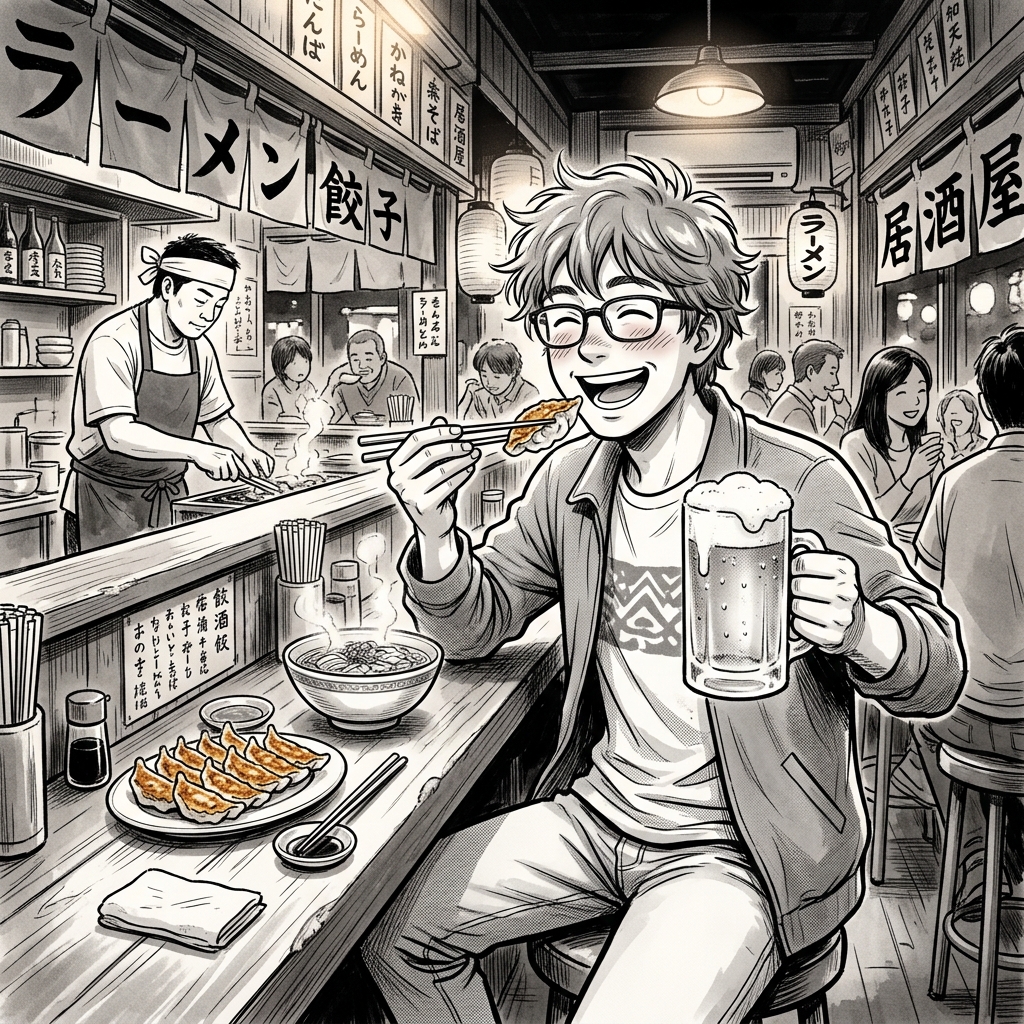
Found near almost every major train station in Tokyo, Hidakaya is the ultimate casual Japanese-Chinese chain. It is fast, insanely cheap, and stays open late. After a long day of sightseeing, sitting at the counter with a plate of their crispy gyoza and a 300-yen draft beer is one of the most authentic, local experiences you can have in Japan.
2026 Trend: The Rise of “Neo Gyoza”
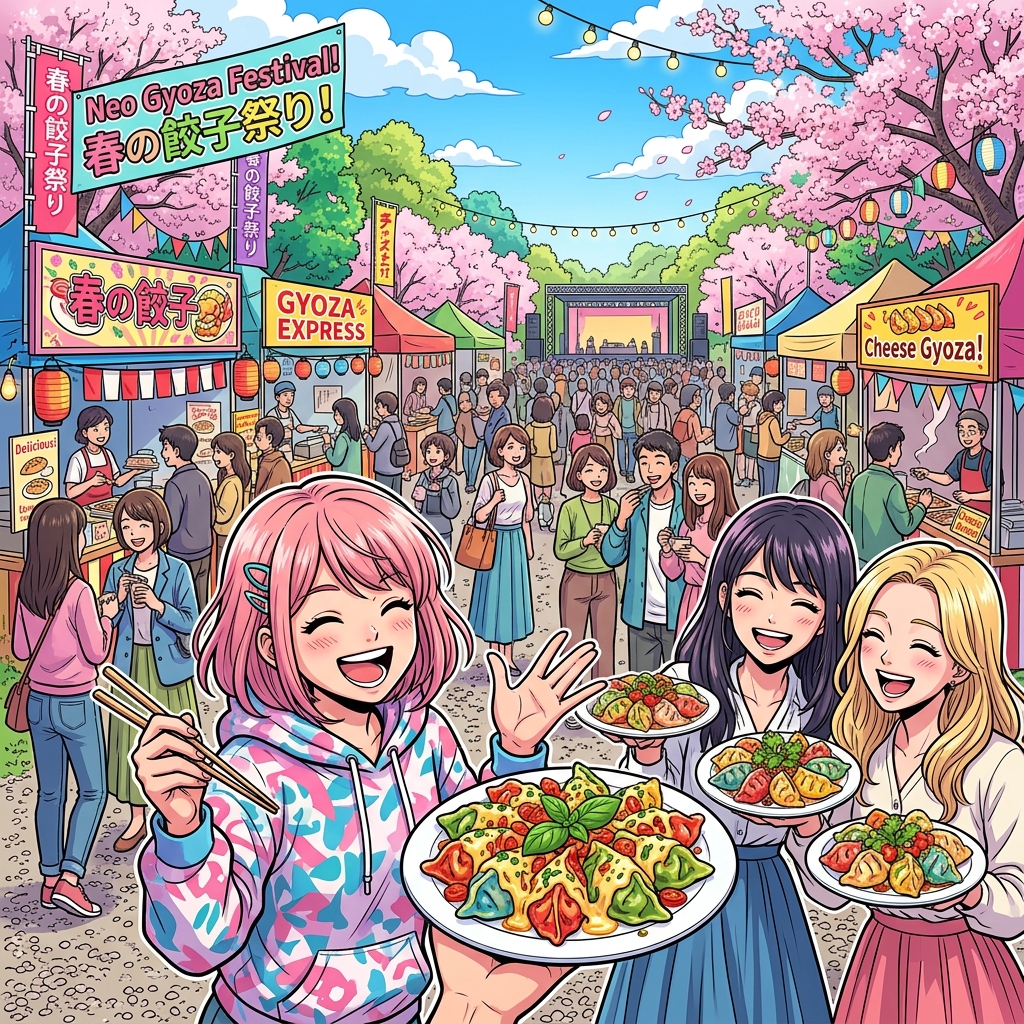
The gyoza scene isn’t standing still! In 2026, “Neo Gyoza” is the biggest culinary trend. Chefs are abandoning traditional pork and cabbage for creative fillings like wagyu beef, coriander, keema curry, and even cheese and tomato.
If you are visiting Japan during Golden Week (late April to early May 2026), you must visit the Craft Gyoza Fes at Komazawa Olympic Park in Tokyo. This massive outdoor festival brings together over 30 vendors serving regional specialties and the latest Neo Gyoza creations. It is mostly cashless, so make sure your Suica card or Apple Pay is loaded and ready!
From its ancient medicinal roots in China to the bustling, neon-lit counters of Tokyo’s ramen shops, gyoza is a culinary journey you simply must taste. Grab your chopsticks and start mixing that sauce!