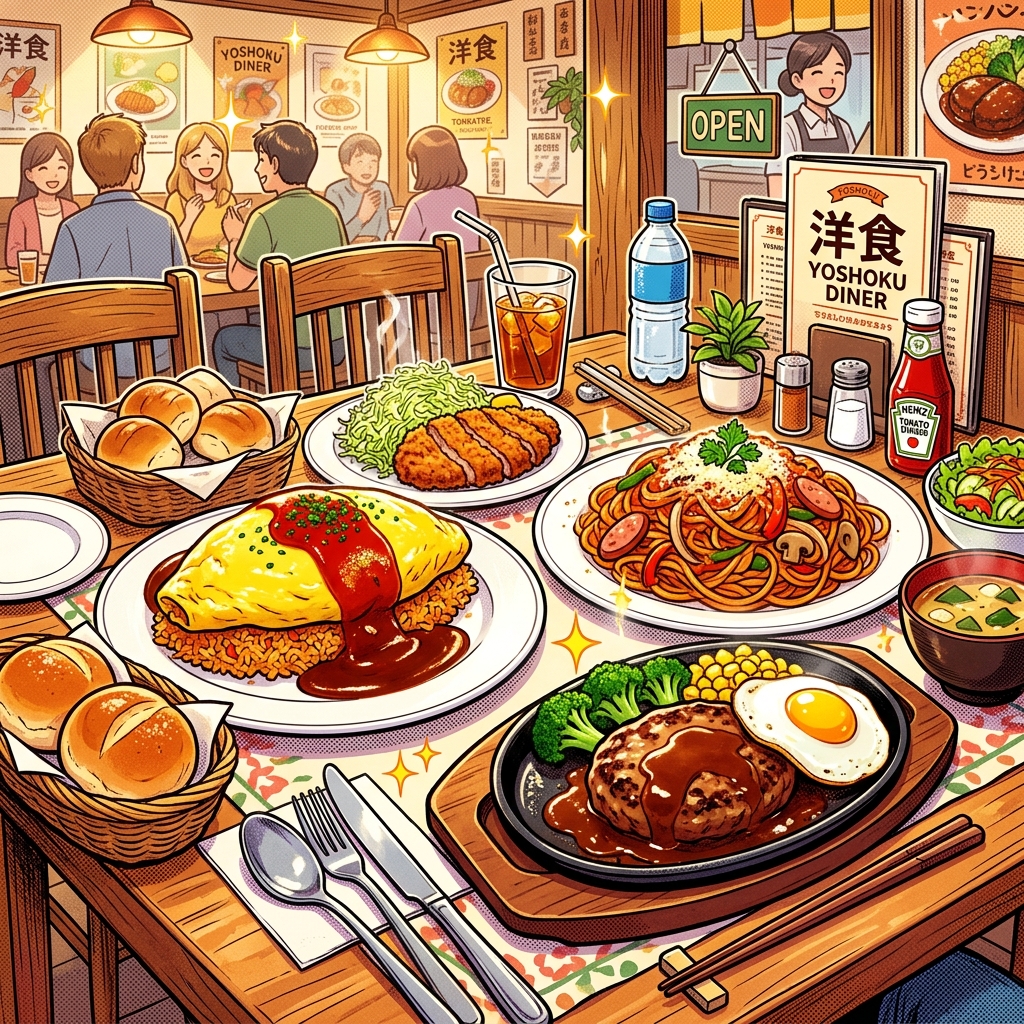
If you hear words like “Hamburg,” “Croquette,” or “Omelet,” you might think you know exactly what to expect. But in Japan, these familiar names have evolved into something entirely different—and utterly delicious. Welcome to the world of **Yoshoku** (洋食), Japan’s unique take on Western cuisine.
Yoshoku translates to “Western food,” but it is a distinctly Japanese culinary category. Born during the Meiji era (1868–1912) when Japan opened its doors to the world, local chefs creatively adapted Western recipes using Japanese ingredients, techniques, and the ultimate staple: white rice. Today, dishes like *Omurice* (omelet rice), *Napolitan* (ketchup-based spaghetti), and *Tonkatsu* (deep-fried pork cutlet) are beloved comfort foods.
Whether you are enjoying the pleasant spring weather or navigating the bustling Golden Week holidays, exploring Yoshoku is a must-do cultural experience. Here is how to enjoy Japan’s “fake” (but incredibly real) Western food through three unique local experiences: Retro Kissaten, Family Restaurants, and Spring Picnics.
🇯🇵 Yoshoku Mastery Quiz
Nostalgic Bites: Retro Kissaten & Tokyo Diners
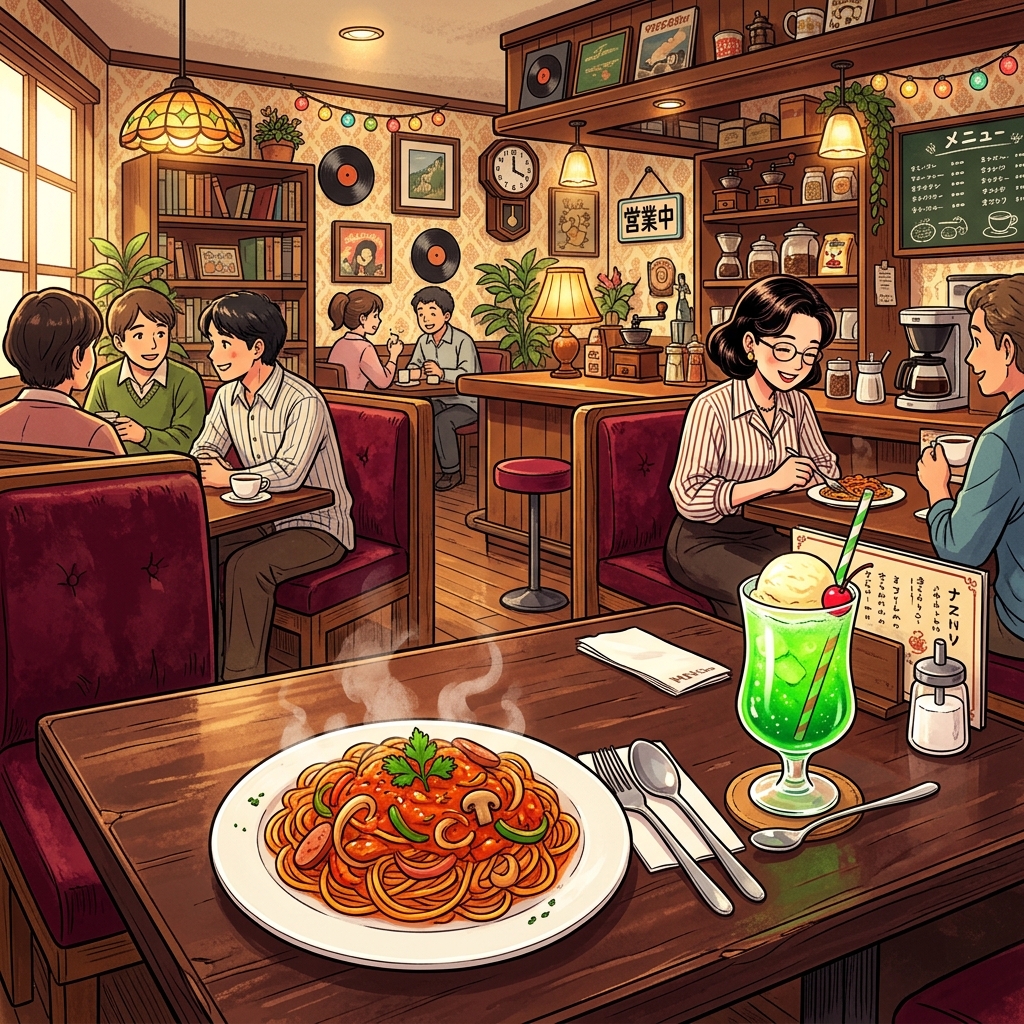
To truly appreciate the roots of Yoshoku, you must step into a *Kissaten* (純喫茶)—a traditional Japanese coffee shop with a nostalgic, mid-century vibe. These establishments are time capsules featuring velvet seats, warm amber lighting, and menus that haven’t changed in decades.
The star of the Kissaten menu is **Spaghetti Napolitan**. Don’t expect authentic Italian pasta here! This post-war creation features soft spaghetti stir-fried with onions, bell peppers, sausage, and a generous coating of sweet ketchup. Pair it with a vibrant, neon-green *Cream Soda* topped with vanilla ice cream for the ultimate retro Tokyo experience. Areas like Asakusa, Ueno, and Ginza are packed with historic diners offering these classics.
The “Famiresu” Culture: A Modern Yoshoku Haven
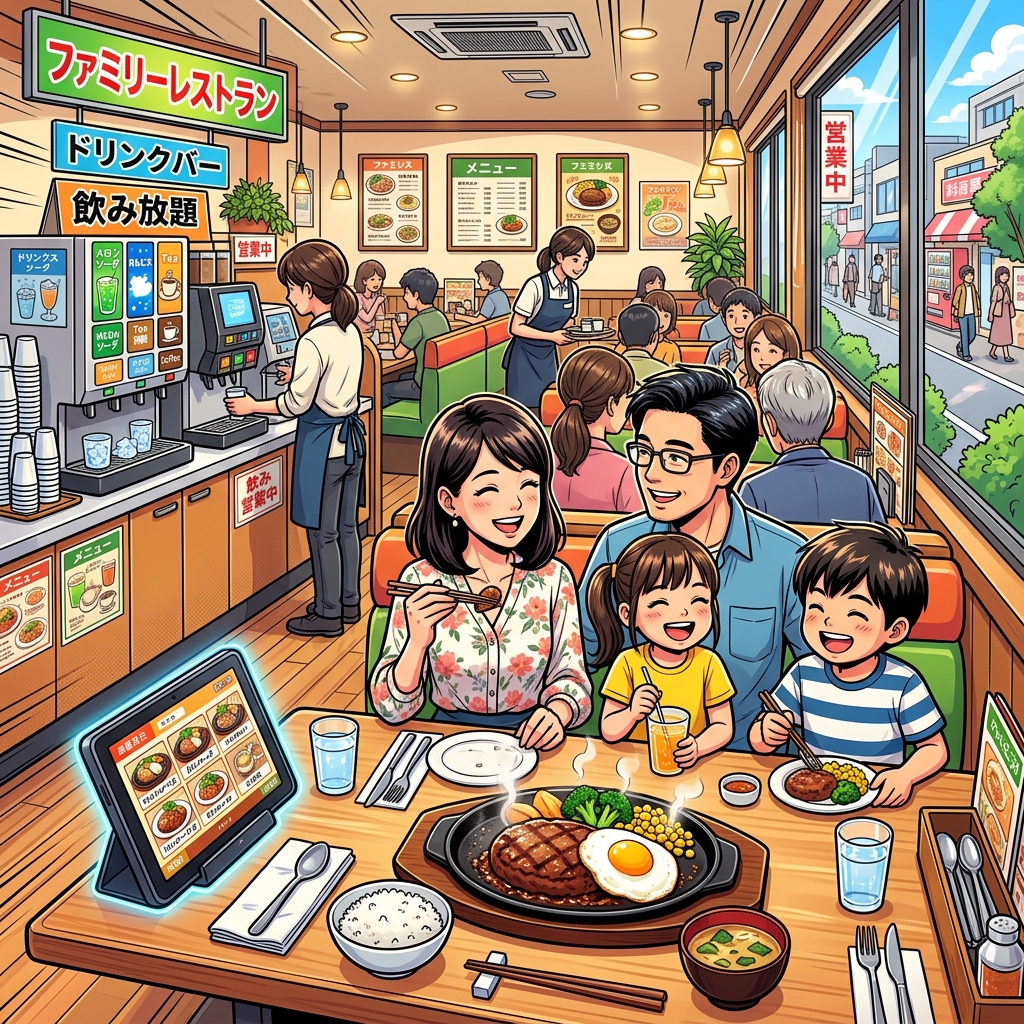
If the Kissaten represents the past, the *Famiresu* (ファミリーレストラン or Family Restaurant) represents the modern convenience of Yoshoku. Chains like Gusto, Saizeriya, and Royal Host are ubiquitous across Japan, offering extensive menus featuring high-quality Yoshoku at incredibly affordable prices.
Here, the undisputed king is the **Hambagu** (Hamburg steak). Unlike an American hamburger, this is a thick, juicy meat patty served sizzling on an iron plate, completely without buns, meant to be eaten with a side of rice and chopsticks. Another original invention you’ll find here is **Doria**, a gratin-like dish consisting of rice topped with a creamy white sauce, meat, and baked cheese.
Depachika Delights: Yoshoku for a Perfect Spring Picnic
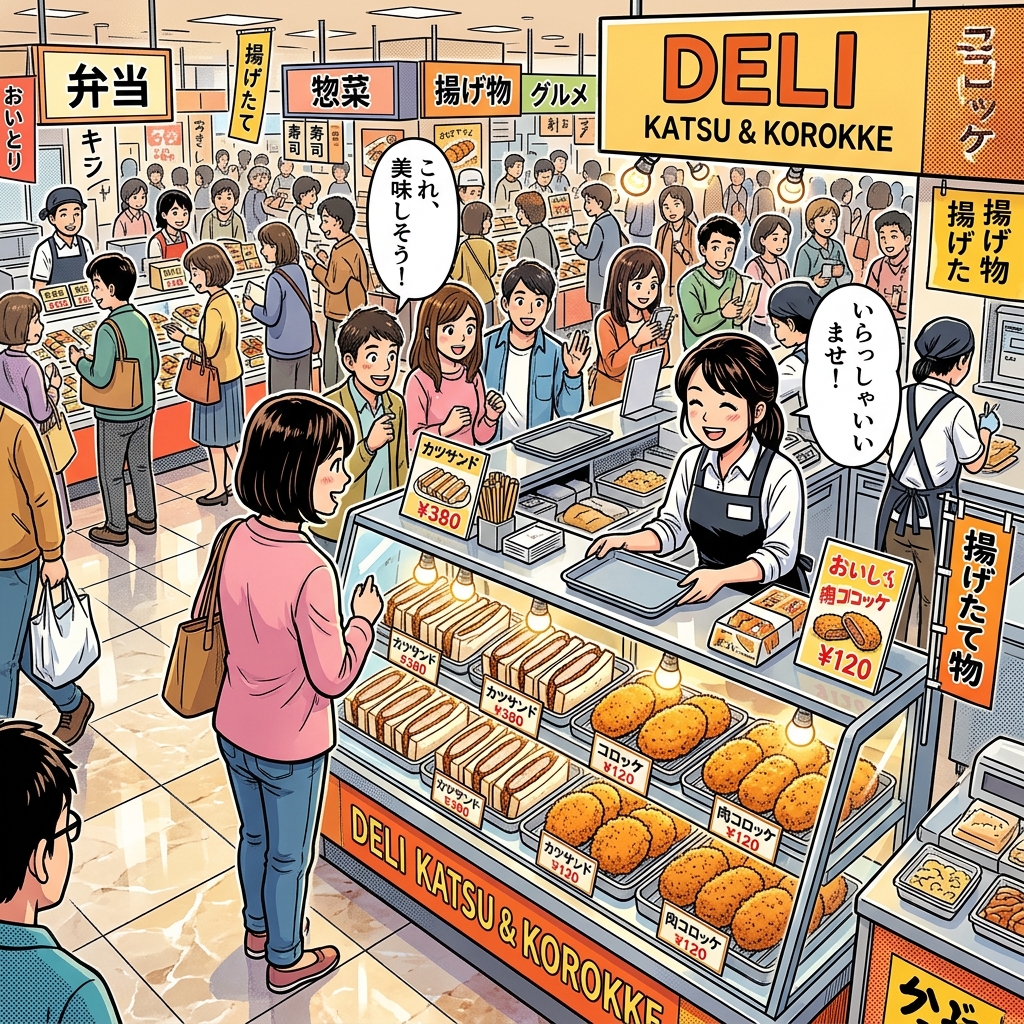
With the arrival of late spring and the mild, sunny weather of Golden Week, locals flock to parks. What do they eat? Often, it’s takeout Yoshoku from a *Depachika* (デパ地下)—the bustling food halls located in the basement of Japanese department stores.
Depachika are treasure troves of high-end deli items. Look for **Katsu Sando** (thick, juicy breaded pork cutlets sandwiched between soft, crustless white bread with tangy sauce) and **Korokke** (mashed potato and minced meat croquettes, breaded and deep-fried). They are easy to eat with your hands, making them the ultimate gourmet picnic food.
Essential Travel Hacks for Spring & Golden Week
Combining these experiences requires a bit of strategy, especially during Japan’s busy spring travel season and the Golden Week holidays (late April to early May).
1. Navigating the Kissaten Barrier
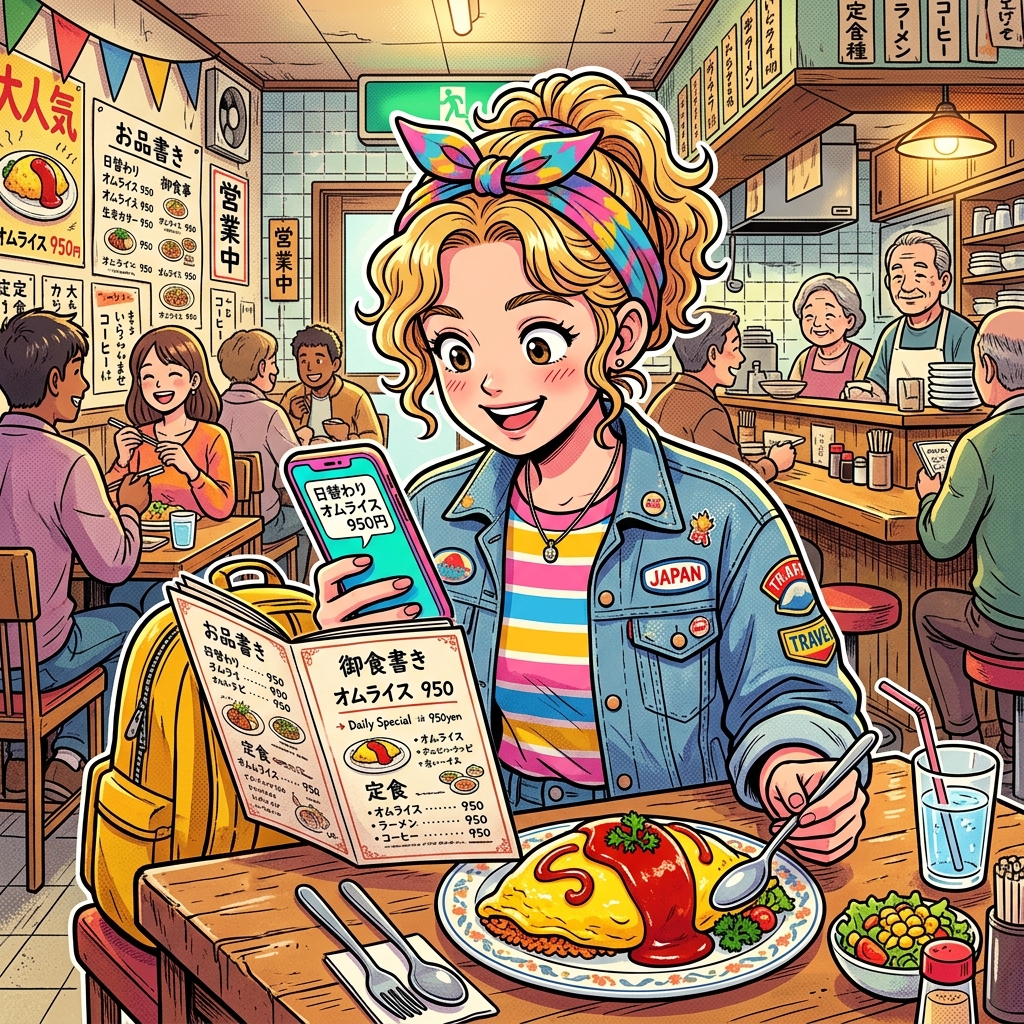
Many historic Kissaten do not have English menus. Download a photo translation app like Google Translate beforehand. If in doubt, just say, “Napolitan to Cream Soda, onegaishimasu” (Napolitan and Cream Soda, please). Also, to avoid massive Golden Week queues at famous Ginza spots, visit during “off-peak” hours (like 3:00 PM to 5:00 PM).
2. Mastering the Famiresu Tablet
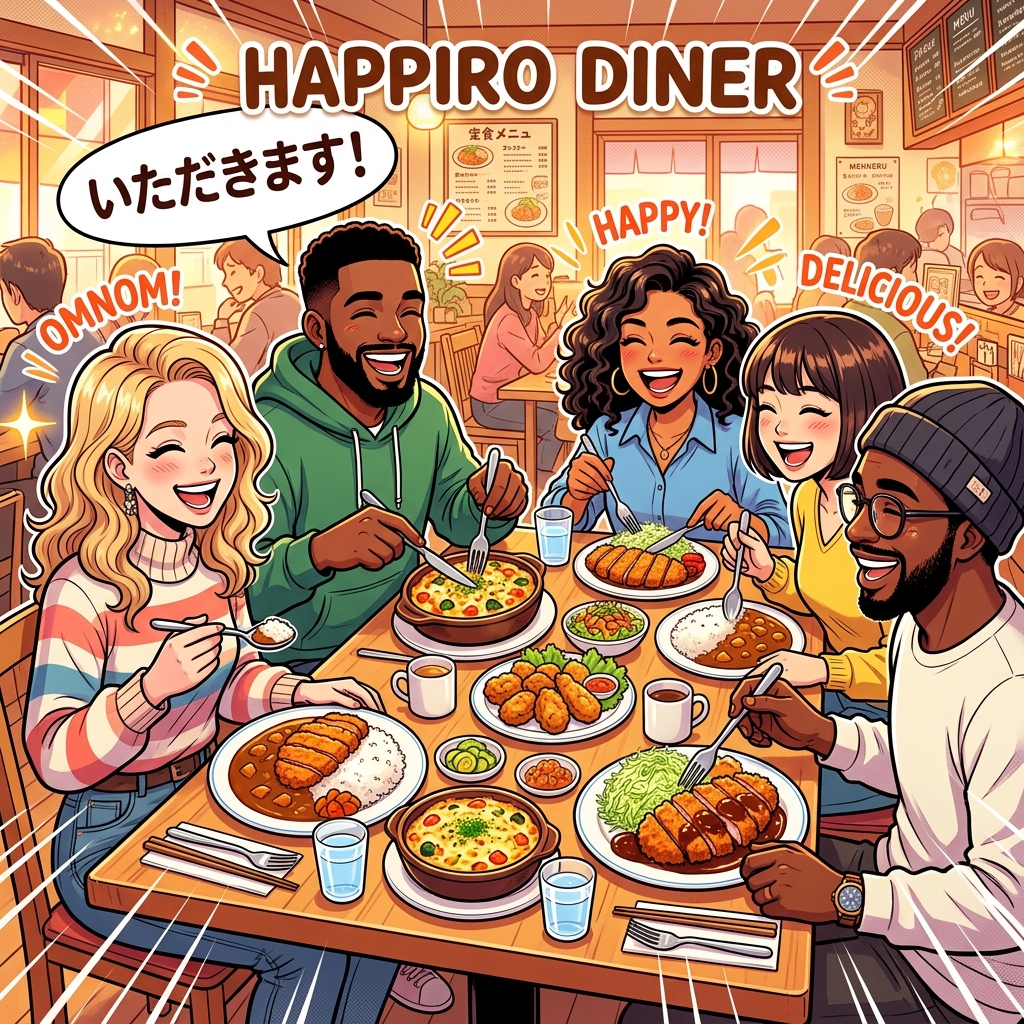
Almost all Family Restaurants now use digital tablets for ordering. The very first thing you should do is look for the “Language” (言語) button at the top right of the screen to switch to English. Don’t forget to order the “Drink Bar” (ドリンクバー)—a magical all-you-can-drink station perfect for resting your tired feet after a long day of sightseeing. Some places even have robot waiters delivering your food!
3. Picnic Warnings
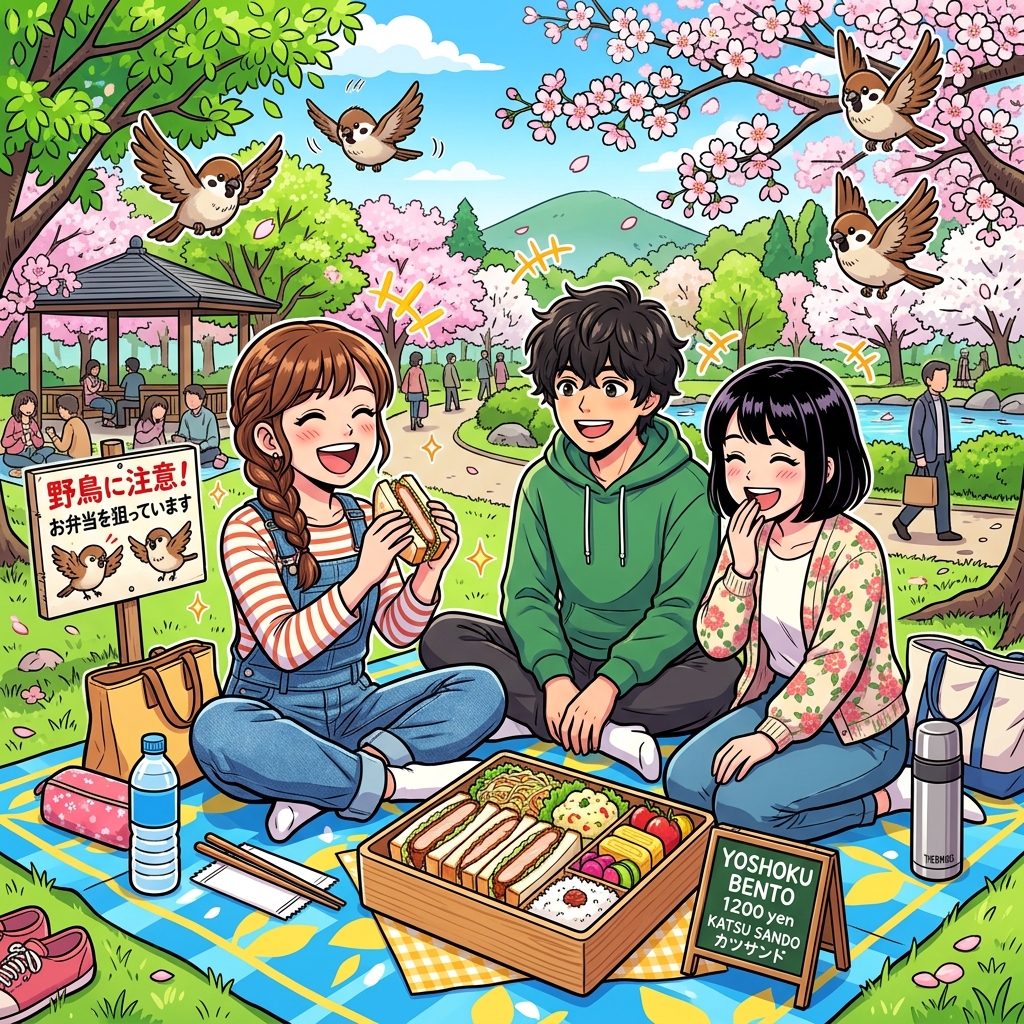
If you buy Katsu Sando for a picnic in popular spots like Yoyogi Park, beware of the sky! Hawks (tonbi) and crows in Japan are notorious for swooping down and stealing food directly from your hands. Always eat under the cover of trees or a parasol, and keep your food closely guarded.
Dive into the fascinating world of Yoshoku, and discover how Japan has masterfully blended East and West into a culinary tradition all its own!