Understanding Gogatsu-byou
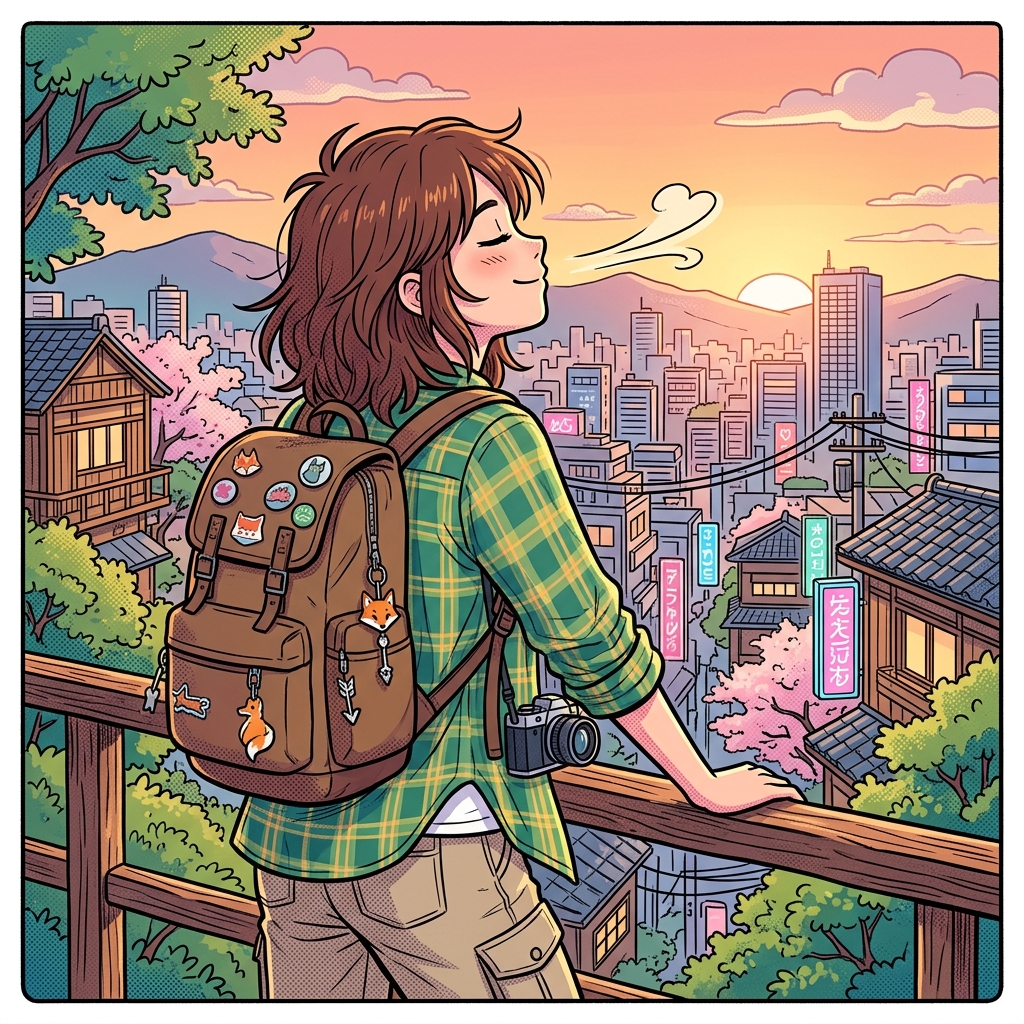
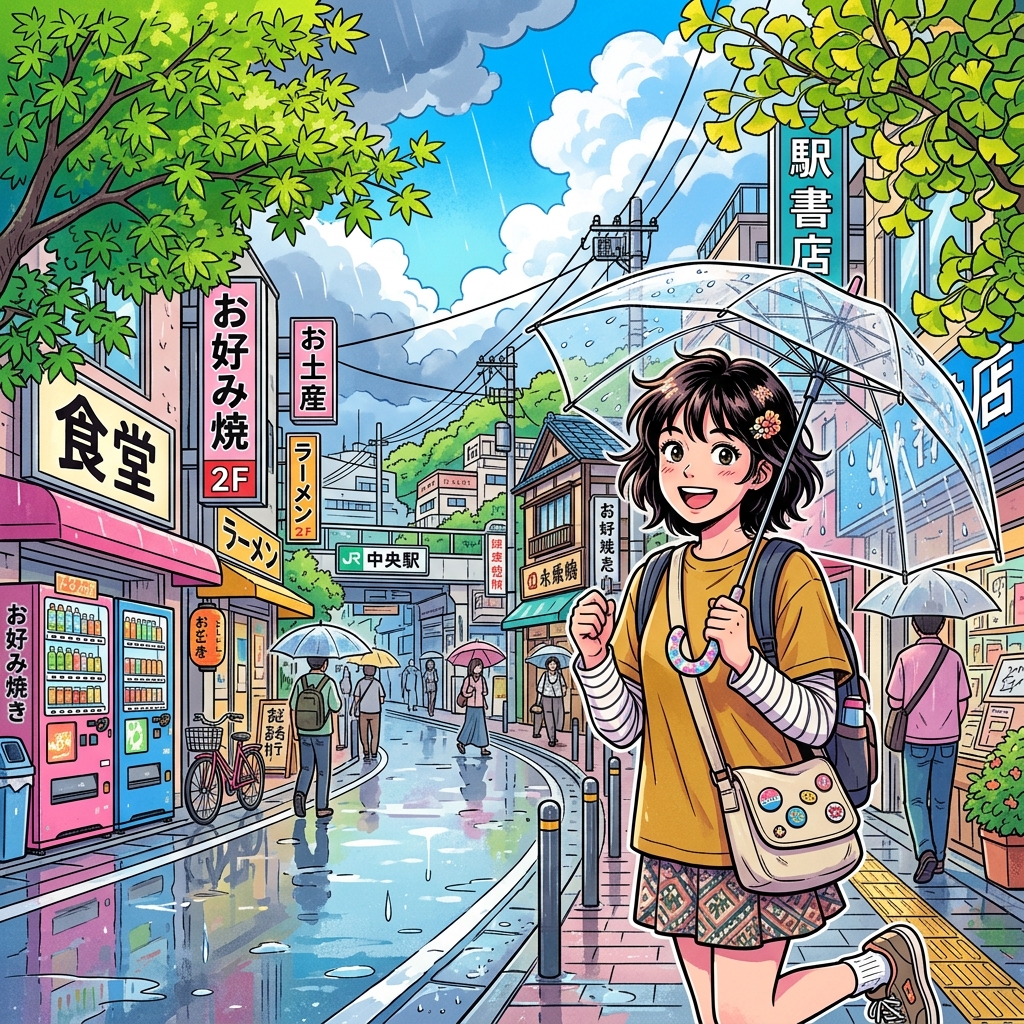
As the vibrant energy of Golden Week fades and mid-May approaches, a unique cultural phenomenon sweeps across Japan: Gogatsu-byou (五月病), or “May Sickness.”
Far from being a clinical illness, Gogatsu-byou describes the collective lethargy, mild burnout, and lack of motivation that many Japanese students and workers feel after returning to their routines following the long spring holidays. April marks the beginning of the fiscal and academic year in Japan—a period of intense change, new environments, and high stress. By May, the adrenaline wears off, and the exhaustion sets in.
But here is the fascinating part: rather than just powering through it, Japanese culture has developed deeply ingrained, highly effective methods for mental and physical reset. For international travelers, understanding and adopting these practices isn’t just about cultural appreciation; it’s the ultimate guide to avoiding travel burnout and achieving true wellness on your journey.
1. Washing Away the Stress: Sento and Onsen Culture
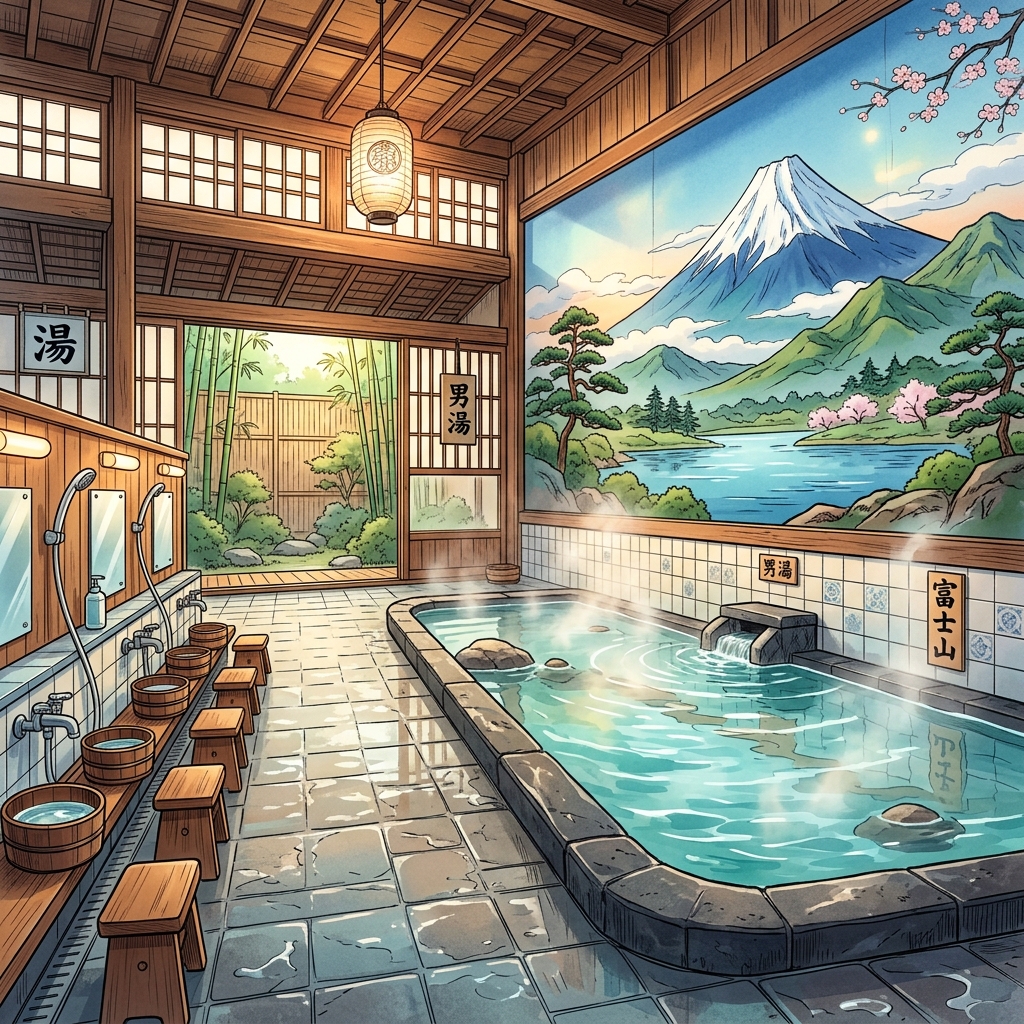
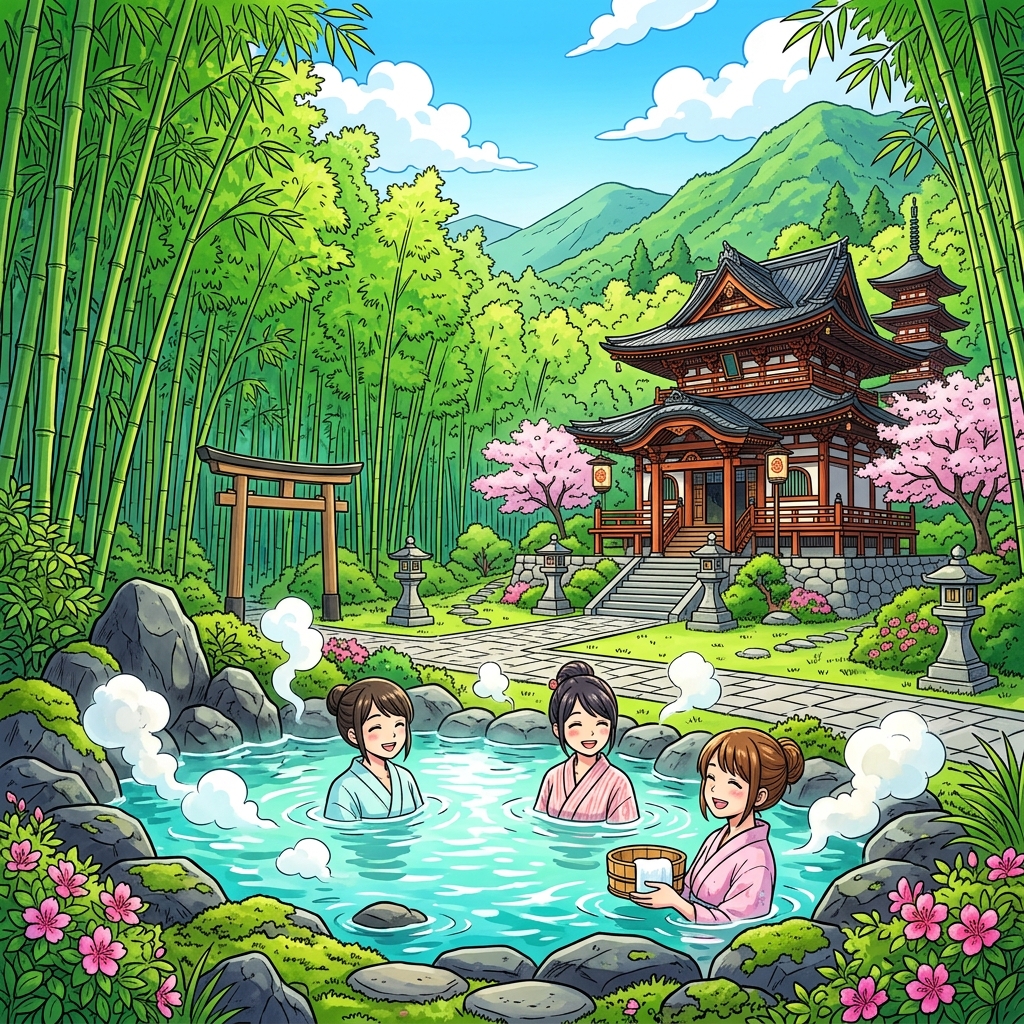
When the weight of daily life (or a packed travel itinerary) becomes too much, the Japanese head to the baths. Whether it’s a neighborhood sento (public bathhouse) or a luxurious onsen (hot spring) resort, the act of soaking in hot water is a daily ritual of purification and relaxation.
Traveler Tip: You don’t need to travel far into the mountains to experience this. Modern “super sento” complexes in Tokyo, like Spa LaQua or Thermae-Yu, offer a perfect mid-trip reset. Alternating between hot baths and cold plunges (sauna culture, or “totonou,” is currently booming in Japan) is a scientifically proven way to reset your autonomic nervous system.
2. Shinrin-yoku: The Healing Power of Forest Bathing

Coined in Japan in the 1980s, Shinrin-yoku translates to “forest bathing”—the practice of immersing yourself in nature in a mindful way. It’s not about hiking for exercise; it’s about engaging all five senses to connect with the forest atmosphere. Studies have shown it lowers cortisol levels and boosts immune function.
Traveler Tip: As the lush green of early summer takes over, take a slow, deliberate walk through places like Meiji Jingu’s inner forest in Tokyo, the bamboo groves of Arashiyama (visit early morning to avoid crowds), or the ancient cedar trails of Mount Takao. Leave your phone in your bag and just breathe.
3. Finding Stillness: Temple Gardens and Zen Mindfulness
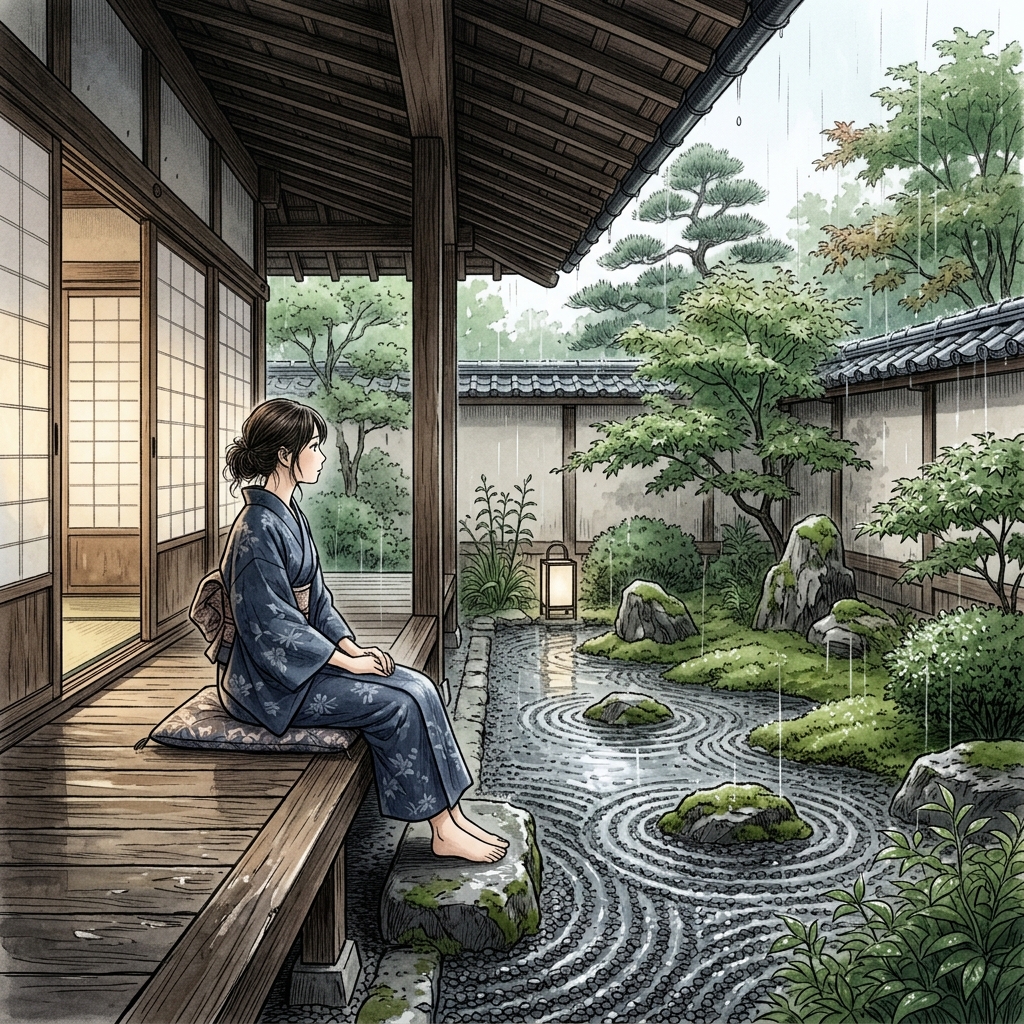
The transition into the rainy season (Tsuyu), which typically begins in early June, is the perfect time to embrace indoor or sheltered stillness. Japanese Buddhist temples, particularly Zen temples, are designed to facilitate this. The meticulous raked gravel of a karesansui (dry landscape garden) or the sound of rain on a wooden temple veranda (engawa) are tools for meditation.
Traveler Tip: Seek out lesser-known temples for a quieter experience. Sit on the veranda, watch the garden, and practice simply “being.” Many temples also offer Zazen (seated meditation) sessions or Shakyo (sutra copying) for visitors, providing a structured way to clear a cluttered mind.
4. The Matcha & Wagashi Ritual: A Moment of Pause
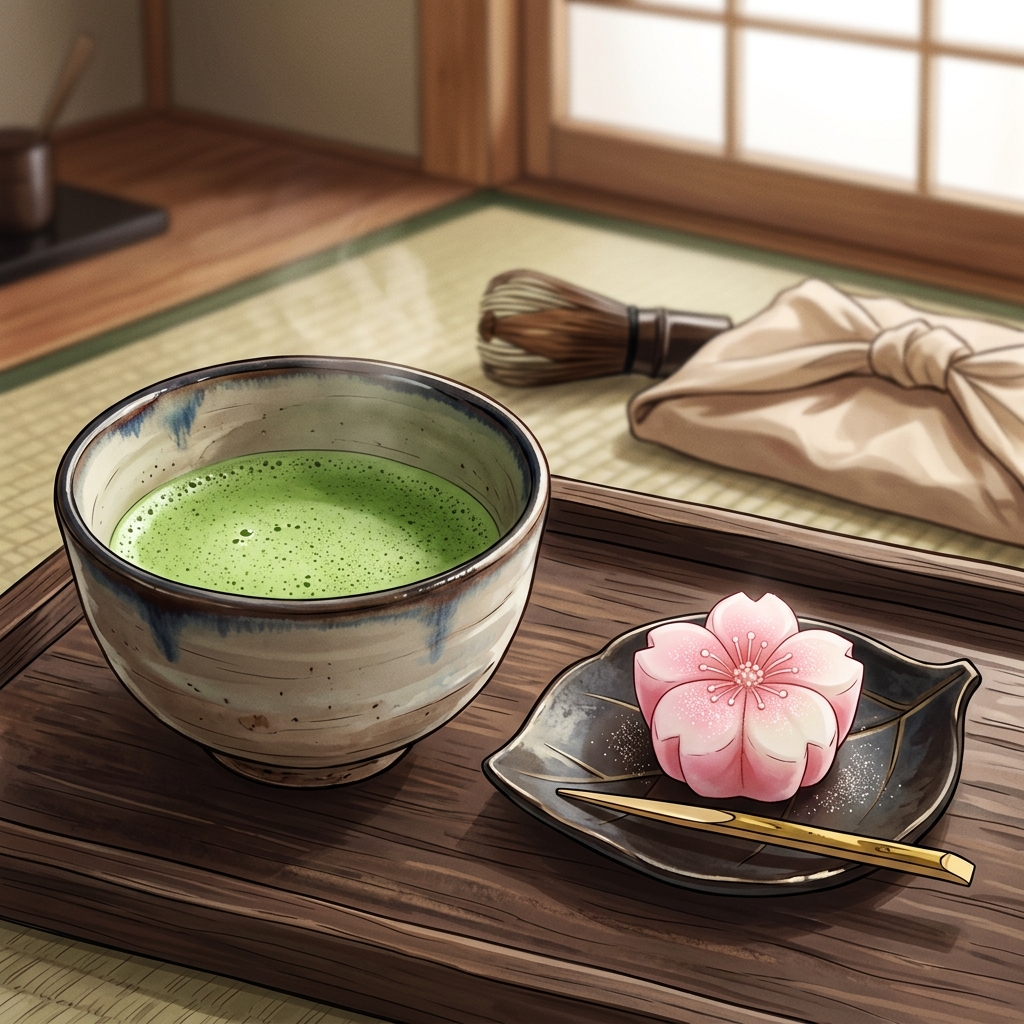
In Japan, enjoying a bowl of matcha green tea and a seasonal wagashi (traditional sweet) is more than just a snack; it’s a moment of enforced mindfulness. Wagashi are designed to reflect the current season—perhaps a sweet shaped like a blooming iris or a raindrop in May/June. The bitterness of the tea balances the sweetness of the confection, creating a harmonious sensory experience.
Traveler Tip: Skip the quick coffee shop run and allocate an hour for a traditional tea house experience. Focus entirely on the taste, the craftsmanship of the sweet, and the warmth of the tea bowl. It’s a micro-reset that recharges you for the rest of the day.
Embracing the “Reset” on Your Journey

Travel can be exhausting, especially in a country as stimulating as Japan. By adopting the Japanese approach to overcoming Gogatsu-byou, you can transform your trip from a frantic checklist into a rejuvenating experience. When you feel the travel fatigue setting in, remember: sometimes the most authentic cultural experience is simply taking the time to rest, reflect, and reset.