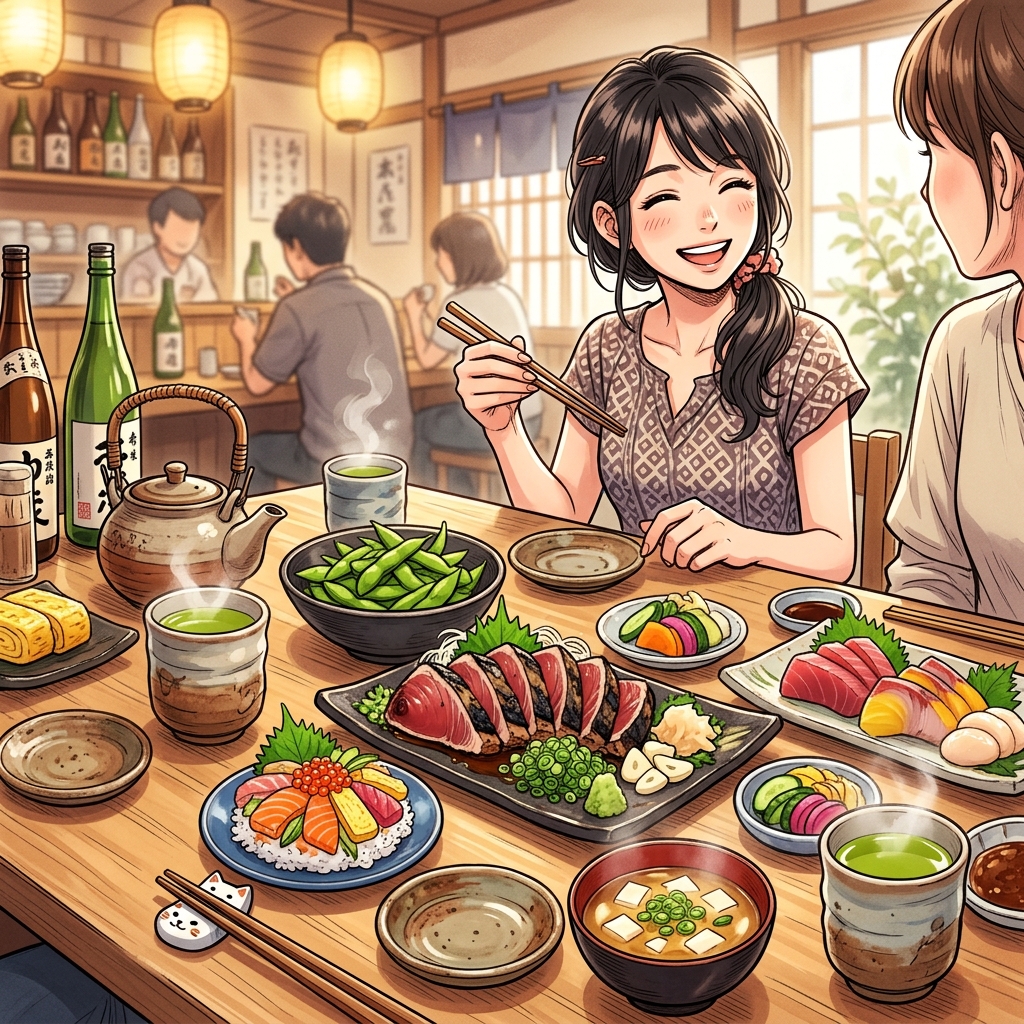
When traveling to Japan, you quickly realize that the culture is deeply intertwined with the changing of the seasons. While cherry blossoms and autumn leaves are the most famous visual markers, there is another, perhaps more delicious way the Japanese celebrate the passage of time: through food. This is the concept of “Shun” (旬).
Shun translates to the exact moment when an ingredient is at its absolute peak in terms of flavor, nutritional value, and freshness. For Japanese chefs and home cooks alike, cooking isn’t just about following a recipe; it’s about capturing a specific micro-season on a plate. If you want to elevate your Japan trip from a standard vacation to a true cultural immersion, learning how to eat Shun is the ultimate travel hack.
Otsukaresama! (Good Job!)
You are now ready to eat your way through Japan like a true local. Remember to always look out for the seasonal specials!
The Philosophy of "Shun"
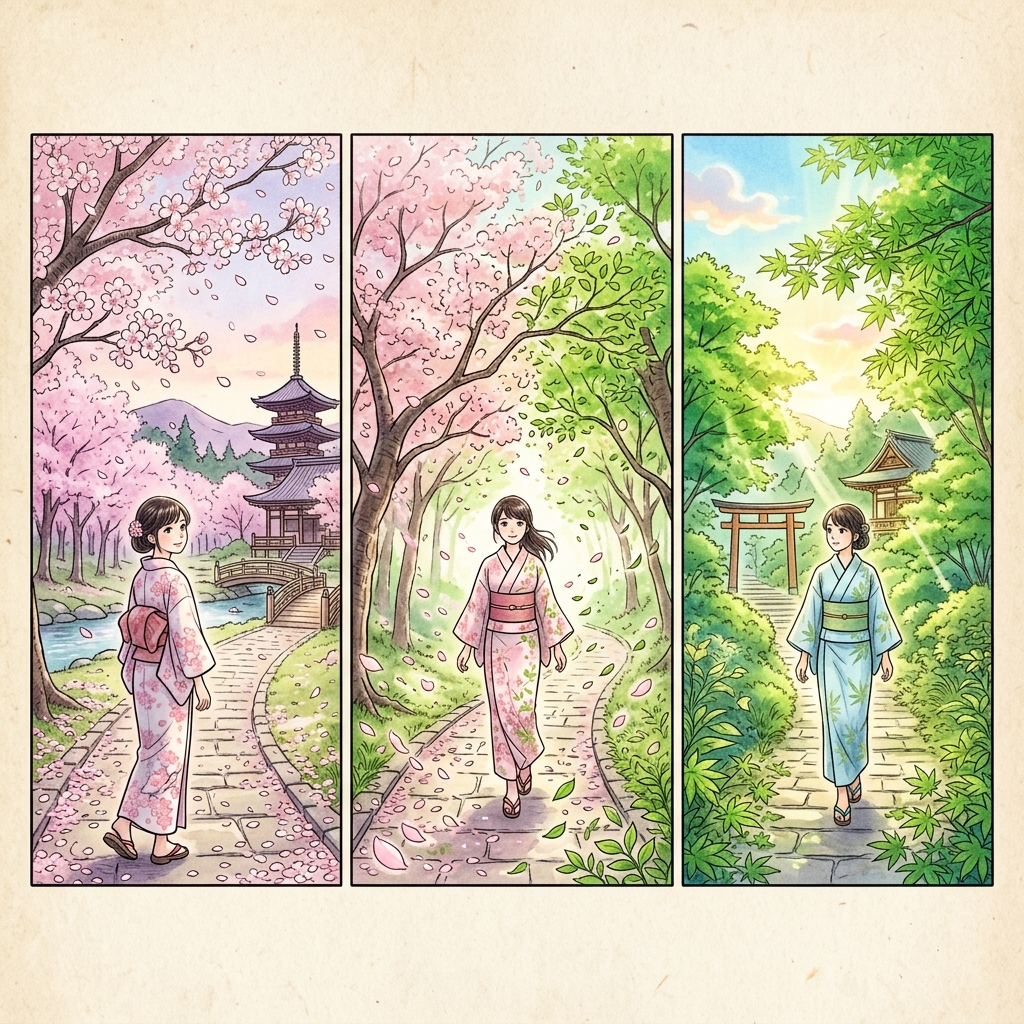
The concept of Shun goes far beyond simply knowing what vegetables grow in which month. It is rooted in a deep respect for nature and the transient beauty of life. In traditional Japanese cuisine, a season is actually broken down into three distinct phases for any given ingredient:
- Hashiri (走り - The First Run): The very beginning of the season. These are the first harvests or catches. They are highly prized for their novelty and fresh, youthful energy, even if the flavor isn't fully developed yet.
- Sakari (盛り - The Peak): This is true Shun. The ingredient is most abundant, its flavor is at its absolute richest, and the price is usually the most reasonable.
- Nagori (名残 - The Lingering Trace): The end of the season. Eating Nagori is a nostalgic experience, a way of saying goodbye to the ingredient until next year. The flavors are often deeper and more mature.
Understanding these subtle shifts allows you to appreciate a meal the way locals do—as a fleeting moment in time.
Late Spring & Early Summer Stars
If you are visiting Japan between May and June, you are in for a treat. The weather is warming up, and the food transitions from the bitter, detoxifying mountain vegetables of early spring to refreshing, energetic summer fare. Here are the seasonal stars you must look out for:
Hatsu-gatsuo (First Bonito)
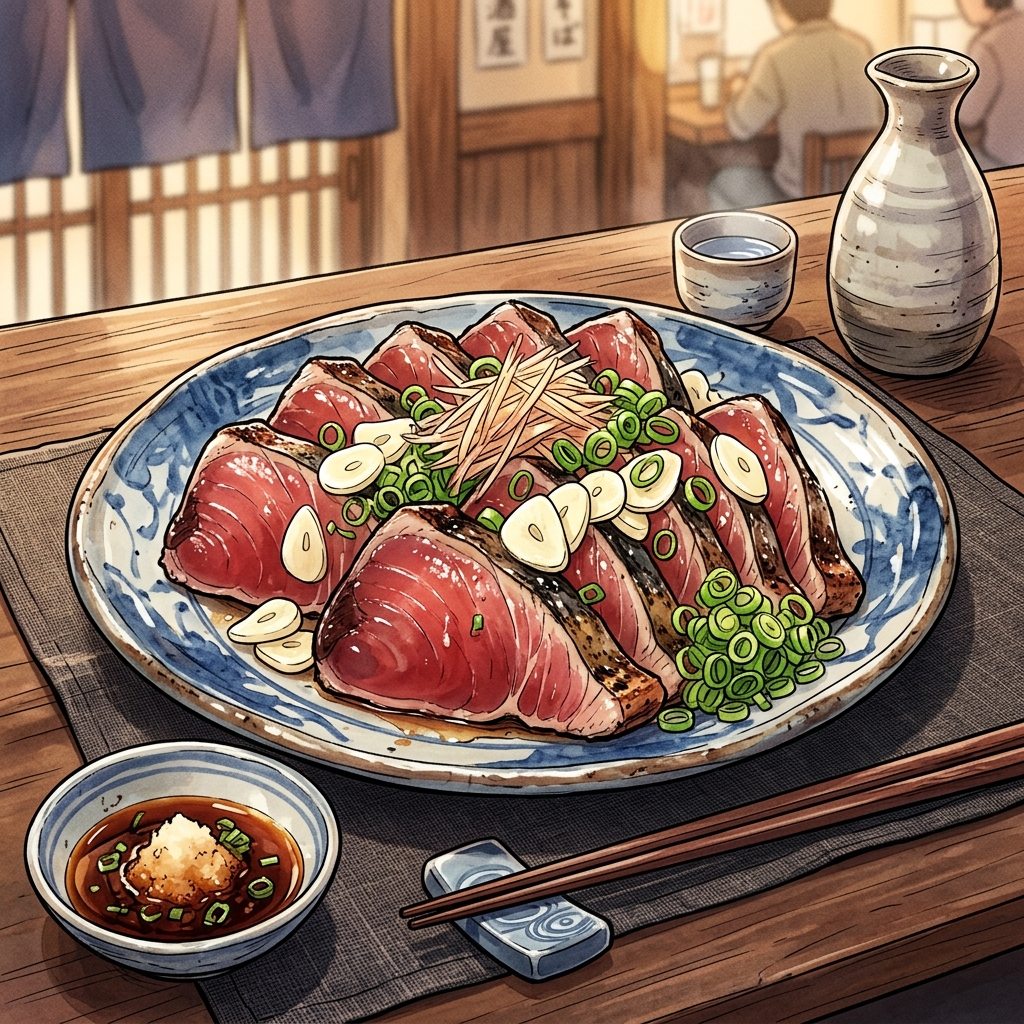
Perhaps the most famous symbol of early summer in Japan is Hatsu-gatsuo (the first catch of skipjack tuna). Historically, this fish was so prized that Edo-period citizens would joke about pawning their wives just to afford a taste! Unlike the fatty autumn bonito, the spring catch is incredibly lean, clean-tasting, and firm. It is almost always served as Katsuo no Tataki—lightly seared on the outside (traditionally over a straw fire) and raw on the inside, topped with generous amounts of garlic, ginger, and green onions.
Shincha: The First Pour
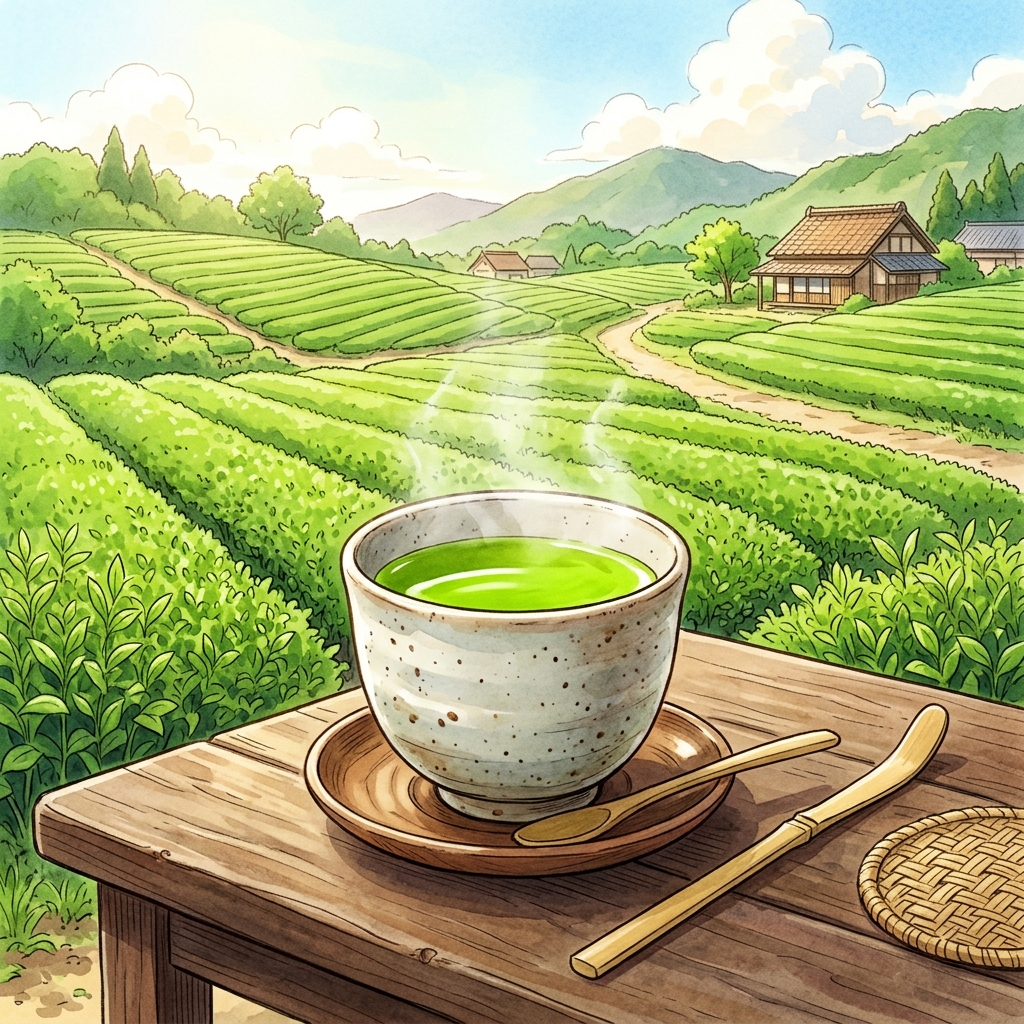
May marks the beginning of the tea harvest. Shincha (new tea) is the very first flush of green tea leaves of the year. Having rested all winter, these young, tender leaves are packed with nutrients, offering an exceptionally sweet, umami-rich flavor and a vibrant, almost neon-green color. A freshly brewed cup of Shincha is the literal taste of Japanese spring.
Ayu (Sweetfish) & Edamame
As June approaches, look for Ayu, a small river fish known for its sweet, melon-like aroma. It is typically salt-grilled whole over charcoal and eaten from head to tail. You will also start seeing fresh, on-the-branch Edamame appearing in markets and pubs, completely outclassing the frozen variety you might be used to.
Where to Find "Shun" as a Traveler
You don't need to book a $300 Michelin-starred Kaiseki meal to experience Shun. The beauty of this culture is that it permeates every level of Japanese dining.
The Depachika Hack
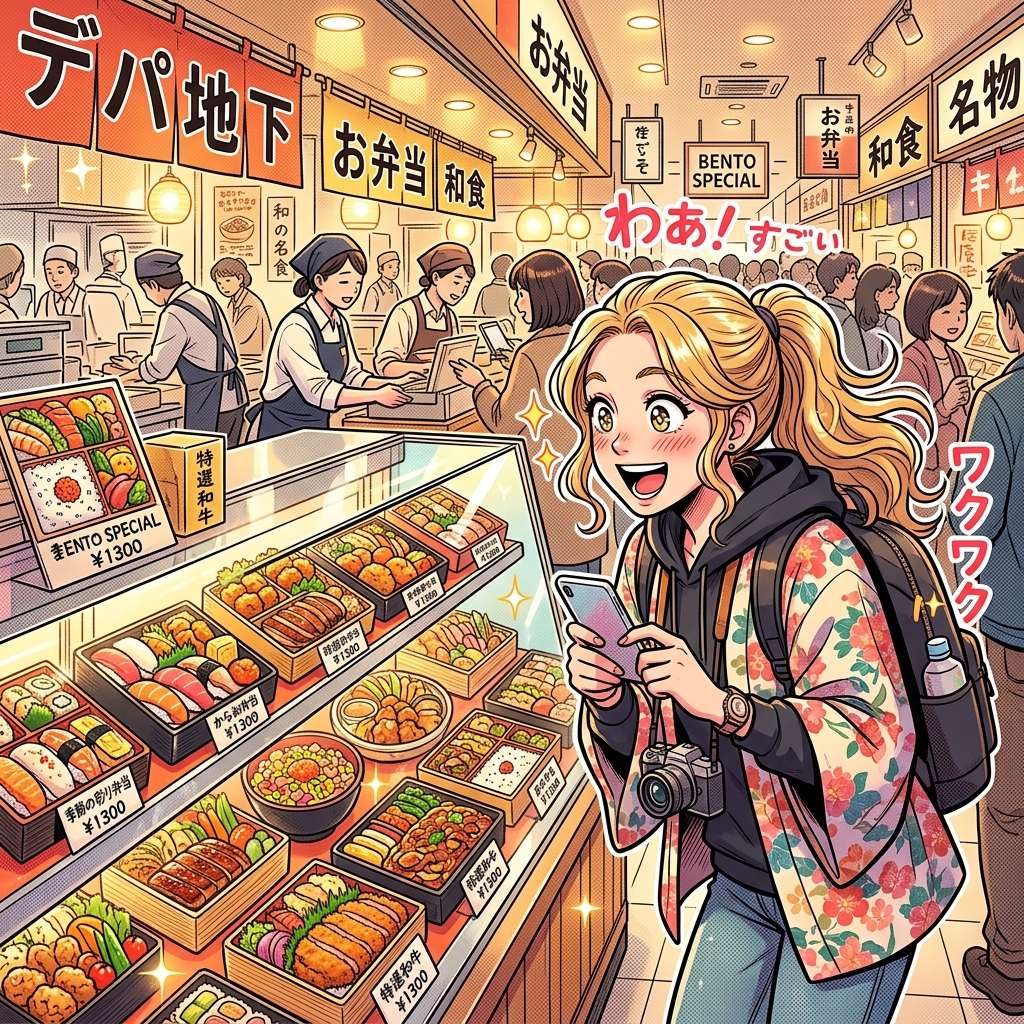
Depachika (department store basement food halls) are the easiest and most visually stunning places to find seasonal foods. In May and June, you'll see the showcases transform. Look for beautifully arranged bento boxes featuring seasonal bamboo shoots, early summer seafood, and vibrant green vegetables. Grabbing a seasonal bento and eating it in a local park is a quintessential Japanese experience.
The Izakaya Hack
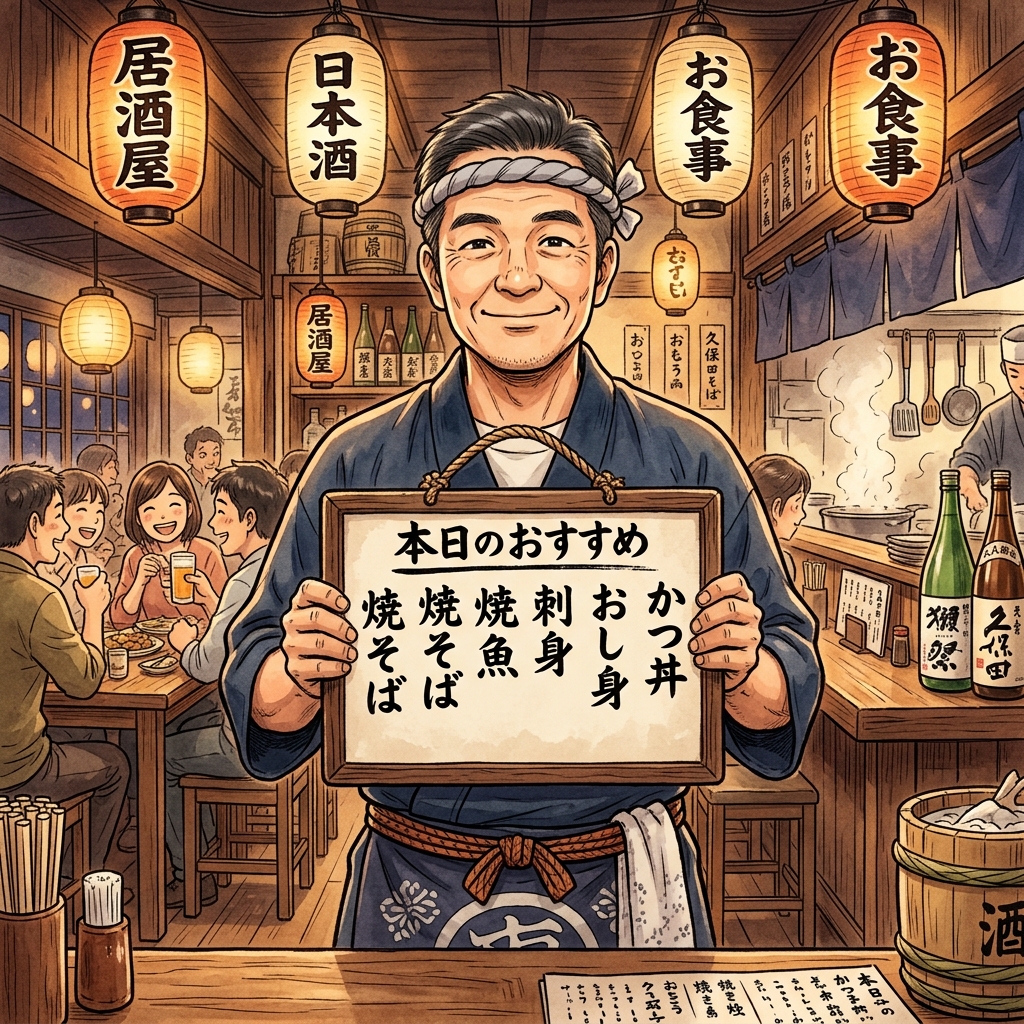
When you visit a traditional Japanese pub (Izakaya), skip the standard laminated menu. Instead, look for a handwritten piece of paper—often on a clipboard or taped to the wall. This is the "Osusume" (Recommended) menu, which changes daily based on what the chef found at the morning market. This is where the true Shun hides.
Traveler's Phrase: If you can't read the handwritten Japanese (which is notoriously difficult even for advanced learners!), simply smile at the staff and ask:
"Kyou no osusume wa nan desu ka?" (What is today's recommendation?)
You might not know exactly what you're ordering, but it's guaranteed to be the best thing in the house that day.
Convenience Store Treasures
Even Japan's famous konbini (convenience stores) respect the seasons. Look out for seasonal limited-edition items. In early summer, you'll find Shincha-flavored sweets, plum (ume) flavored snacks, and refreshing cold noodle dishes making their annual debut.
Conclusion
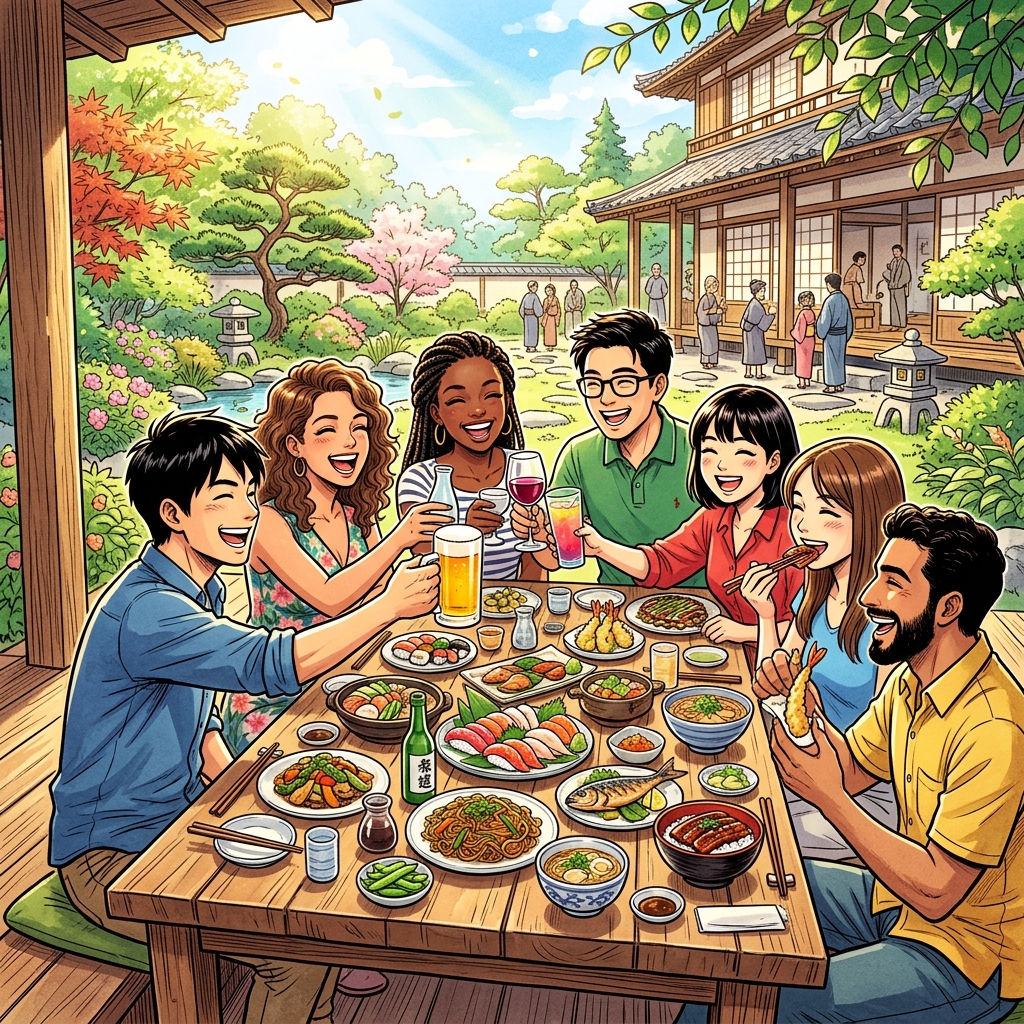
Eating in Japan is an adventure, but eating Shun is a cultural revelation. By paying attention to what is uniquely available during your specific travel dates, you connect with the country on a deeper level. So, the next time you sit down for a meal in Tokyo, Kyoto, or anywhere in between, take a moment to look at your plate and ask yourself: "What season am I eating?"