
- The Question on Every Traveler’s Mind
- The Iran Conflict and Japan’s Energy Vulnerability
- The Naphtha Chain: Why Everyday Prices Are Climbing
- New Tourist Fees You Need to Know About
- What’s Still Surprisingly Affordable in Japan
- Smart Moves to Keep Your Japan Trip on Budget
- The Honest Verdict: Is Japan Still Worth It?
The Question on Every Traveler’s Mind
If you’ve been researching a trip to Japan lately, chances are you’ve run into headlines that made you pause. “Japan prices soaring.” “Oil shock hits Asia.” “New tourist fees coming.” It’s enough to make anyone wonder: is this still the right time to go?
The short answer is yes — but the picture is more nuanced than either the alarmist headlines or the cheerful “Japan is still cheap!” travel blogs suggest. This article cuts through the noise and gives you a clear-eyed look at what’s actually changing, why it’s happening, and what it means for your wallet.
We’ll start with the global event driving a lot of Japan’s current price pressures — the 2026 conflict in the Middle East — and trace it all the way down to the price of your convenience store onigiri.
The Iran Conflict and Japan’s Energy Vulnerability
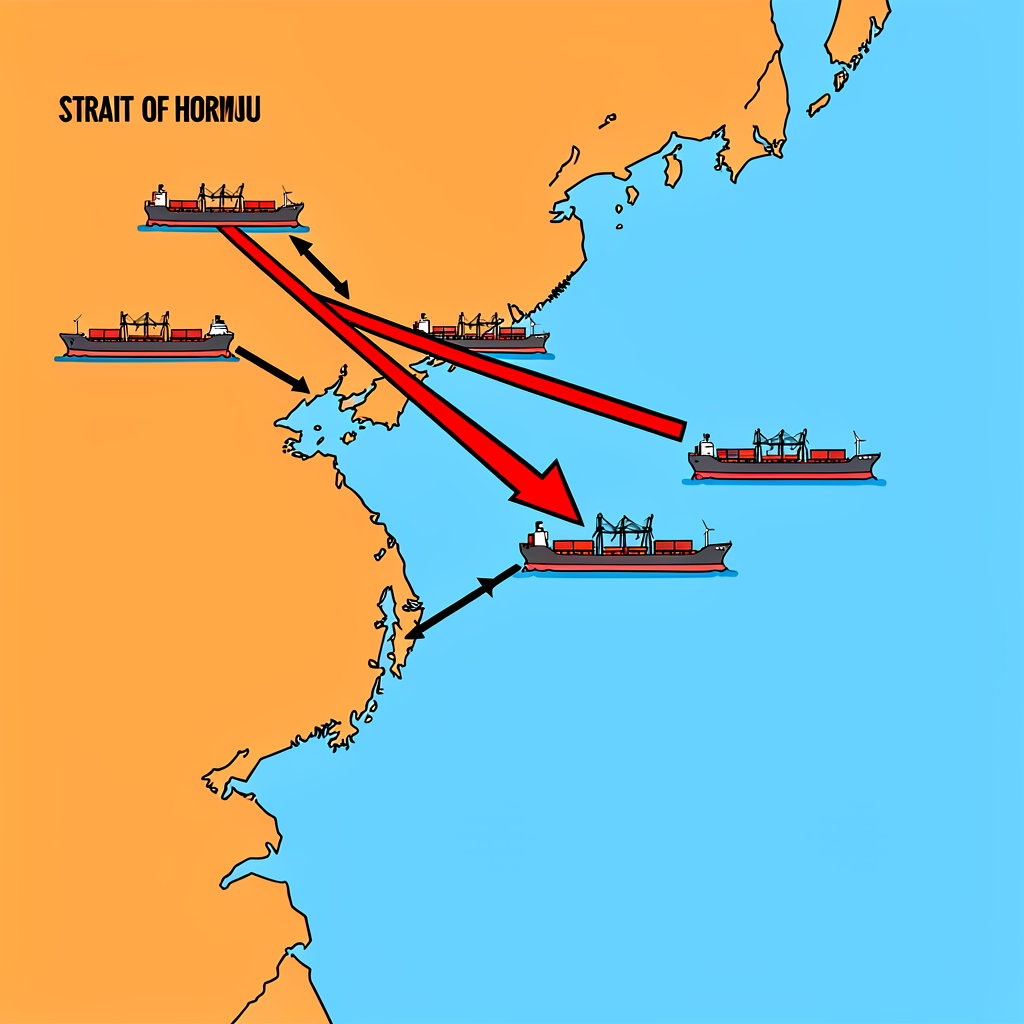
In early 2026, escalating conflict in the Middle East — centered around Iran — sent shockwaves through global energy markets. Brent crude oil surged dramatically in the weeks following disruptions to tanker traffic through the Strait of Hormuz, the narrow waterway through which a significant portion of the world’s oil moves.
For Japan, this is not a distant geopolitical story. As of early 2026, approximately 94% of Japan’s crude oil imports come from the Middle East. The country has virtually no domestic oil production. When the Strait of Hormuz becomes difficult to navigate, Japan’s energy supply chain feels it almost immediately.
The result has been rising import prices across the board. According to Japan’s central bank data, import prices denominated in yen surged by more than 17% year-on-year by April 2026 — a combination of higher oil prices and a weak yen amplifying the damage.
Why Japan’s Oil Dependence Is So High
Japan made a deliberate choice decades ago to prioritize energy imports over domestic energy development. The country imports oil, liquefied natural gas (LNG), and coal to fuel everything from its factories to its power grid. This gave Japan access to cheap global energy — but it also left the country structurally exposed to exactly the kind of disruption playing out now.
The government has emergency strategic petroleum reserves and is working with international partners to manage the situation. But the underlying vulnerability is real, and its effects are rippling through the economy in ways that travelers will notice.
The Naphtha Chain: Why Everyday Prices Are Climbing
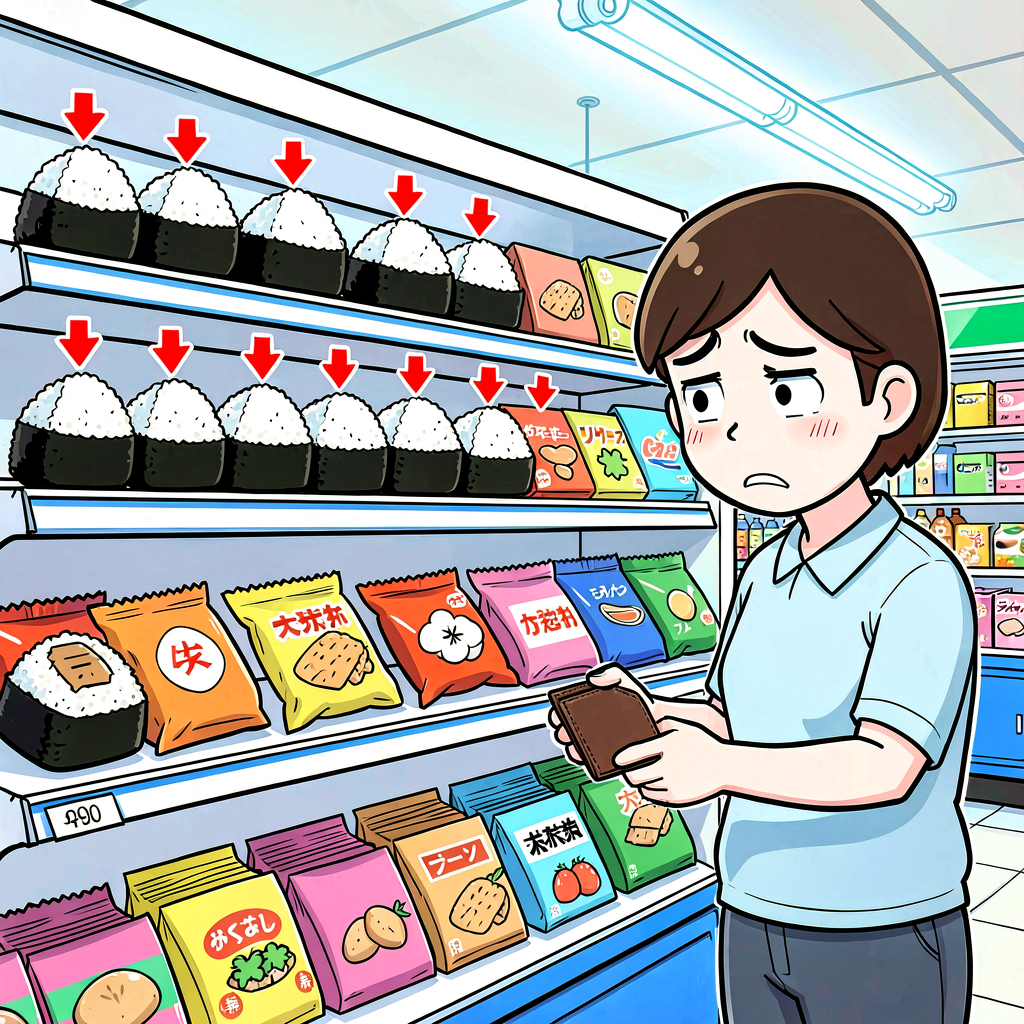
Here’s a chain reaction that most people don’t think about — but which explains a lot of what’s happening to prices in Japan right now.
Oil is refined into several products. One of them is naphtha — a light hydrocarbon that serves as the primary raw material for Japan’s petrochemical industry. Naphtha is used to make plastics, packaging materials, synthetic fibers, fertilizers, and countless other everyday products. It’s not something consumers buy directly, but it underpins almost everything they do buy.
When oil supplies are disrupted, naphtha supplies tighten first and fastest. Reports from the International Energy Agency in early 2026 indicated that Japan’s naphtha and LPG stockpiles had fallen to their lowest seasonal levels in over a decade. Petrochemical plants began scaling back production.
From Naphtha to Your Shopping Basket
The chain looks like this: less naphtha → reduced plastics production → higher packaging costs → food manufacturers paying more to wrap, seal, and ship their products → higher prices on the shelf.
It’s a slow-moving wave, but it’s already visible. Japan’s food inflation ran above 7% for most of 2025. By early 2026, over 20,000 individual food and household products had received price increases, according to industry tracking data. Rice — a staple of Japanese cuisine and daily life — roughly doubled in price over a two-year period.
For tourists, this mostly shows up as slightly higher prices at convenience stores, supermarkets, and casual restaurants compared to a few years ago. It’s noticeable, but it’s not shocking — especially if you’re arriving from a Western country where your own grocery bills have also been climbing.
What About Fuel and Transport?
Rising oil prices also mean higher fuel costs for domestic transport — buses, taxis, and to some extent the national rail network. Some taxi fares have increased. Longer-distance express bus services have also adjusted their pricing. The Japan Rail network, which runs largely on electricity, has been more insulated — but electricity generation costs have risen too, and those pressures eventually filter through.
New Tourist Fees You Need to Know About

Separate from the oil shock, Japan has been implementing a series of deliberate policy changes that affect how much international visitors pay. Some of these were planned before the current energy disruptions; others reflect the government’s growing focus on managing tourism sustainably.
Departure Tax: Tripling from July 2026
Japan currently charges all departing passengers an International Tourist Tax of ¥1,000. From July 2026, this rises to ¥3,000 — roughly $20 USD at current exchange rates. This applies to everyone leaving Japan by air or sea, regardless of nationality or how long they stayed.
If you’re traveling before July, you pay the old rate. If you’re booking a trip for late summer or autumn, factor this into your budget. For a family of four, the difference is about $60 — not a deal-breaker, but worth knowing.
JR Pass Price Increase: October 2026
The Japan Rail Pass — the multi-day unlimited rail ticket beloved by international visitors — is getting another price increase in October 2026. The 7-day adult pass will rise by ¥3,000, bringing it to ¥53,000 (approximately $350 USD). If you’re planning a trip that includes a JR Pass and can travel before October, buying your pass in advance under the current pricing is a straightforward way to save.
Possible New Entry Fees
As of mid-2026, Japanese authorities are also discussing the introduction of an entry screening fee in the range of ¥2,000–3,000 per traveler. This has not yet been finalized or implemented, but it’s worth monitoring if you’re planning a trip later in the year.
Tax-Free Shopping Is Changing Too
Japan’s tax-free shopping system — a popular perk for international visitors — is being restructured. Currently, eligible purchases are tax-free at the point of sale with your passport. A new refund-at-departure system is expected to roll out in late 2026, meaning you’ll pay the full price including consumption tax at the shop, then claim a refund at the airport before leaving.
This doesn’t change how much you ultimately pay for qualifying purchases, but it does change your cash flow during the trip. Budget accordingly, and keep your receipts.
What’s Still Surprisingly Affordable in Japan

Here’s the part of the story that often gets lost in the headline noise: for visitors arriving with US dollars, euros, British pounds, or Australian dollars, Japan remains genuinely good value compared to equivalent experiences in major Western cities.
At roughly 150 yen to the dollar (as of mid-2026), many things that feel luxurious in Japan are still priced well below what you’d pay at home:
- Public transport — Tokyo’s subway system covers the entire city for typically ¥200–300 per ride. Comparable metro systems in London or Paris cost two to three times as much.
- Ramen, soba, and set lunches — A satisfying bowl of ramen at a counter restaurant typically runs ¥900–1,400. A set lunch (teishoku) at a mid-range restaurant often comes with rice, soup, pickles, and a main dish for ¥1,200–1,800.
- Convenience store meals — Yes, prices have risen, but a filling onigiri still costs ¥150–220, and a hot coffee from the machine is around ¥150. The math still works for budget travelers.
- Temple and shrine entry — Many of Japan’s most famous spiritual sites are free or charge only ¥500–1,000 for entry. Compare this to major European heritage sites where entrance fees regularly exceed €15–20.
- Accommodation variety — Business hotels in central Tokyo offer clean, well-located rooms from around ¥8,000–12,000 per night. Capsule hotels and guesthouses go lower. Even at the inflated end, you’re rarely paying London or Paris rates for central accommodation.
The overall picture is of a country that has become somewhat more expensive in recent years — but one that started from a position of extraordinary value. The gap has narrowed; it hasn’t closed.
Smart Moves to Keep Your Japan Trip on Budget

Given everything above, here are the most practical steps you can take to manage costs without sacrificing the quality of your experience.
Time Your Booking Around the New Fees
If you have flexibility, traveling before July 2026 means the lower departure tax. If a JR Pass makes sense for your itinerary, purchasing it before October locks in the current pricing. These aren’t urgent reasons to rush a trip you’re not ready for — but if you were planning to go anyway, the timing does matter.
Load a Mobile IC Card Before You Land
A digital IC card (like Suica or Pasmo) loaded directly onto a compatible smartphone lets you tap on and off trains, buses, and even pay at convenience stores — all without fumbling for cash or paying card surcharges. Top-up is available with a foreign credit card. It’s the smoothest, most cost-efficient way to handle small daily transactions.
Mix Convenience Store Meals With Restaurant Lunches
Japanese convenience stores — despite the price increases — remain one of the world’s great budget travel resources. Quality is genuinely high. Supplement them with restaurant lunches rather than dinners: the same restaurant will often serve a teishoku set at lunch for half the dinner price.
Carry Some Cash, but Not Too Much
Japan is increasingly cashless-friendly in tourist areas, but smaller temples, rural vending stalls, and some traditional restaurants still operate cash-only. Having ¥5,000–10,000 on hand at any time covers most situations. Avoid airport currency exchange if possible — rates are typically worse than using an ATM at a convenience store branch, which accepts major foreign cards.
Stay Alert to Changing Entry Requirements
The proposed entry screening fee and the tax-free shopping changes are both still evolving as of mid-2026. Check Japan’s official tourism authority website and your country’s foreign affairs travel page close to your departure date for the most current requirements.
The Honest Verdict: Is Japan Still Worth It?

Yes — with eyes open.
Japan in 2026 is more expensive than Japan in 2019. Some of that is the global inflation that has touched virtually every destination on earth. Some of it is specific to Japan’s energy dependence and the current situation in the Middle East. And some of it is deliberate policy: Japan is consciously moving toward a model where tourism contributes more directly to the infrastructure and communities it puts under pressure.
None of this changes the fundamental experience on offer. The food is extraordinary, the transport is reliable, the cities are safe and strikingly beautiful, the nature is accessible, and the cultural depth is unlike anywhere else in the world. Travelers who knew Japan five years ago will notice the price differences; travelers arriving for the first time will almost certainly still find it remarkable value.
The advice isn’t “go now before it gets worse.” It’s simpler than that: go prepared. Know what the current fees are, book your JR Pass at the right time, budget a little more for food and taxis than older guides suggest, and approach the trip with the flexibility that any evolving destination rewards.
Japan isn’t getting too expensive. It’s getting more accurately priced — and it still has a long way to go before it loses its edge.
※ Illustrations in this article are AI-generated and may not represent actual locations, products, or services.