- Tokyo’s Convenience Stores Just Got a Whole Lot More Generous
- What Is Kansha Mori?
- Wave 1 Products — Available May 12–25
- Wave 2 Products — Available May 19–June 1
- Why Japanese 7-Eleven Is Different From What You Might Expect
- The Twist: Japan Owns the American 7-Eleven
- Practical Tips for Visiting During the Campaign
Tokyo’s Convenience Stores Just Got a Whole Lot More Generous
If you’re visiting Tokyo between May 12 and June 1, 2026, here’s something worth adding to your itinerary: every 7-Eleven in the city is running a campaign called Kansha Mori (感謝盛り) — which translates loosely as “Gratitude Portions.” The deal is refreshingly simple. Popular items get 50% more food at exactly the same price. No loyalty card, no app, no complicated steps. Just pick up the item, and you’ll get noticeably more than usual.
Official Web Site Announcement..
It’s a good excuse to do something many first-time visitors to Japan overlook: actually sit down and eat at a convenience store.
Now you know the history, the food, and the campaign details. Tokyo’s 7-Elevens are open 24 hours — go explore.
What Is Kansha Mori?
The campaign runs across two overlapping waves:
- Wave 1: May 12–25, 2026
- Wave 2: May 19–June 1, 2026
Each wave features six selected products, each increased by 50% or more in portion size while keeping the original price. The overlap window between May 19–25 is when both lineups are available simultaneously — a good few days to try items from both rounds in a single visit.
The items below are the Tokyo-area lineup. Some other regions have their own regional variants (Hokkaido, Tohoku, Kansai, Shizuoka, and Okinawa each have different items in some slots), so the selection you’ll encounter in Tokyo stores is specifically this.
Wave 1 Products — Available May 12–25
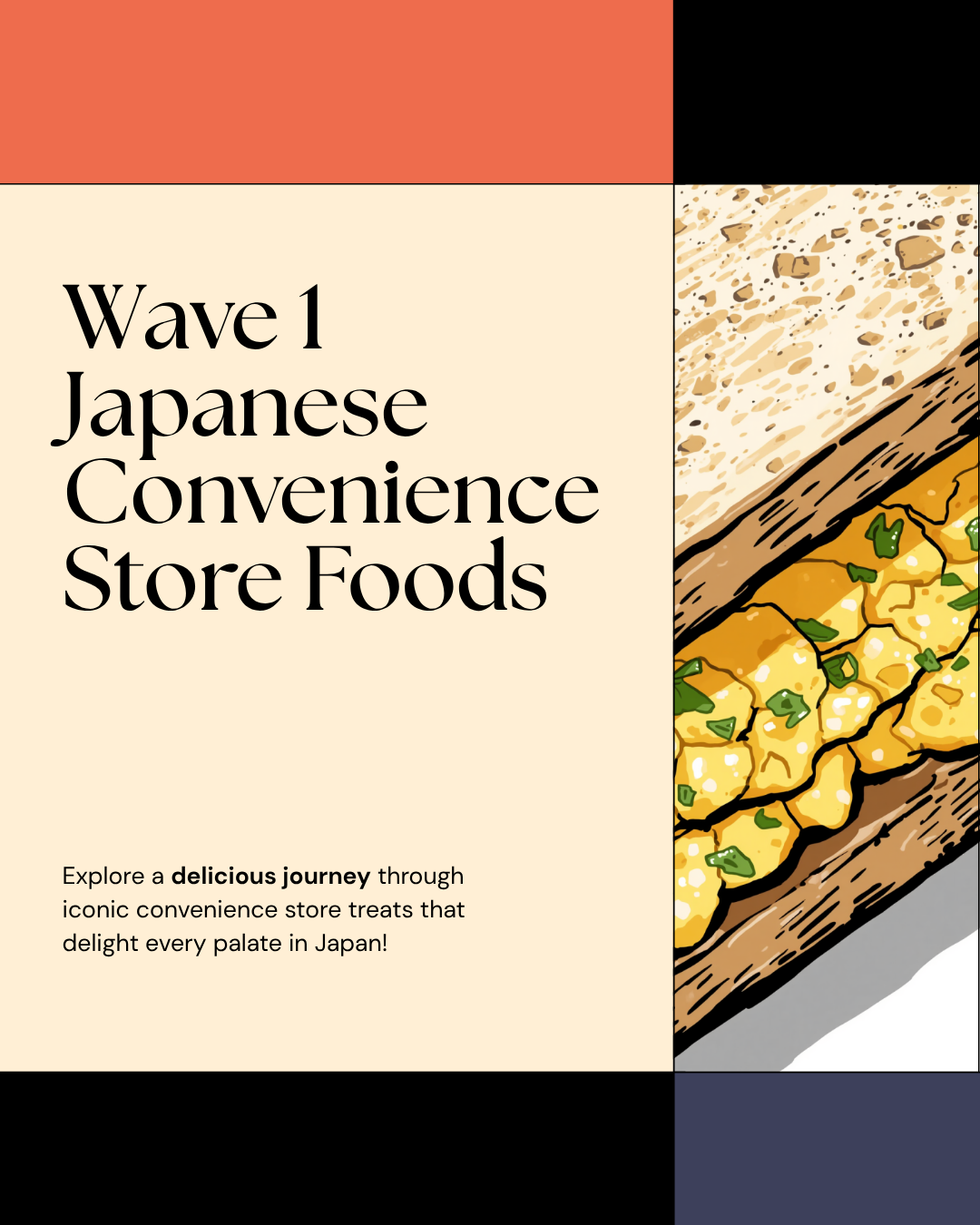
Six items are available during the first wave. All prices are pre-tax.
- 中華蕎麦とみ田監修 デカ豚ラーメン アブラ増 (¥680) — A collaboration with Tomita, a highly regarded ramen restaurant in Chiba known for its thick, rich broth. This cup-style ramen comes loaded with extra noodles, back fat (abura), and soup. “Abura mashi” — extra fat — is a classic ramen-shop customization in Japan, and here it’s baked right in.
- 直火炙りのゴロっと焼豚チャーハン (¥460) — Fried rice with chunky flame-charred pork belly, now with a bigger portion of both meat and rice. The direct-fire char gives it a smoky edge that most convenience store chahan don’t have.
- セブン‐イレブンこだわり THE たまごサンド (¥270) — Possibly Japan’s most iconic convenience store item: a thick egg salad sandwich on fluffy shokupan milk bread. The egg filling is creamy and substantial to begin with; during this campaign it’s even more generous.
- つぶつぶコーンマヨネーズ (¥158) — Sweet corn and mayonnaise packed into a soft roll. Simple, slightly sweet, and genuinely addictive. More filling than the standard version.
- こうじ味噌マヨネーズ入り 野菜スティック (¥260) — Crisp vegetable sticks with a koji miso mayo dip. Koji (麹) is the fermented mold that gives miso and sake their depth — using it in a mayo dip is a distinctly Japanese touch. More vegetables and more dip this round.
- ふわっと生どら焼 つぶあん&ホイップ (¥198) — A soft dorayaki pancake sandwich filled with chunky red bean paste (tsubu-an) and whipped cream. Dorayaki is one of Japan’s most beloved wagashi (traditional sweets). The filling-to-bread ratio is already generous; the campaign version goes further.
Wave 2 Products — Available May 19–June 1
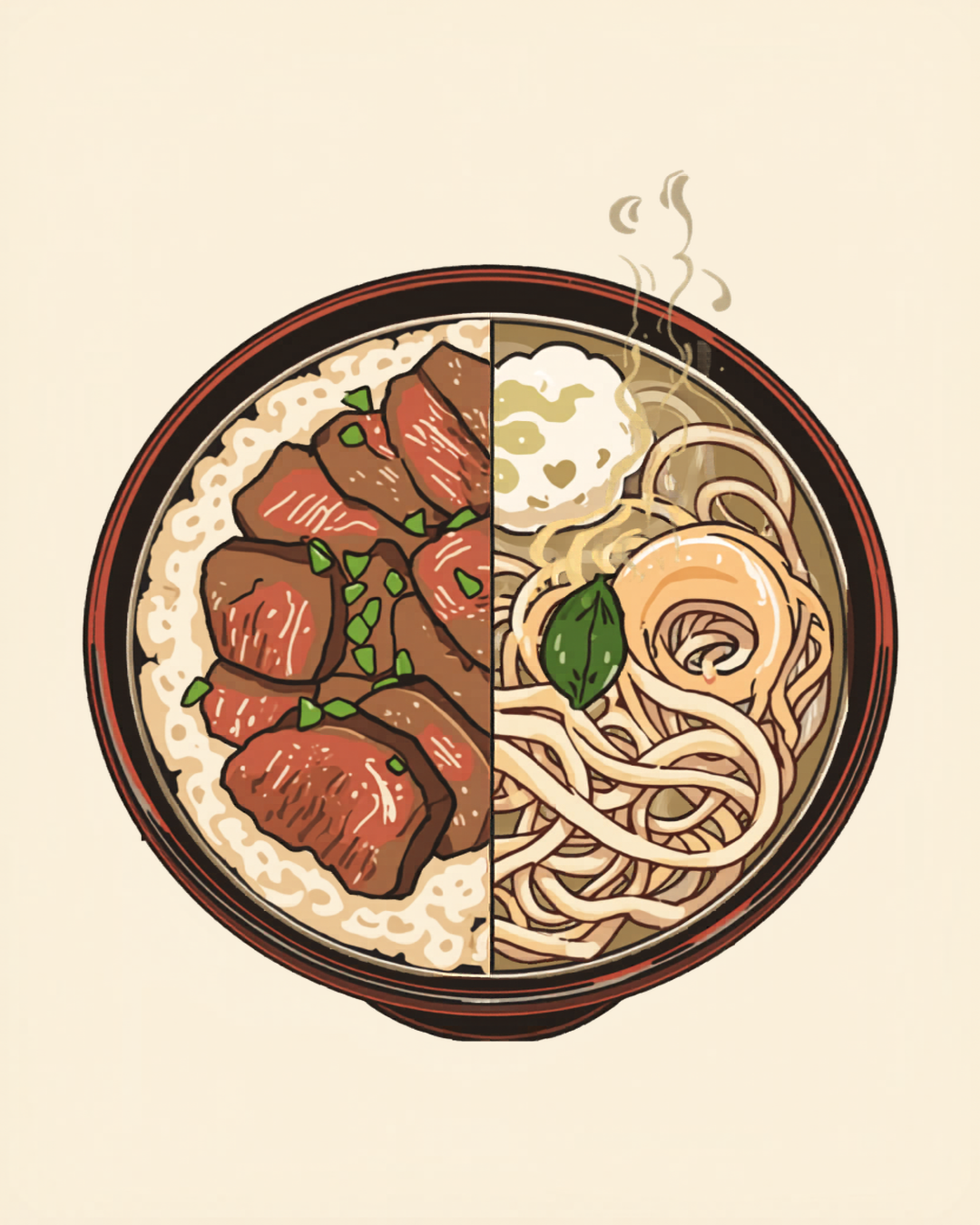
The second wave launches while Wave 1 is still running, giving you a brief window to try items from both.
- つゆまで旨い 牛丼 (¥598) — A Japanese beef bowl: thinly sliced beef braised in soy sauce, mirin, and dashi, served over rice. “Tsuyumade umai” means the broth itself is good enough to drink — and the portion is now larger. Gyudon is one of Japan’s great quick meals, and this is a solid convenience store take.
- 濃厚だし割りとろろの冷しぶっかけそば (¥490) — Cold buckwheat noodles topped with grated mountain yam (tororo) and a rich dashi broth poured over the top. Tororo has a thick, slightly slippery texture that surprises most first-timers. More noodles, more tororo, more broth this round.
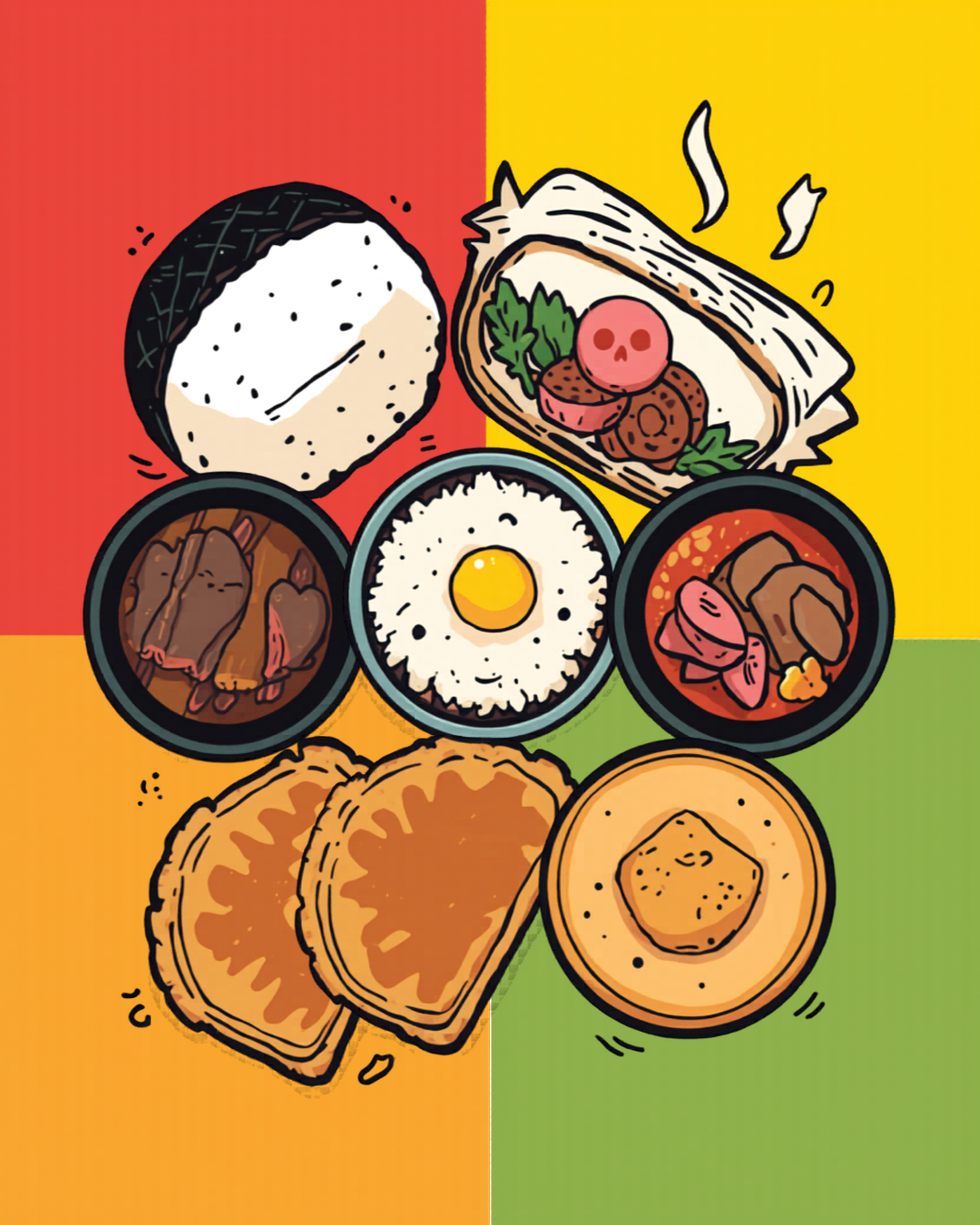
- 塩むすび (¥145) — Japanese rice, a pinch of salt, a strip of nori. Nothing else. Now larger. This is a good litmus test for appreciating quality rice — if it tastes good with only salt, the rice is the point.
- ソーセージエッグマフィン (¥288) — Japan’s version of a breakfast muffin sandwich: thick sausage, egg, and melted cheese on a soft bun. More of everything, and slightly more substantial than the usual size.
- チョコクリームのふわもちちぎりパン (¥158) — Pull-apart bread filled with chocolate cream. The texture is pillowy and chewy — “fuwa-mochi” describes that combination well. Now with increased overall weight.
- かじるニューヨークチーズケーキ (¥270) — A dense, American-style cheesecake in grab-and-go format. The name “kajiru” means “to bite into” — it’s firmer than a typical Japanese cheesecake and designed to be eaten like a bar. Bigger slice this round.
Why Japanese 7-Eleven Is Different From What You Might Expect
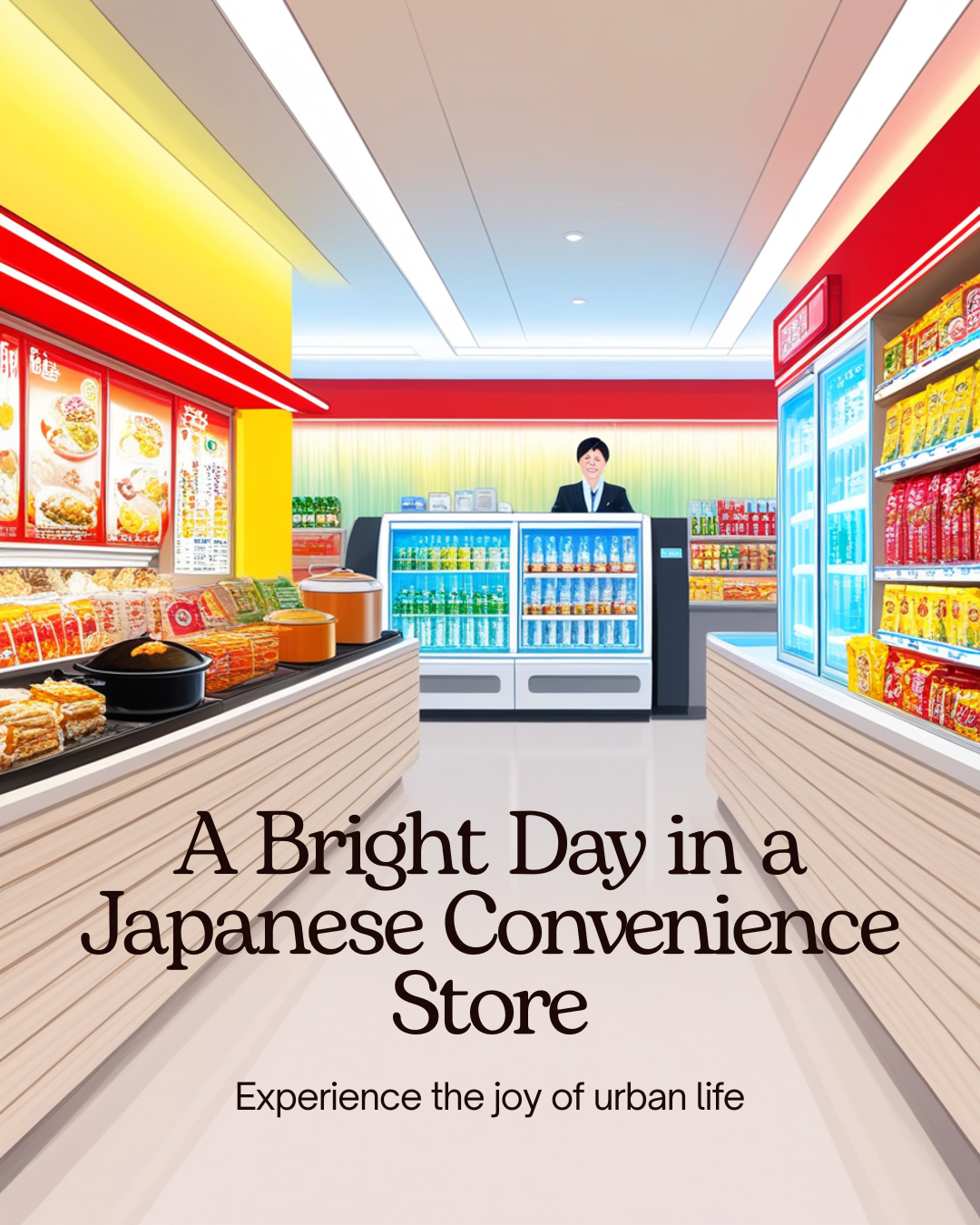
If your mental image of a 7-Eleven involves gas station hot dogs and rotating sausages under heat lamps, Japan will recalibrate that picture entirely.
Japanese konbini (convenience stores) function as neighborhood life hubs. At any hour, you can pay utility bills, send packages via overnight courier, use a clean ATM that accepts foreign cards, print documents, and buy a genuinely good meal — all in the same trip. The stores are open 24 hours, almost always spotless, and staff are efficient without being impersonal.
The food quality is taken seriously in a way that visitors frequently find surprising. Onigiri rice balls are freshly made daily using specific wrapping technology that keeps the nori crisp until you tear it open. The egg salad sandwiches use properly soft shokupan milk bread. Seasonal items rotate constantly. Collaboration products — like the Tomita ramen in Wave 1 — are developed with actual restaurants and tend to reflect real culinary effort rather than branding.
Japan has approximately 21,000 7-Eleven stores. In Tokyo, you’re rarely more than a few minutes’ walk from one. The ubiquity is part of the point: convenience stores in Japan are treated as an infrastructure layer, not just a retail category.
The Twist: Japan Owns the American 7-Eleven
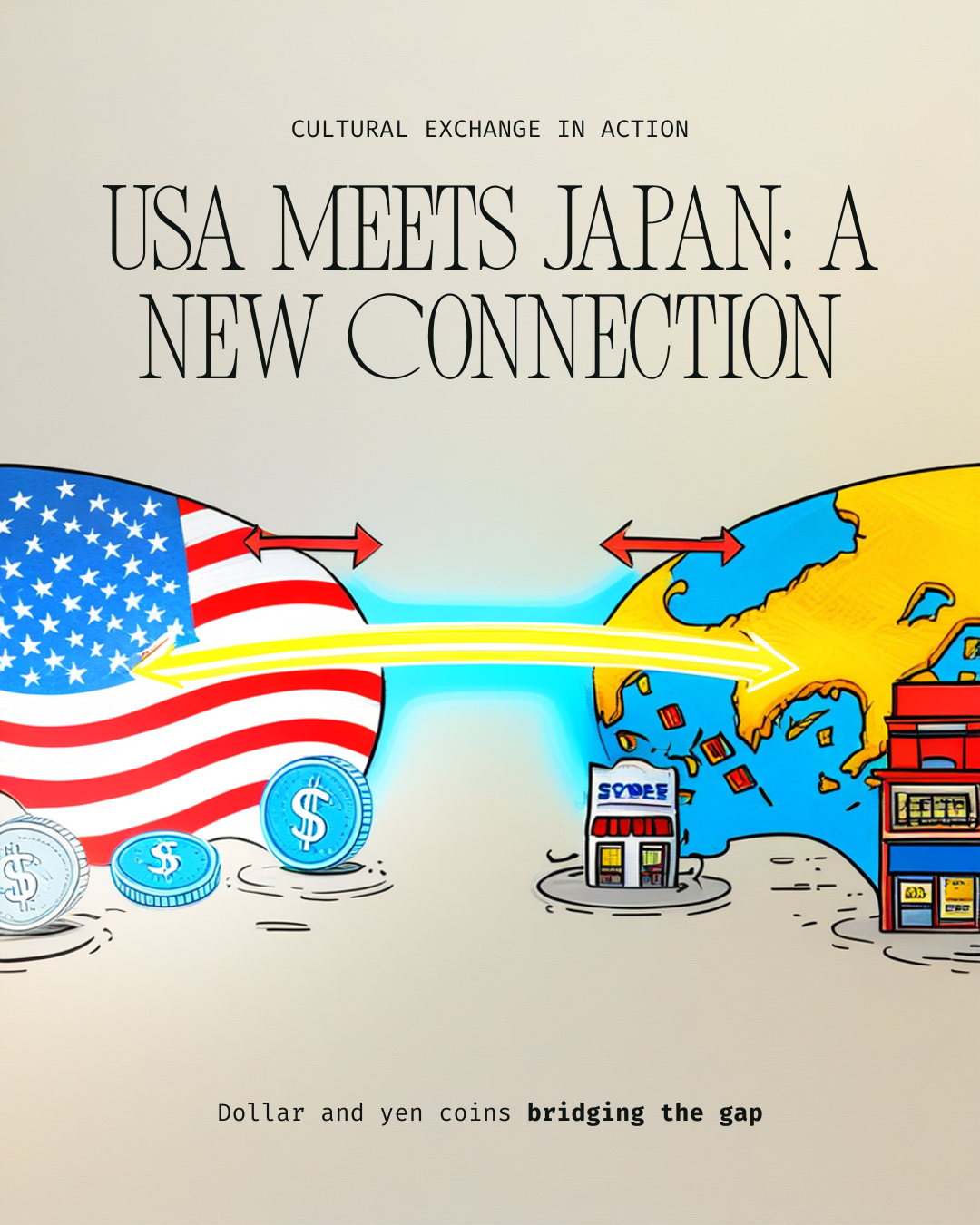
Here’s the part of the story that most people don’t know — and it’s a genuine reversal.
7-Eleven started in 1927 in Dallas, Texas, as the Southland Ice Company: a business that sold ice blocks and gradually expanded into general grocery retail. The name came from its original hours — 7 AM to 11 PM, unusual at the time. By the 1960s and 70s it had become one of America’s most recognizable retail brands.
In 1973, a Japanese supermarket group called Ito-Yokado licensed the 7-Eleven concept from Southland Corporation, and opened Japan’s first store in Tokyo in 1974. The company that ran those stores was called Seven-Eleven Japan.
What followed is one of retail history’s more remarkable reversals. The Japanese stores, shaped by local consumer expectations around freshness, variety, and service quality, became so consistently well-run that the Japanese operation effectively surpassed its American source.
By 1990, Southland Corporation — the American parent — had accumulated billions in debt and was heading toward bankruptcy. In 1991, Ito-Yokado and Seven-Eleven Japan stepped in with a $430 million cash injection, acquiring a 70% controlling stake in the process. The company that had licensed the concept to Japan ended up being rescued by its Japanese licensee.
In 2005, 7-Eleven, Inc. became a wholly owned subsidiary of Seven-Eleven Japan, which is now part of the Tokyo-based holding company Seven & i Holdings — one of the world’s largest retail conglomerates. The brand that started in Texas is, legally and structurally, owned by a Japanese company.
It’s a story that says something interesting about how Japan absorbs and refines imported ideas. The convenience store concept came from the United States. Japan took it, raised the standard considerably, and eventually bought the original.
Practical Tips for Visiting During the Campaign
When to go for best selection: Freshly made items like onigiri and sandwiches are restocked multiple times a day, but mornings and early afternoons typically have the widest variety. Late-night visits are fine for hot items and packaged goods.
Heating food: If you pick up a bento or rice dish, staff will often ask “atatamemasu ka?” — “would you like this heated?” Just nod, or say “hai” (yes). The microwave is at the counter and takes about 30 seconds. This is a standard service and completely free.
Payment: IC cards (Suica, Pasmo) work across all Tokyo stores and are the fastest way to pay. Credit cards and cash are both accepted. 7-Eleven ATMs accept foreign debit and credit cards 24/7 — useful if you need yen while out exploring.
Finding campaign items: Kansha Mori products are clearly labelled in-store with campaign tags. Even if you can’t read Japanese, look for the 感謝盛り (Kansha Mori) branding — colorful tags with the campaign name. Wave 1 runs until May 25; Wave 2 runs through June 1.
Regional note: The products listed in this article are the Tokyo-area lineup. If you’re visiting Hokkaido, Kansai, Shizuoka, Tohoku, or Okinawa during the same period, some items may differ — those regions have their own regional variants running alongside the main campaign.
※ Illustrations in this article are AI-generated and may not represent actual locations, products, or services.