- Tokyo’s Transit Labyrinth — And Why It’s Easier Than It Looks
- Tokyo Transport Quiz
- The Tourist Pasmo Is Back — What Changed in 2026
- What You Can Do With an IC Card in Tokyo
- Hidden Hacks Even Repeat Visitors Miss
- Tokyo Train Etiquette: The Rules Nobody Tells You
- Common Mistakes to Avoid
- Your 2026 Tokyo Transport Checklist
Tokyo’s Transit Labyrinth — And Why It’s Easier Than It Looks
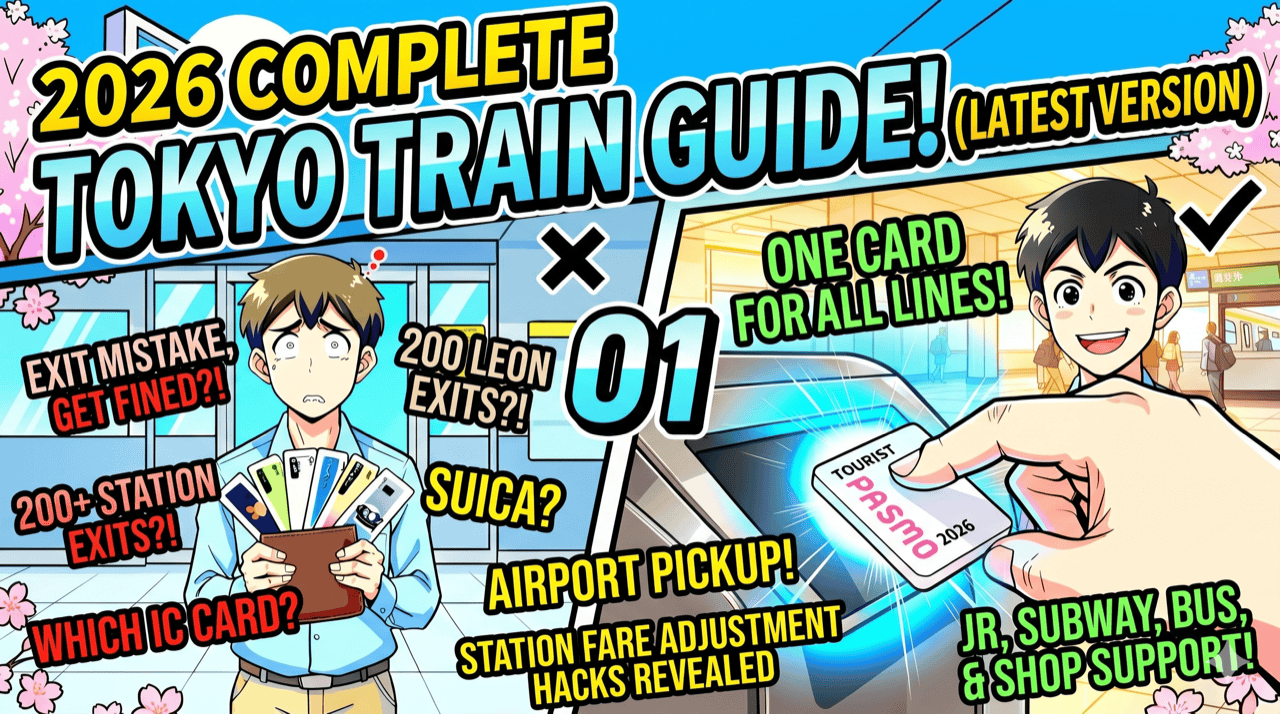
The first time most visitors see a Tokyo train map, the reaction is always the same: a long pause, a slow exhale, and then a quiet “how do people actually use this?” Dozens of overlapping lines, multiple operating companies, station names that seem to multiply with every zoom — it looks like a puzzle designed to intimidate.
But here’s what that map doesn’t show you: once you have an IC card in your pocket, nearly all of that complexity disappears. You tap in, ride, tap out. The system calculates the fare. You keep moving.
This guide covers everything you need to know about getting around Tokyo in 2026 — from the newly re-launched Tourist Pasmo to the unwritten rules that even frequent visitors haven’t figured out yet.
Tokyo Transport Quiz
Test your knowledge — 8 questions for first-timers and frequent visitors alike
The Tourist Pasmo Is Back — What Changed in 2026
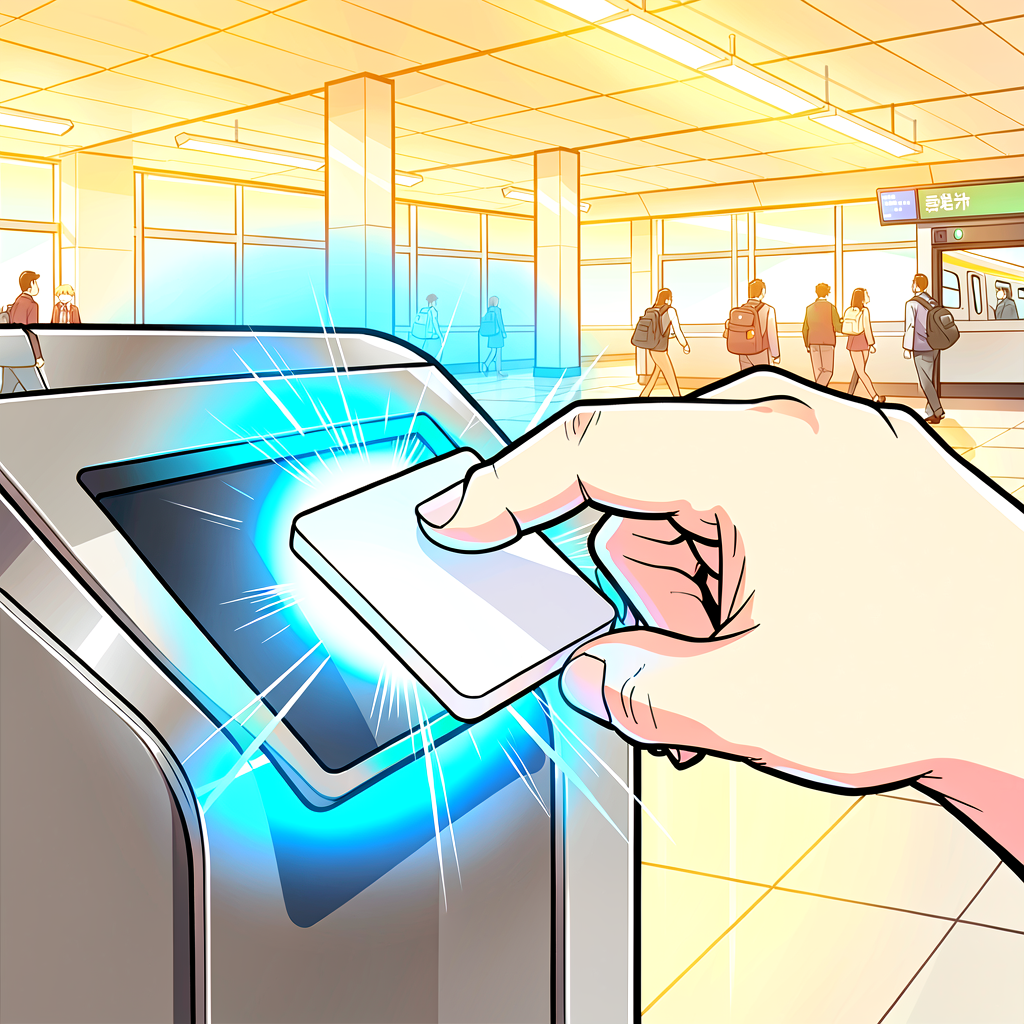
If you visited Japan before 2024, you may remember the Pasmo Passport — a prepaid IC card sold exclusively to foreign visitors at airports. It was discontinued in 2023 due to a global chip shortage, leaving tourists scrambling for alternatives.
The good news: as of May 2026, its successor — the Tourist Pasmo — is available again at Narita and Haneda airports, as well as select major train stations in central Tokyo. It works across virtually every train, subway, and bus line in the Greater Tokyo area.
Where to Pick Up Your Tourist Pasmo
Look for the dedicated Tourist Pasmo kiosks at arrival halls in both airports. Signs are in English, and the machines accept foreign credit and debit cards. You can also find them at major hub stations such as Shinjuku, Shibuya, and Tokyo Station — useful if you forgot to grab one at the airport.
There is no deposit and no card fee — you simply choose an initial balance to load. At Narita Airport, cards come preloaded with ¥2,000; at Haneda, you can select from ¥1,000 to ¥10,000 depending on how long you plan to stay. Starting with ¥2,000–¥3,000 covers a couple of days of typical city travel.
How Long Is It Valid?
The Tourist Pasmo is valid for 28 days from the date of issue — long enough to cover almost any tourist itinerary. Any remaining balance when the card expires cannot be refunded. The card is designed as a travel keepsake as much as a payment tool, so the practical advice is to spend down the balance before your last day rather than leaving money on it.
What You Can Do With an IC Card in Tokyo
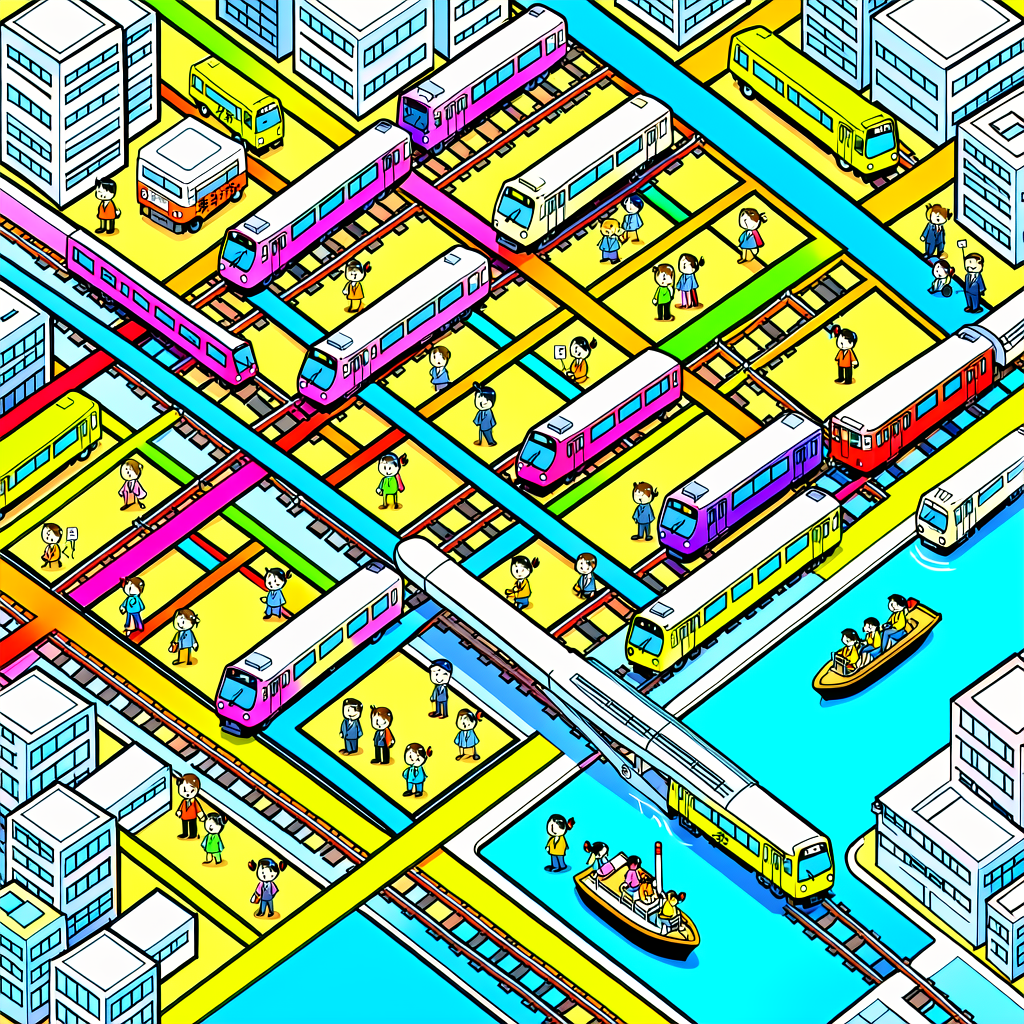
The real power of an IC card isn’t just convenience. It’s how much of Tokyo it unlocks in a single tap.
Every Train and Subway Line in the City
Tokyo’s rail network is operated by several different companies: JR East, Tokyo Metro, Toei Subway, and a number of private lines including Tokyu, Odakyu, Seibu, and Keio. Historically, each company ran its own ticketing system. The IC card changed all of that.
With a Tourist Pasmo, you can board any of these networks without buying a separate ticket. The system automatically deducts the correct fare — including transfer costs between operators — when you tap out. Beyond the standard subway and JR lines, IC cards also work on:
- Toden Arakawa Line — Tokyo’s last surviving tram, a nostalgic ride through quiet residential neighborhoods in the city’s north
- Yurikamome — the driverless elevated railway connecting Shimbashi to Odaiba, with panoramic views of Tokyo Bay
- Tokyo Monorail — linking Hamamatsucho to Haneda Airport
- Tokyo Waterbus (Suijō Bus) — scenic ferry routes along the Sumida River and into Tokyo Bay
Buses: The Underrated Option
Many first-time visitors skip Tokyo’s bus network entirely, put off by routes that seem harder to decode than the trains. This is a mistake worth correcting on your second trip.
Within the Tokyo Metropolitan Government bus network (Toei Bus), the flat fare is ¥210 regardless of distance. Tap your IC card when you board — no fare calculation needed. For neighborhoods poorly served by trains — parts of Yanaka, Koenji, or Kagurazaka — buses are often the most direct route.
Beyond Transport: Shops, Taxis, and Lockers
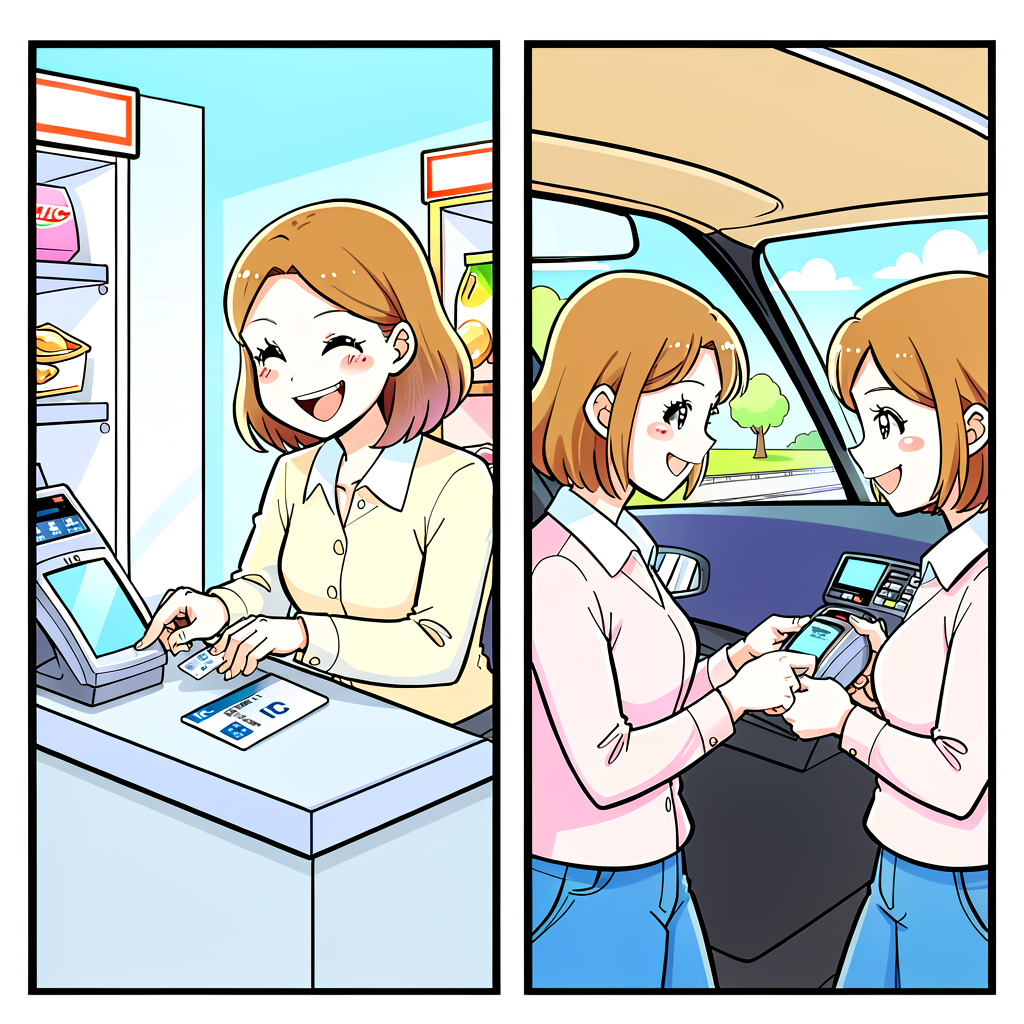
This is where the Tourist Pasmo earns its reputation as a near-complete payment solution. IC cards are widely accepted at:
- Convenience stores — every major chain accepts IC card payment at the register
- Station kiosks and vending machines — most machines inside or near train stations support IC card payment
- Coin lockers — a large number of station lockers now accept IC cards, eliminating the need for exact change
- Taxis — the majority of Tokyo taxis have IC card readers; look for the Suica or Pasmo logo on the vehicle door
- Station-building restaurants and cafés — particularly those in ekinaka (station-interior) shopping areas connected to major hubs
You won’t be able to pay for everything with your IC card — smaller izakayas and independent restaurants often remain cash-only — but for day-to-day urban movement and convenience purchases, it covers the vast majority of transactions.
Hidden Hacks Even Repeat Visitors Miss
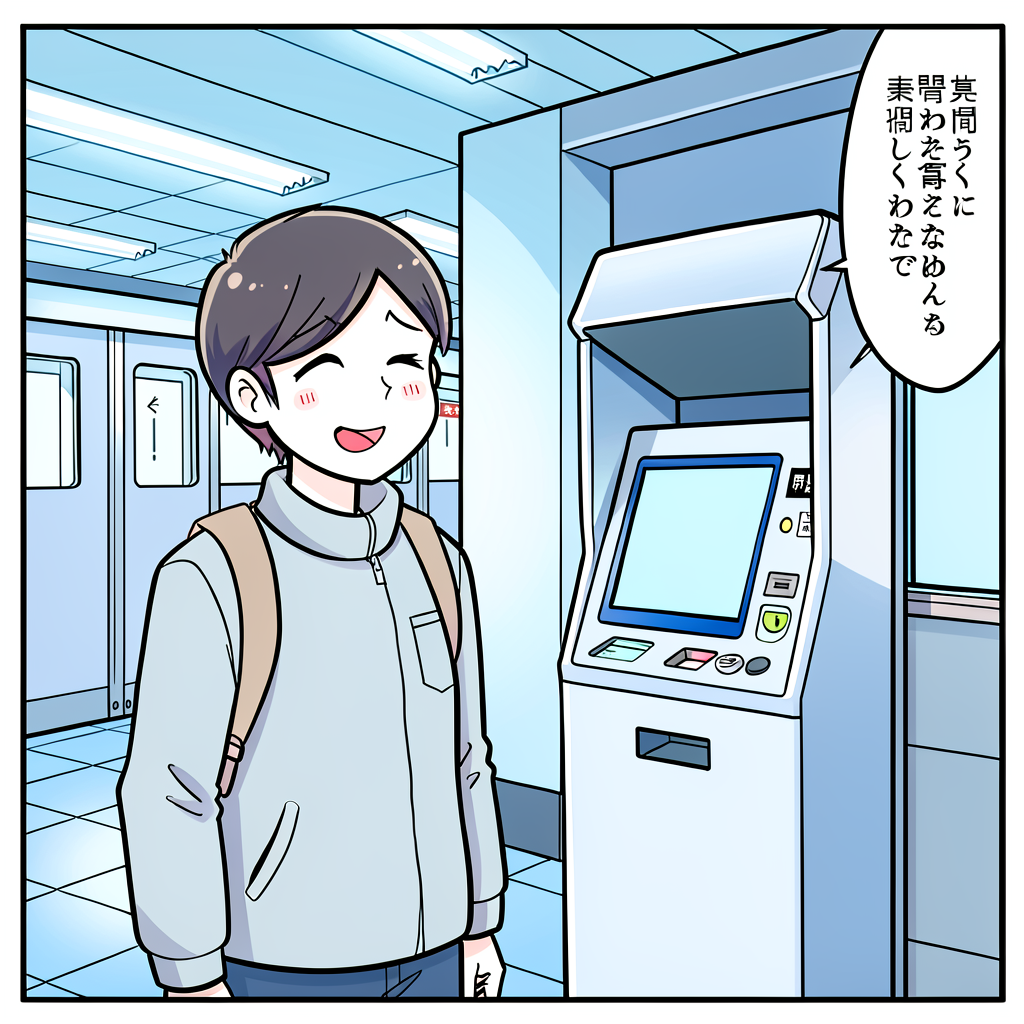
If you’ve been to Tokyo before and think you already know how the system works, these might still catch you off guard.
The Fare Adjustment Machine (精算機)
Accidentally rode past your stop, or found yourself at a station outside your IC card’s coverage zone? The fare adjustment machine (精算機, seisanki) — a small kiosk found near every ticket gate — handles the difference automatically. Insert your card, pay the balance owed, and you’re through the gate. It also rescues you if your card runs out mid-journey. No staff interaction required, no queue.
Already Have a Suica? Keep It
If you have a regular Suica card from a previous trip, there’s no need to buy a Tourist Pasmo. Standard Suica cards remain valid for 10 years from the last time they were used, and can be reloaded at any ticket machine on your return. The balance carries over between visits, and the card works identically to a Tourist Pasmo across all lines and shops. Repeat visitors who already hold a Suica can skip the airport kiosk entirely.
Suica vs. Pasmo: Why Do Both Exist?
Both names circulate in travel guides and both appear at station machines — and most visitors assume there must be some meaningful difference. For tourists in Tokyo: there isn’t. Both work on the same lines and at the same shops. The historical reason for two cards is corporate: Suica was launched by JR East in 2001; Pasmo followed in 2007 as a collaboration between private rail operators. They’ve been mutually compatible since launch. The Tourist Pasmo is the officially designated card for foreign visitors, which is why it’s sold at airports — but if you already have a Suica from a previous trip, it works exactly the same way.
Tokyo Train Etiquette: The Rules Nobody Tells You
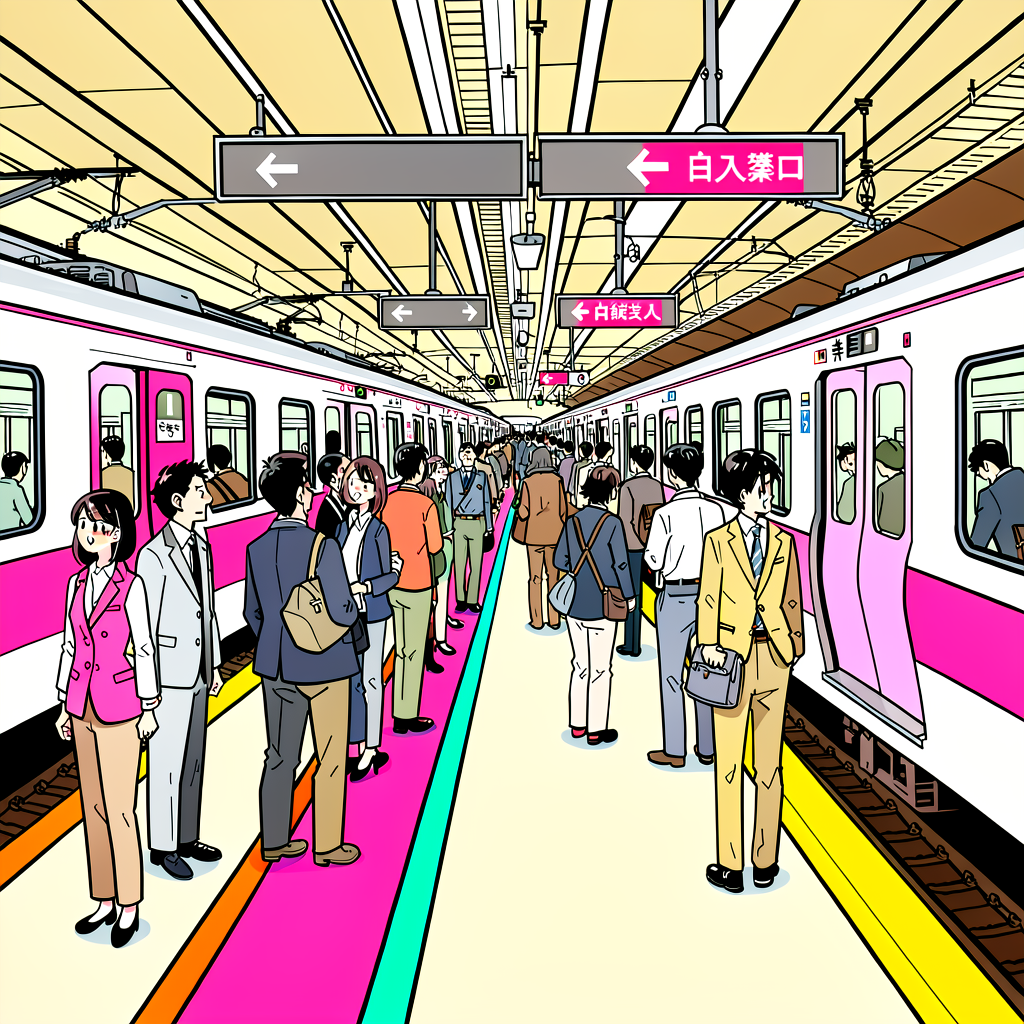
Japan’s train culture runs on an unspoken social contract. Understanding it changes how you experience the city.
Women-Only Cars
Certain carriages on Tokyo’s busiest commuter lines are designated women-only during morning and evening rush hours — typically 7:30–9:30 AM and some evening periods, though schedules vary by line. They’re marked with pink signs on the platform and on the train doors. Male passengers, including male tourists, should not board these cars during those hours. Outside the designated times, anyone can ride.
The “Weak Air-Conditioning” Car (弱冷房車)
On many Tokyo lines, one carriage per train is designated as 弱冷房車 (jaku-reibo-sha) — literally, the “weak air-conditioning car.” The temperature is set a few degrees higher than the rest of the train, for passengers who find standard Japanese summer air-conditioning uncomfortably cold. Look for the sign on the platform. In July and August, this distinction matters more than you’d expect.
Rush Hour Reality
Tokyo’s rush hour — roughly 7:30–9:30 AM and 5:30–8:00 PM on weekdays — is genuinely unlike most visitors have experienced. Trains operate at well over 100% capacity. Stand to the side of the doors, follow the queue lines painted on the platform, and let exiting passengers off before boarding. Luggage is best avoided during peak times; if you can’t avoid it, the first or last carriage is often slightly less packed.
Common Mistakes to Avoid
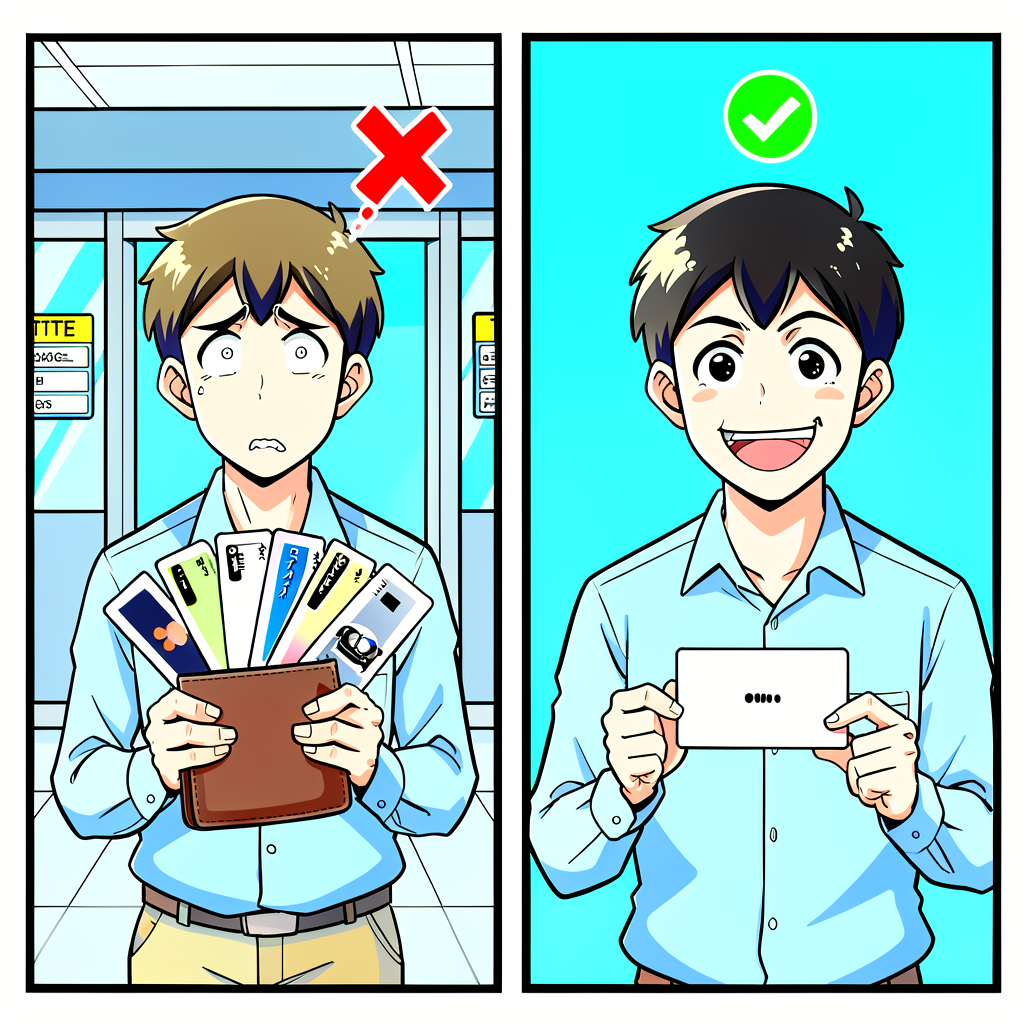
- Tapping with the wrong card — if you have multiple NFC cards in your wallet, always separate your IC card before tapping. The reader can struggle to distinguish between them, causing a gate error.
- Leaving the wrong exit — large stations like Shinjuku have over 200 exits. Check the exit number for your destination before you arrive; exiting at the wrong gate and re-entering costs an extra fare.
- Assuming the JR Pass covers everything — the Japan Rail Pass covers JR lines only. Tokyo Metro and Toei subway lines require a separate IC card or ticket. Many first-timers only discover this at the gate.
- Running low on balance without noticing — the IC card reader beeps differently when your balance is low, but it’s easy to miss in a noisy station. Top up at any ticket machine displaying the IC card logo. There’s usually one on every platform.
Your 2026 Tokyo Transport Checklist
- Pick up a Tourist Pasmo at the airport on arrival (or at a major hub station)
- Load ¥2,000–¥3,000 to start; top up at any ticket machine
- Keep your IC card separate from other NFC cards when tapping gates
- Download Google Maps or the Jorudan app for real-time route planning with fare estimates
- Note your exit number before leaving a large interchange station
- Avoid peak hours (7:30–9:30 AM weekdays) if you’re carrying luggage
- Look for the 弱冷房車 sign on the platform if you want a warmer carriage in summer
Tokyo’s transport system has an intimidating reputation — but that reputation belongs to the paper ticket era. With an IC card and a little context, it becomes one of the most reliable ways to move through any city in the world. The map that seemed so overwhelming on day one? By day three, it starts to make sense.
※ Illustrations in this article are AI-generated and may not represent actual locations, products, or services.