Japan is consistently ranked as one of the safest travel destinations in the world. However, if you are planning a trip—especially given the recent seismic activity in early 2026—you might be wondering about earthquakes. While feeling the ground shake can be a startling experience, there is no need to cancel your trip or panic.
The country has spent decades developing world-class infrastructure and advanced early warning systems to protect both residents and visitors. In this guide, we’ll explain why Japan is prone to earthquakes, the incredible technology keeping you safe, and exact, practical steps on what to do if an earthquake hits while you are sightseeing.
Why is Japan an “Earthquake Nation”?
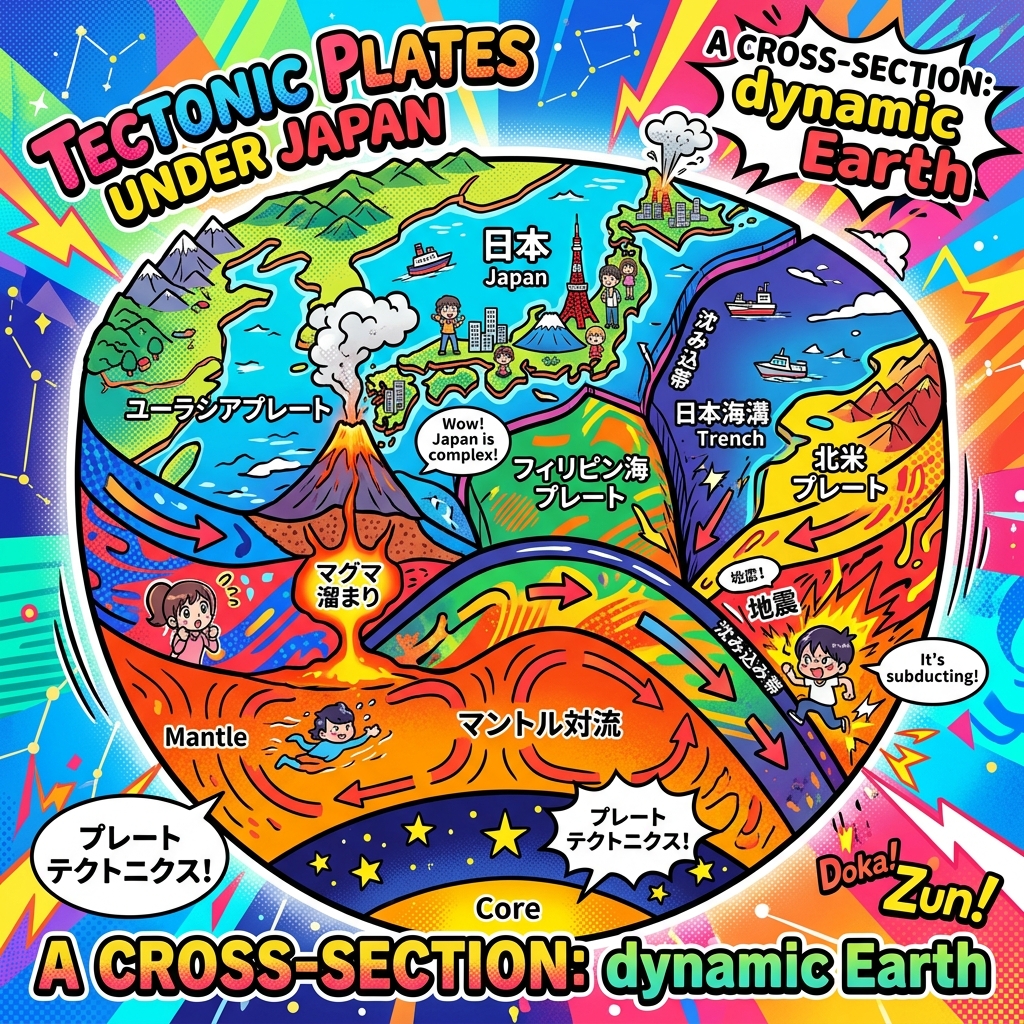
Japan’s unique geography is the main reason it experiences frequent earthquakes. The Japanese archipelago sits on the Pacific Ring of Fire and rests over the convergence of four major tectonic plates: the Pacific Plate, the Philippine Sea Plate, the Eurasian Plate, and the North American Plate.
As these plates constantly shift and grind against each other, the accumulated stress is eventually released in the form of seismic waves. While this sounds intimidating, it is also the very same geological activity that gives Japan its breathtaking mountains, deeply rooted hot spring (onsen) culture, and fertile volcanic soil.
The High-Tech Systems Keeping You Safe
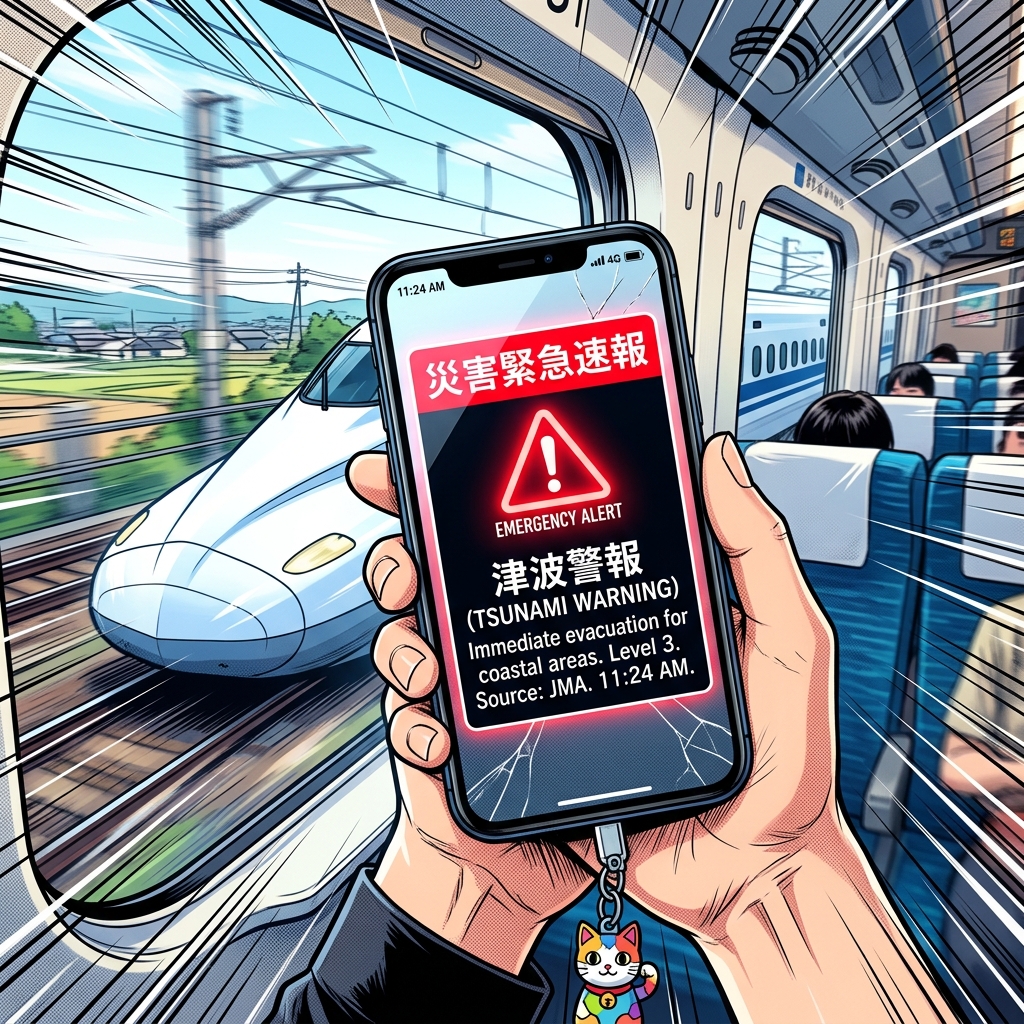
Because earthquakes are a part of daily life, Japan has integrated safety into every aspect of its infrastructure. Here are a few ways the country prepares for the unexpected:
- Early Warning System (EEW): Japan’s Meteorological Agency operates a highly sophisticated network of seismographs. If a significant quake is detected, alerts are instantly sent to smartphones, TVs, and public loudspeakers, giving you precious seconds to take cover before the strong shaking begins.
- Automated Transport Stops: The legendary Shinkansen (bullet trains) are equipped with the “UrEDAS” early detection system. The moment initial seismic waves are detected, the power is cut, and emergency brakes are automatically applied, preventing derailments even at speeds of 300 km/h.
- World-Class Architecture: Modern Japanese buildings are marvels of engineering. They use shock absorbers, flexible foundations, and massive pendulums to sway with the tremor rather than snap. If you are in a high-rise building during a quake, the swaying is actually a sign that the building’s safety features are working perfectly!
What to Do If an Earthquake Hits While Sightseeing
Knowing what to do and where to go can make all the difference. Here is your action plan for common tourist scenarios:
On the Shinkansen or Local Trains
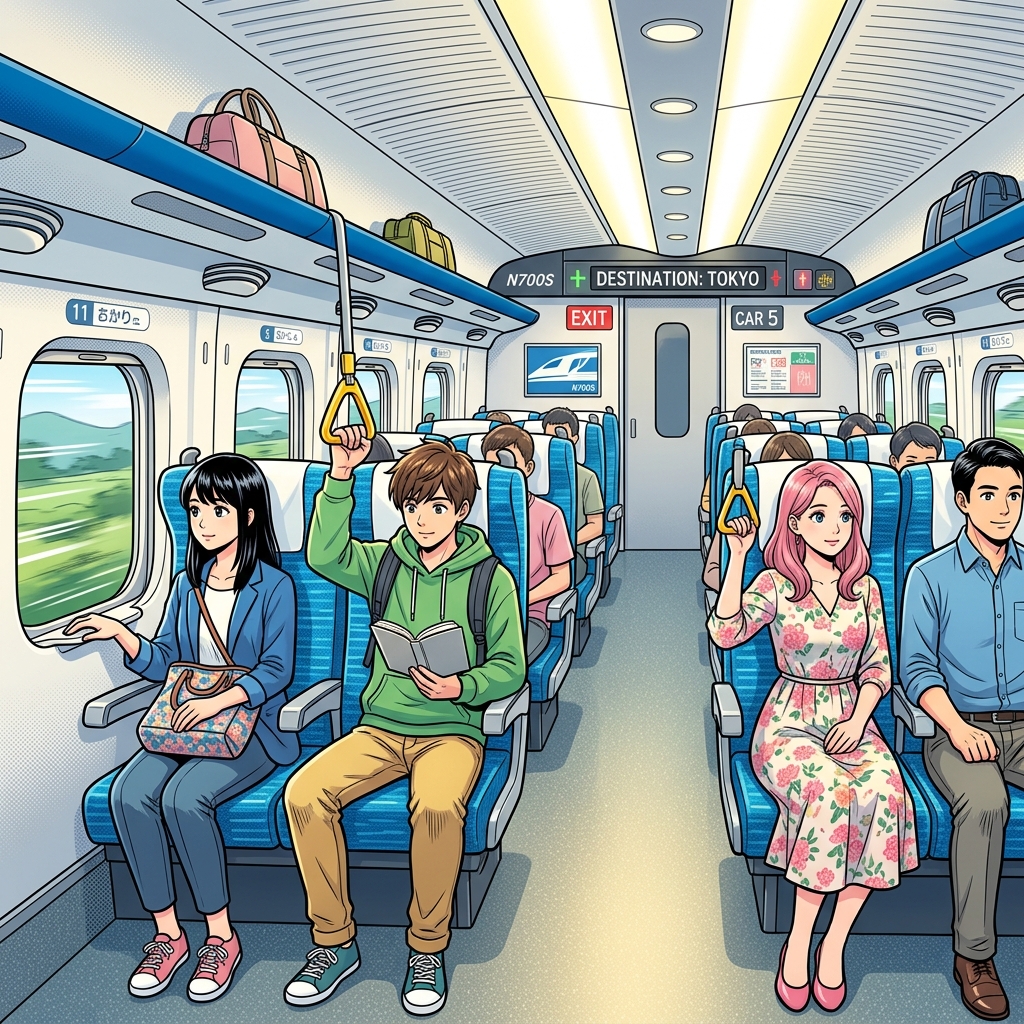
If you are on a train and an earthquake strikes, the train will likely make a sudden, emergency stop. Do not panic and do not try to force the doors open. Sit down if you can, or hold on tightly to the handrails and straps. Wait for the announcements from the train staff, who are highly trained for these exact situations. If the train stops between stations, you may need to wait inside until the tracks are inspected for safety.
Inside an Underground Mall or Department Store
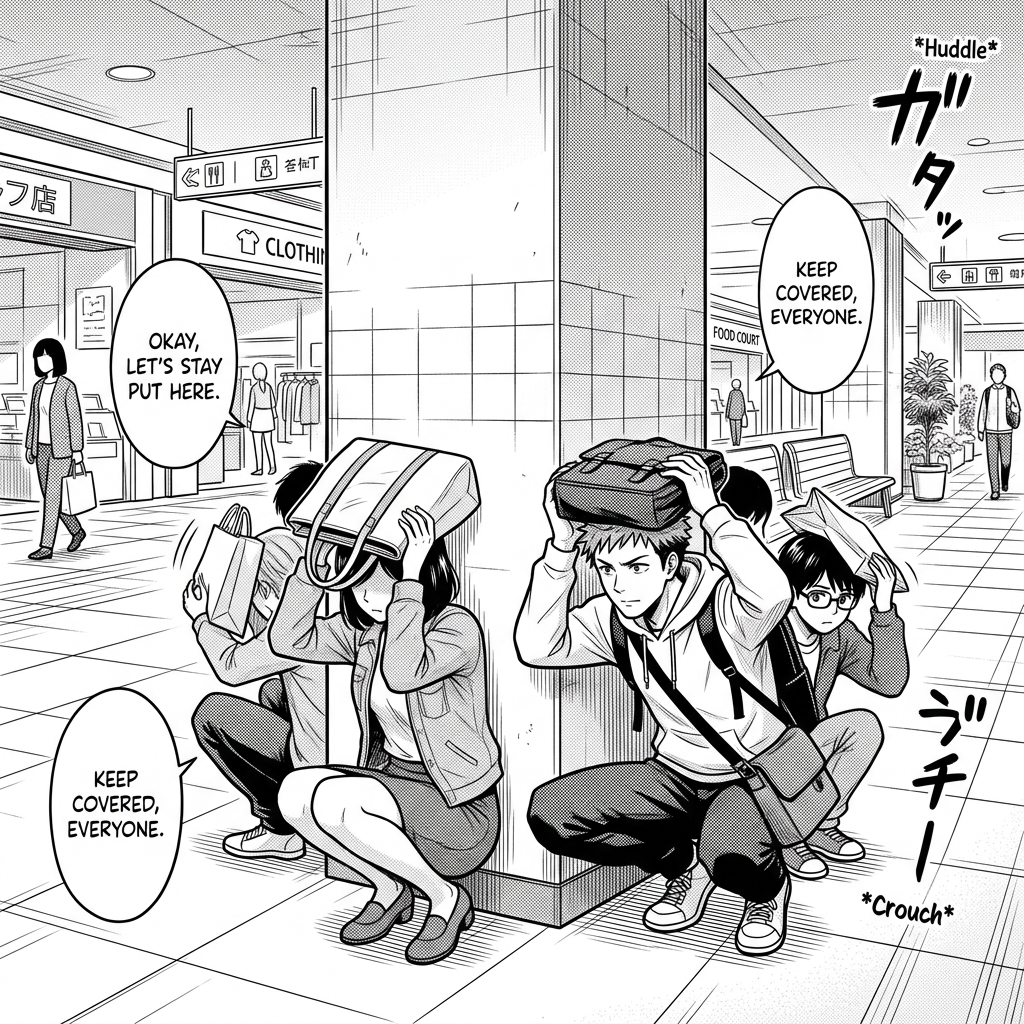
Major stations like Shinjuku and Tokyo are famous for their sprawling underground malls. If an earthquake occurs, do not rush to the exits, as this can cause a dangerous stampede. Instead, move away from glass display windows and heavy signs. Protect your head with your bag or a jacket, and crouch near a sturdy pillar or wall. Wait for instructions over the public address system.
High-Rise Buildings and Observation Decks
If you are enjoying the view from Tokyo Skytree or Shibuya Sky, stay calm. Do not use the elevators, as they will automatically shut down for safety inspections. Move away from the windows and crouch down. The building will sway—this is intentional and safe. Once the shaking stops, staff will guide you to safety using emergency stairwells if necessary.
Practical Tips & Hacks for Tourists
Preparation is key. Here are some quick, practical hacks every tourist should know before arriving in Japan:
The “Konbini” Safe Station
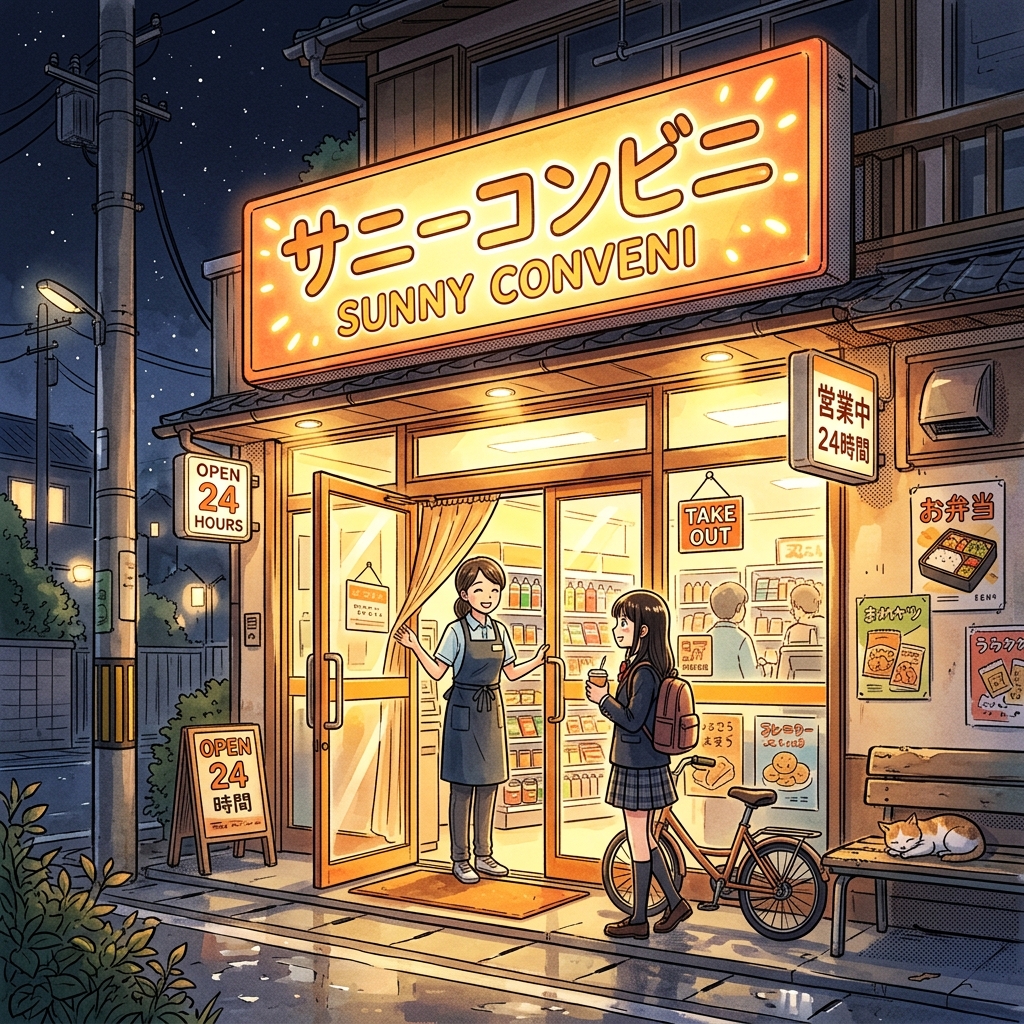
If you find yourself stuck outside, look for the nearest convenience store (Konbini) like 7-Eleven, FamilyMart, or Lawson. Many konbinis serve as designated “Disaster Support Stations” (災害時帰宅支援ステーション). They can provide tap water, restroom access, and the latest emergency information on their radios.
Essential Apps and Free Wi-Fi
Before you arrive in Japan, download the “Safety tips” app by the Japan Tourism Agency. It provides push notifications for earthquake early warnings and tsunami advisories in multiple languages.
In the event of a major disaster, major telecom providers unlock a public, free Wi-Fi network called 00000JAPAN (Five Zeros Japan). Simply go to your phone’s Wi-Fi settings, select “00000JAPAN”, and you will be instantly connected to the internet to contact your family or check online maps for the nearest designated evacuation area (避難所 – Hinanjyo).
While an earthquake can be surprising, remembering these simple tips will ensure you stay safe, informed, and ready to continue enjoying your amazing trip to Japan.