Introduction
If you are planning to visit Tokyo in June or early July, you might be worried about the weather. This period is known as *Tsuyu* (梅雨), Japan’s rainy season. But don’t let the forecast discourage you! With the right preparation and mindset, Tokyo during *Tsuyu* reveals a different, more poetic kind of beauty that you won’t see at any other time of the year.
This guide will walk you through what to expect during the rainy season in Tokyo, how to stay comfortable in the humidity, and why this damp season is actually deeply cherished in Japanese culture.
☔ Tokyo Tsuyu Survival Quiz
What is Tsuyu? The “Plum Rain” Season
Tsuyu typically begins in early June and lasts until mid-July. The word itself translates to “plum rain,” as the season coincides with the ripening of Japanese plums (ume).
Instead of torrential downpours all day long, you can expect overcast skies, frequent drizzly showers, and most notably, high humidity. But here’s the upside: the rain makes the city’s parks, gardens, and temple grounds incredibly lush and vibrant. It’s also less crowded and generally more affordable than the peak tourist seasons of spring and autumn.
The Aesthetics of Rain: Wabi-Sabi and Tsuyu Culture
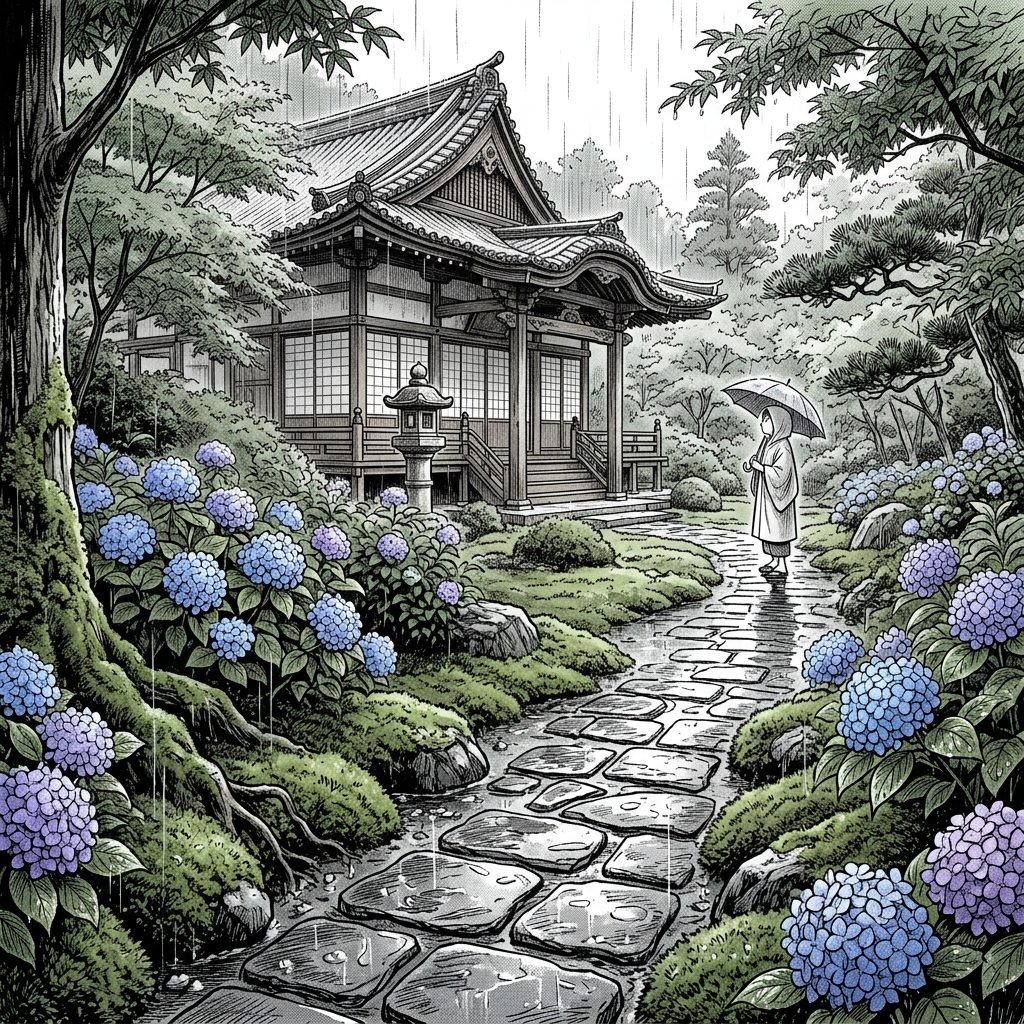
In Western cultures, rain is often seen as a gloomy inconvenience. In Japan, however, rain has long been appreciated for its atmospheric beauty, deeply connected to the concept of *wabi-sabi*—finding beauty in imperfection, impermanence, and the natural cycle of life.
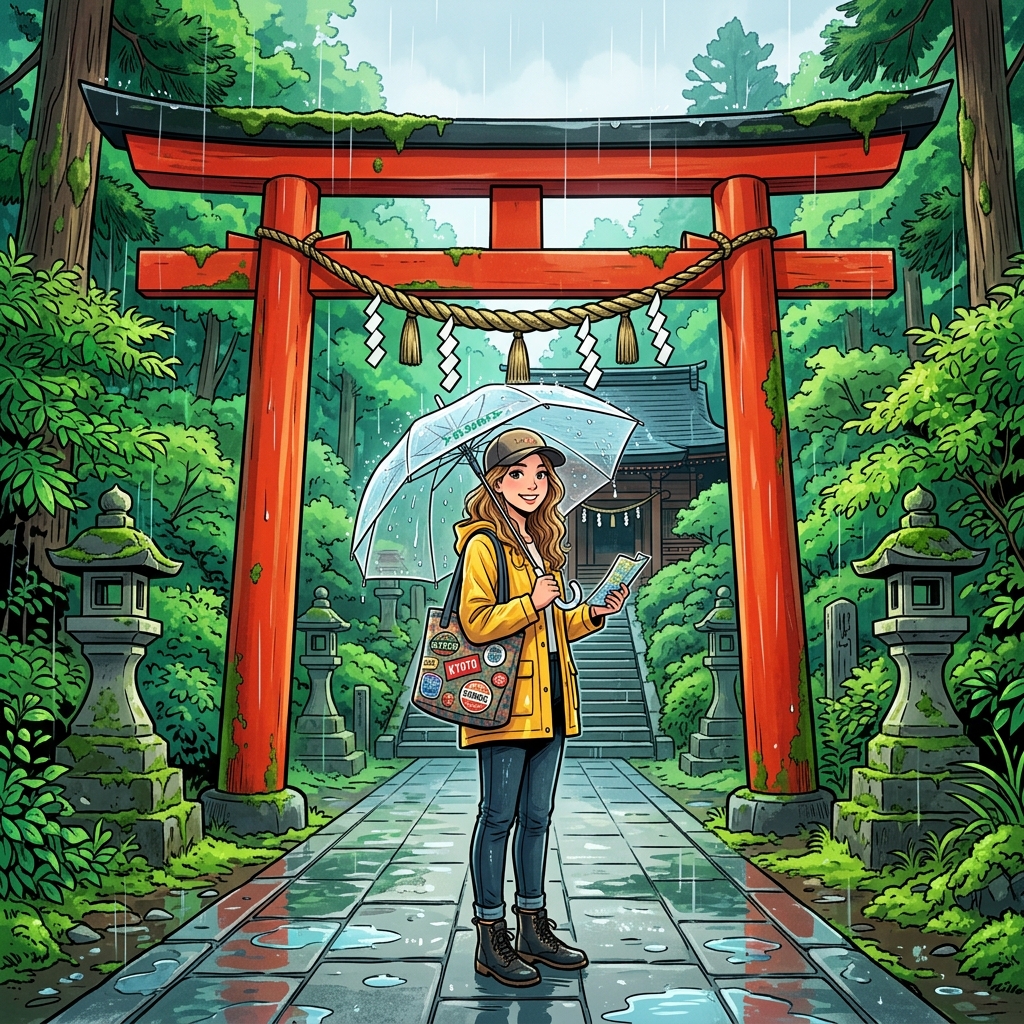
When the rain falls, Tokyo’s bustling energy softens. The colors of the city deepen, and the wet stone paths of shrines glisten. This is the perfect time to slow down, listen to the rhythmic sound of the raindrops, and appreciate the quieter, more introspective side of Japan.
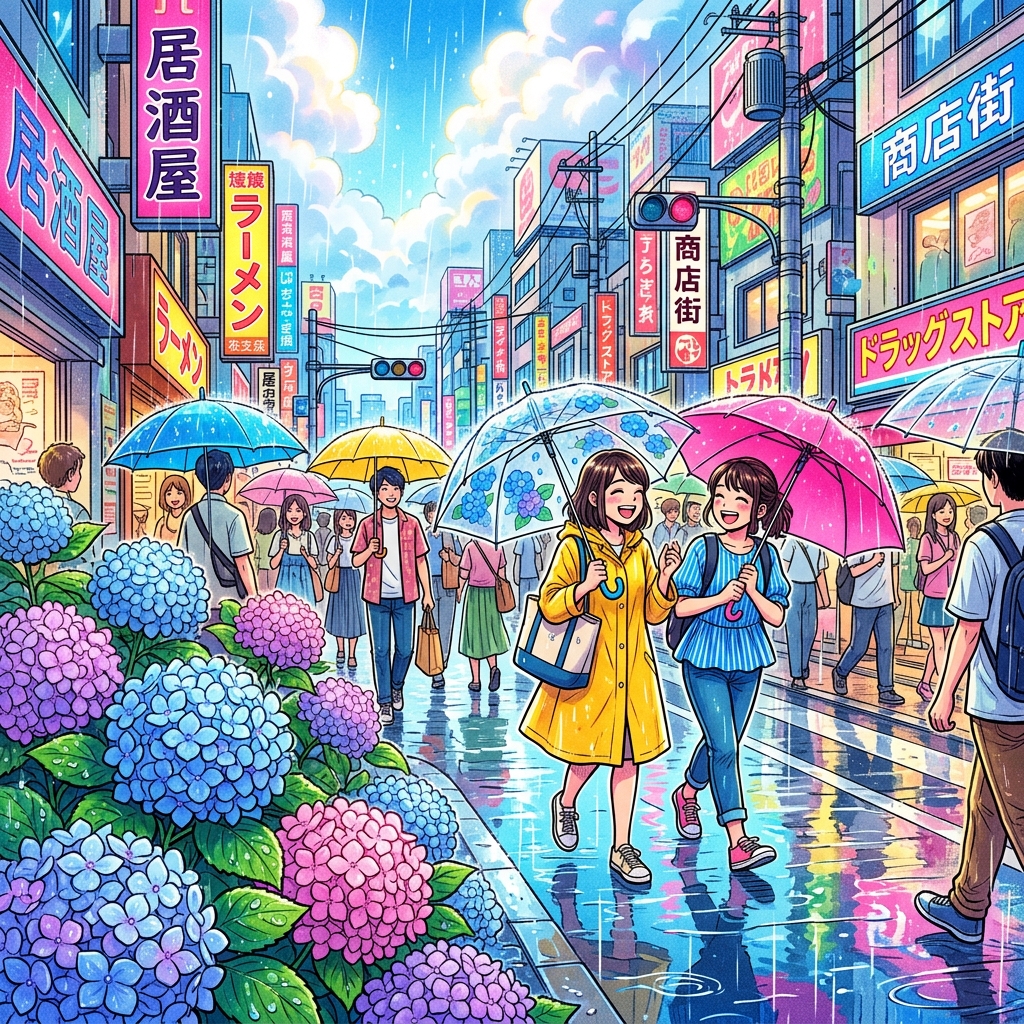
The undisputed star of the rainy season is the Hydrangea (*Ajisai*). These flowers thrive in the moisture, blooming in vivid shades of blue, purple, and pink. Visiting a local shrine or park (like Hakusan Shrine in Tokyo or making a day trip to Kamakura) to see the hydrangeas in full bloom is a beloved *Tsuyu* tradition.
Taste the Season: Tsuyu Wagashi and Comfort Food
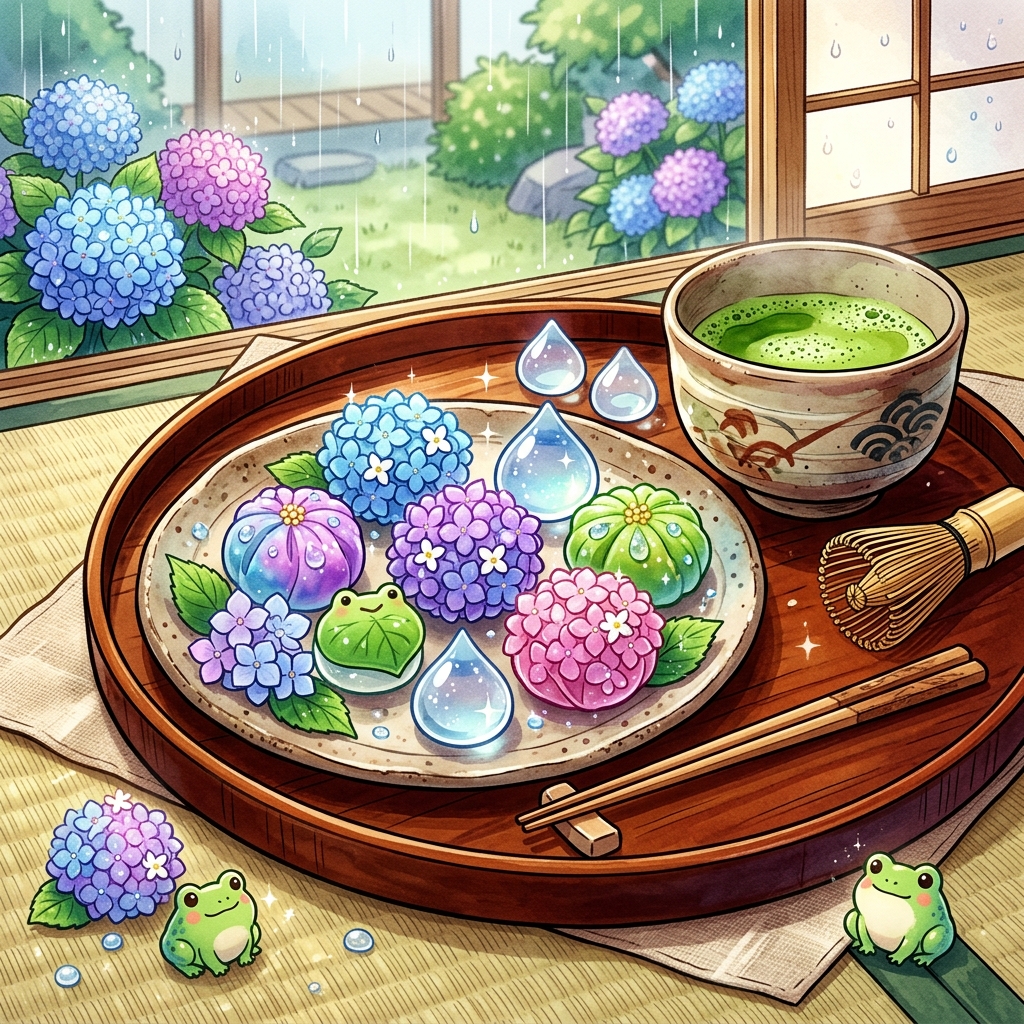
Japanese culture celebrates the changing seasons through food, and *Tsuyu* is no exception. This is the perfect time to explore *Wagashi* (traditional Japanese sweets).
Walk into any traditional sweets shop in June, and you will see beautiful, jewel-like confections crafted to resemble blooming hydrangeas or glistening raindrops. Another must-try is Minazuki, a triangular sweet made of steamed rice cake topped with red beans, traditionally eaten on June 30th to ward off summer exhaustion and wish for good health.
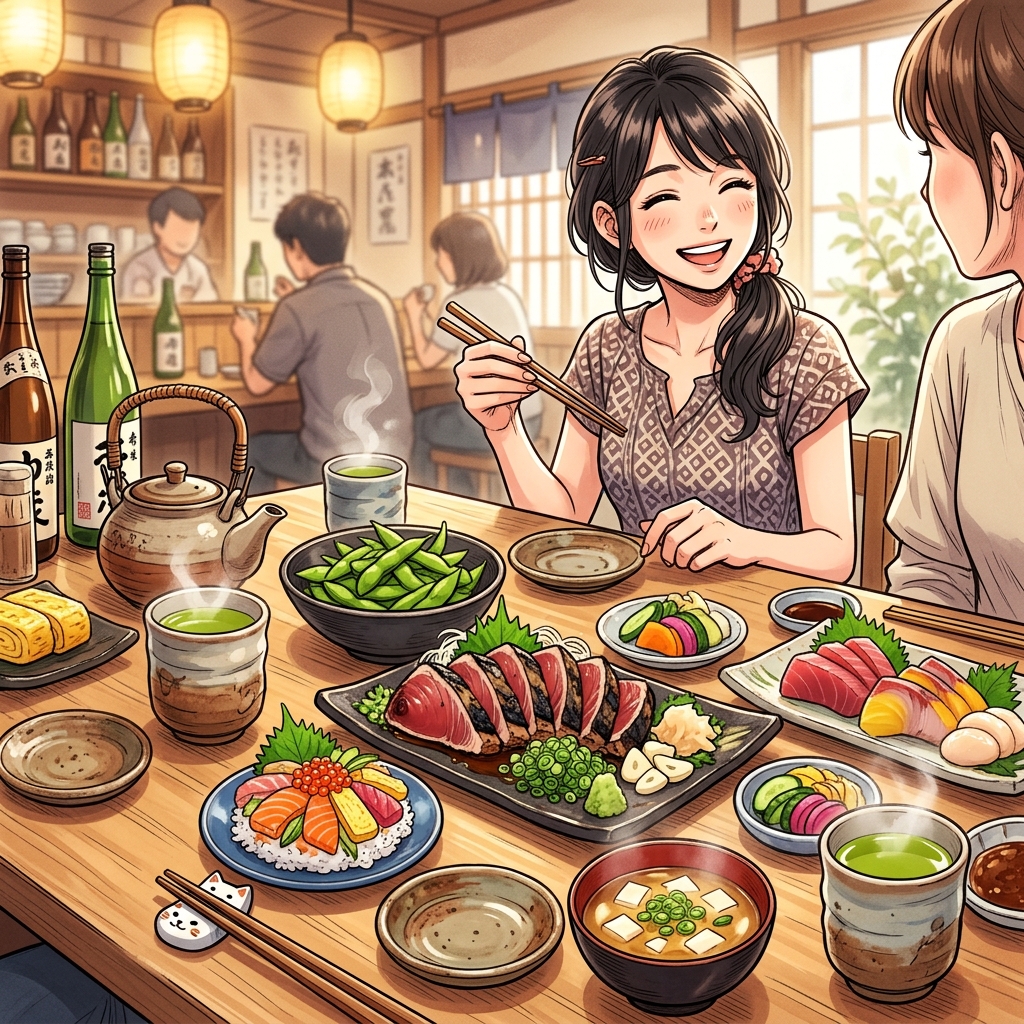
For savory meals, embrace the contrast. On muggy, humid days, cool down with refreshing chilled noodles like Zaru Soba or Somen. When a sudden chill accompanies the rain, nothing is more comforting than ducking into a cozy ramen shop for a steaming bowl of rich broth.
How to Survive (and Thrive) in Tokyo’s Humidity
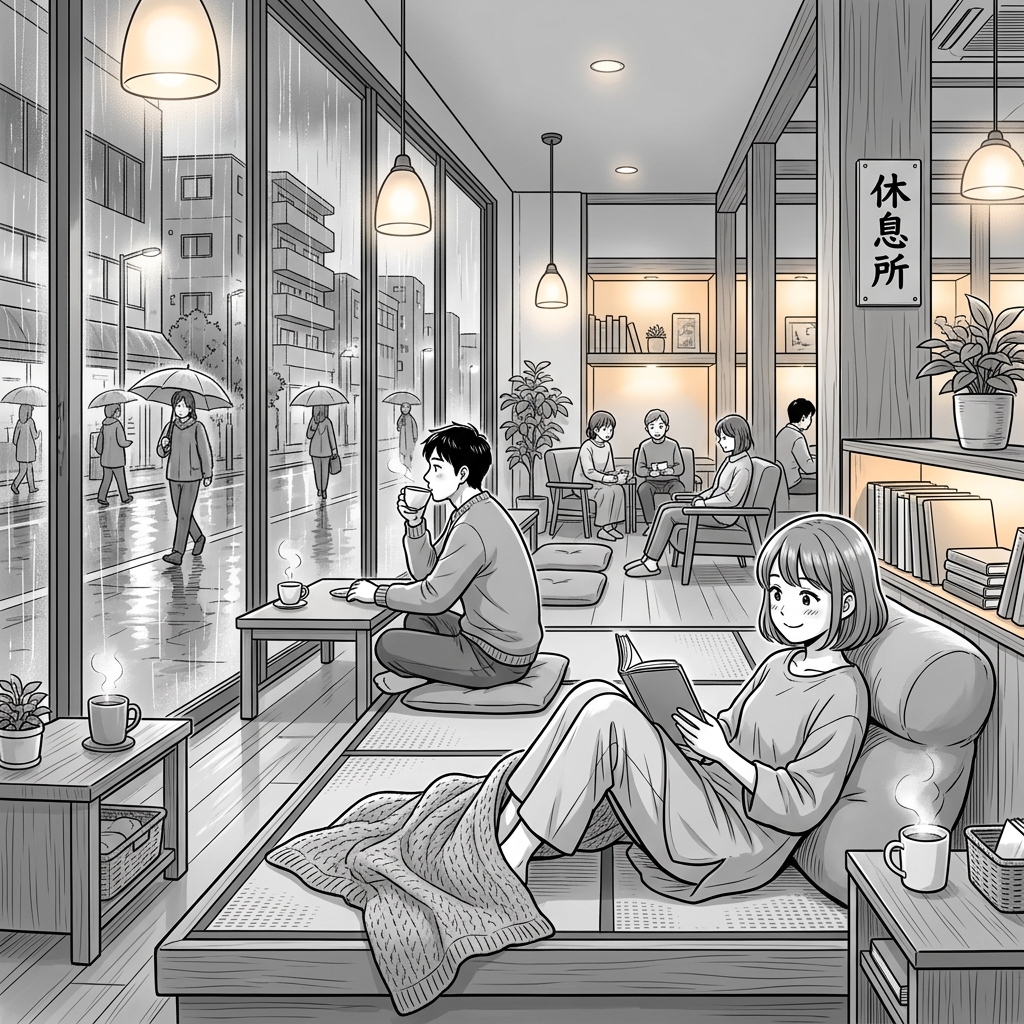
The real challenge of *Tsuyu* isn’t the rain—it’s the humidity. Here are some essential tips for staying comfortable while exploring Tokyo:
* Embrace the Konbini Umbrella: Don’t bother packing a heavy umbrella. The moment it starts raining, pop into any convenience store (7-Eleven, FamilyMart, Lawson) and buy a clear plastic umbrella for about 500-700 yen. They are sturdy, provide great visibility, and are a staple of Tokyo city life.
* Dress for the Mug: Pack lightweight, breathable, and quick-drying clothing (like linen or moisture-wicking fabrics). Avoid heavy denim.
* Water-Resistant Footwear: Bring comfortable walking shoes that can handle puddles. Avoid canvas shoes that take days to dry.
* Utilize Indoor Havens: Tokyo is built for rain. Use the extensive underground walking networks around major hubs like Shinjuku, Shibuya, and Tokyo Station. If a heavy shower hits, pivot to indoor activities like museums (e.g., teamLab Planets, Tokyo National Museum), indoor shopping complexes, or spend an afternoon relaxing in a super sento (large public bathhouse).

Tokyo in the rain is not a ruined vacation; it is an invitation to experience the city at a different, more atmospheric pace. So grab a clear umbrella, seek out the blooming hydrangeas, and discover the hidden charm of Tsuyu.