Tokyo is not just a single city; it is a massive collection of distinct “cities,” each with its own unique personality, culture, and rhythm. Looking at the subway map can be overwhelming, but once you understand the “vibes” of these districts, planning your itinerary becomes effortless.
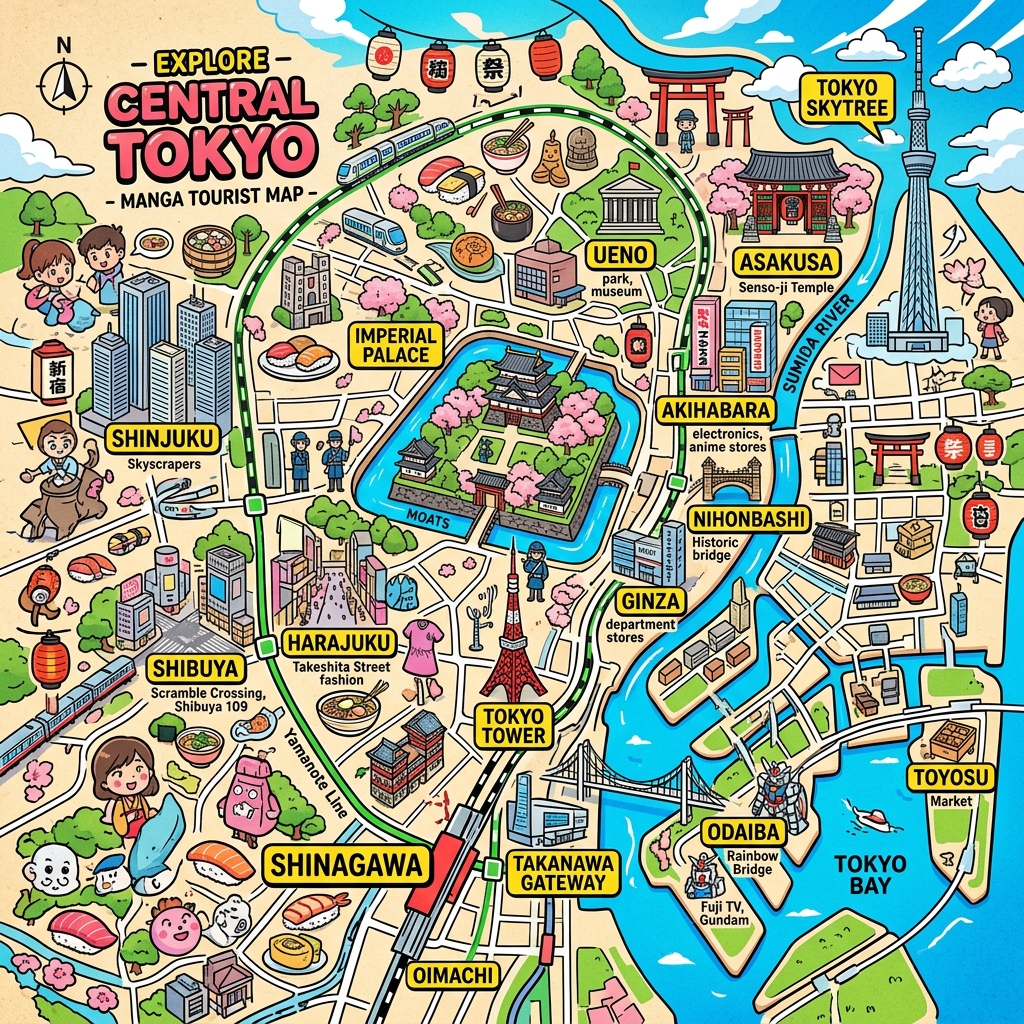
Whether you are looking for high-end luxury, geek culture, family-friendly spaces, or the authentic local lifestyle, here is our ultimate guide to the 6 faces of Tokyo in 2026.
- 1. The Heritage & Retro: Step Back in Time
- 2. The Luxury & Refined: High-End Shopping and Dining
- 3. The Pop-Culture & Tech: The Geeks’ Paradise
- 4. The Family Fun & Future City: Spacious and Relaxing
- 5. The Trendsetter & Indie: Youth Culture and Vintage
- 6. The Local Favorites: Authentic Everyday Life
- 2026 Practical Hacks for Getting Around
1. The Heritage & Retro: Step Back in Time
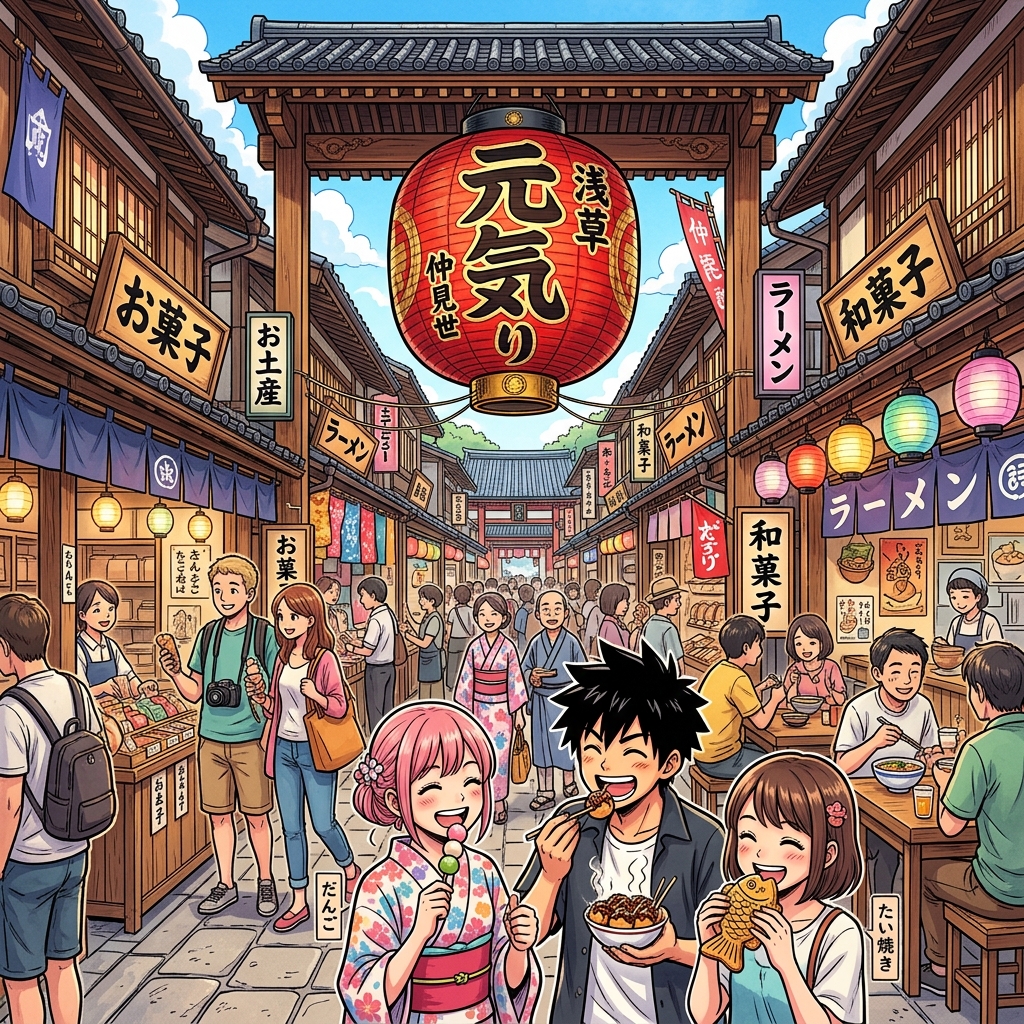
If you want to experience the soul of old Edo and the nostalgic Showa-era charm, head to the eastern and northern parts of central Tokyo. This area is perfect for history buffs and street-food lovers.
Key Neighborhoods:
- Asakusa: The undisputed king of traditional tourism, home to Senso-ji Temple and bustling Nakamise shopping street.
- Ueno: A cultural hub featuring massive parks, world-class museums, and the chaotic, energetic Ameyoko street market.
- Yanesen (Yanaka, Nezu, Sendagi): Tokyo’s best-kept secret for a quiet, retro stroll. Think narrow alleys, old wooden houses, stray cats, and nostalgic snacks.
2. The Luxury & Refined: High-End Shopping and Dining
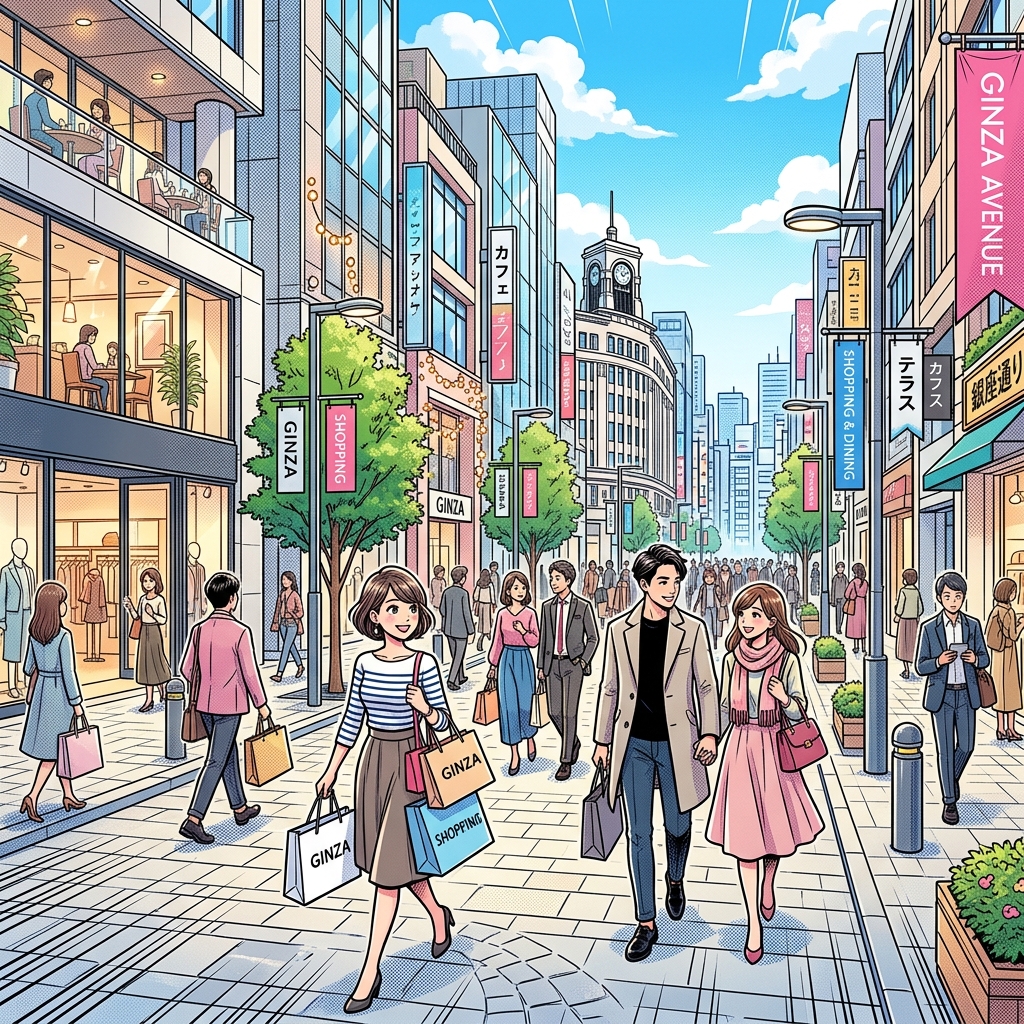
For those who appreciate the finer things in life, immaculate customer service, and architectural beauty, these districts offer a premium, adult-oriented atmosphere.
Key Neighborhoods:
- Ginza: Tokyo’s premier luxury shopping district. On weekends, the main street is closed to cars, creating a massive pedestrian paradise.
- Nihonbashi: Where traditional craftsmanship meets modern finance. It’s perfect for finding high-quality Japanese knives, tea, and centuries-old restaurants.
- Omotesando: The “Champs-Élysées of Tokyo.” A beautiful tree-lined avenue featuring striking flagship stores of global fashion brands.
3. The Pop-Culture & Tech: The Geeks’ Paradise
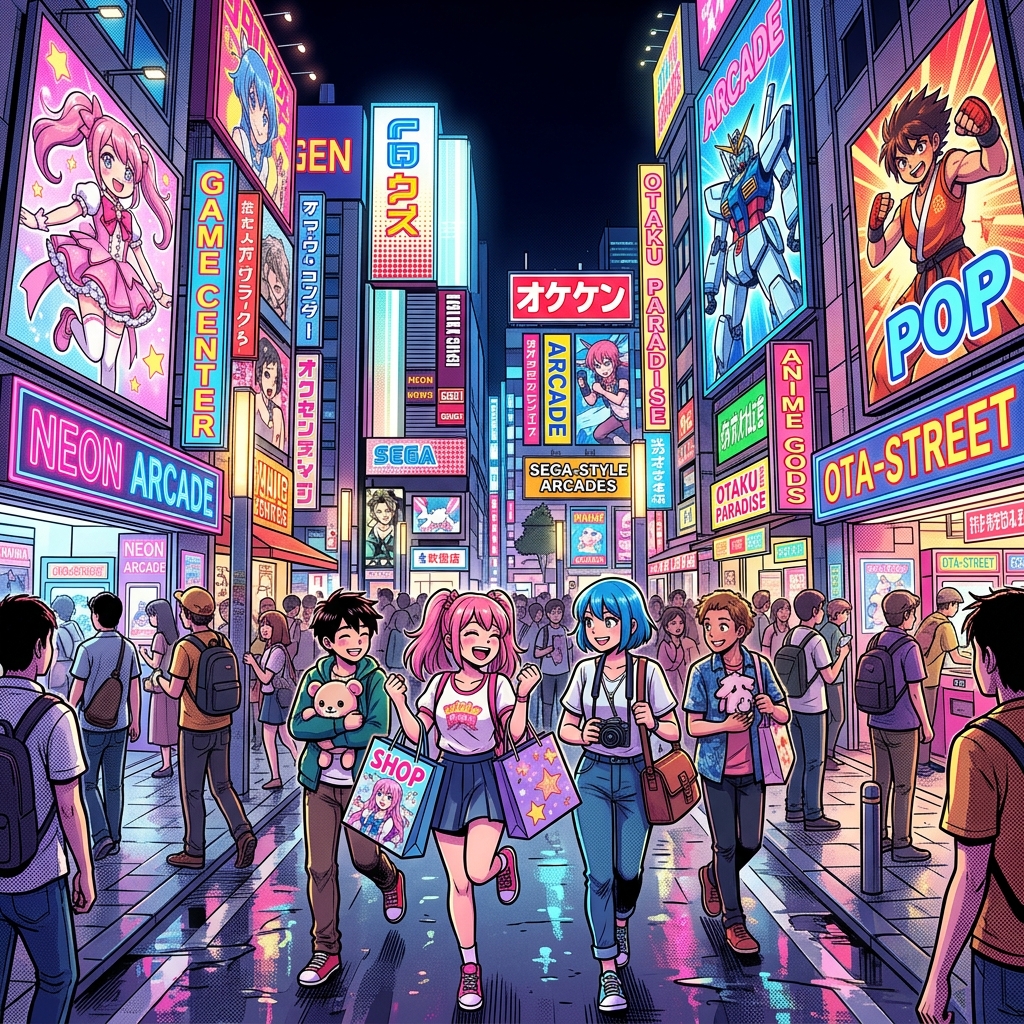
Japan is the undisputed capital of anime, gaming, and quirky hobbies. These neon-lit districts are where subcultures thrive.
Key Neighborhoods:
- Akihabara: The original electric town and anime mecca. Filled with maid cafes, massive arcade centers, and endless rows of collectible figures.
- Ikebukuro: A massive entertainment hub famous for “Otome Road” (geared towards female anime fans), huge shopping complexes, and indoor theme parks.
- Nakano (Nakano Broadway): A deeper, slightly more underground vibe. It is a treasure trove for rare vintage toys, watches, and manga.
4. The Family Fun & Future City: Spacious and Relaxing
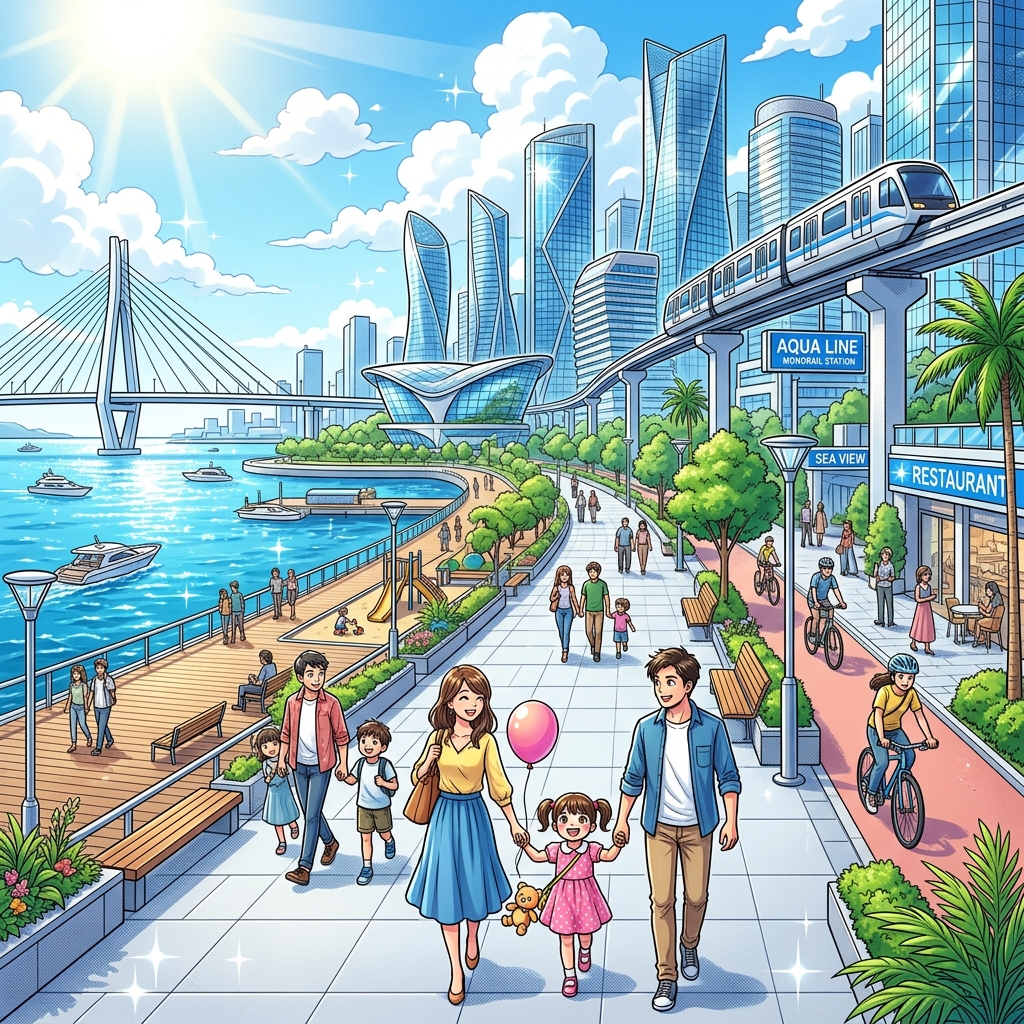
If you are traveling with children or prefer wide-open spaces away from the cramped city center, the Bay Area and newly developed southern hubs are your best bet.
Key Neighborhoods:
- Toyosu & Ariake: Built on reclaimed land, this area boasts the Toyosu Fish Market, teamLab Planets, massive shopping malls, and wide, stroller-friendly sidewalks.
- Odaiba: A futuristic island featuring a giant Gundam statue, science museums, and waterfront parks with views of the Rainbow Bridge.
- Oimachi & Takanawa Gateway: Newly modernized transport hubs offering a mix of high-tech facilities, family dining, and clean, accessible infrastructure.
5. The Trendsetter & Indie: Youth Culture and Vintage
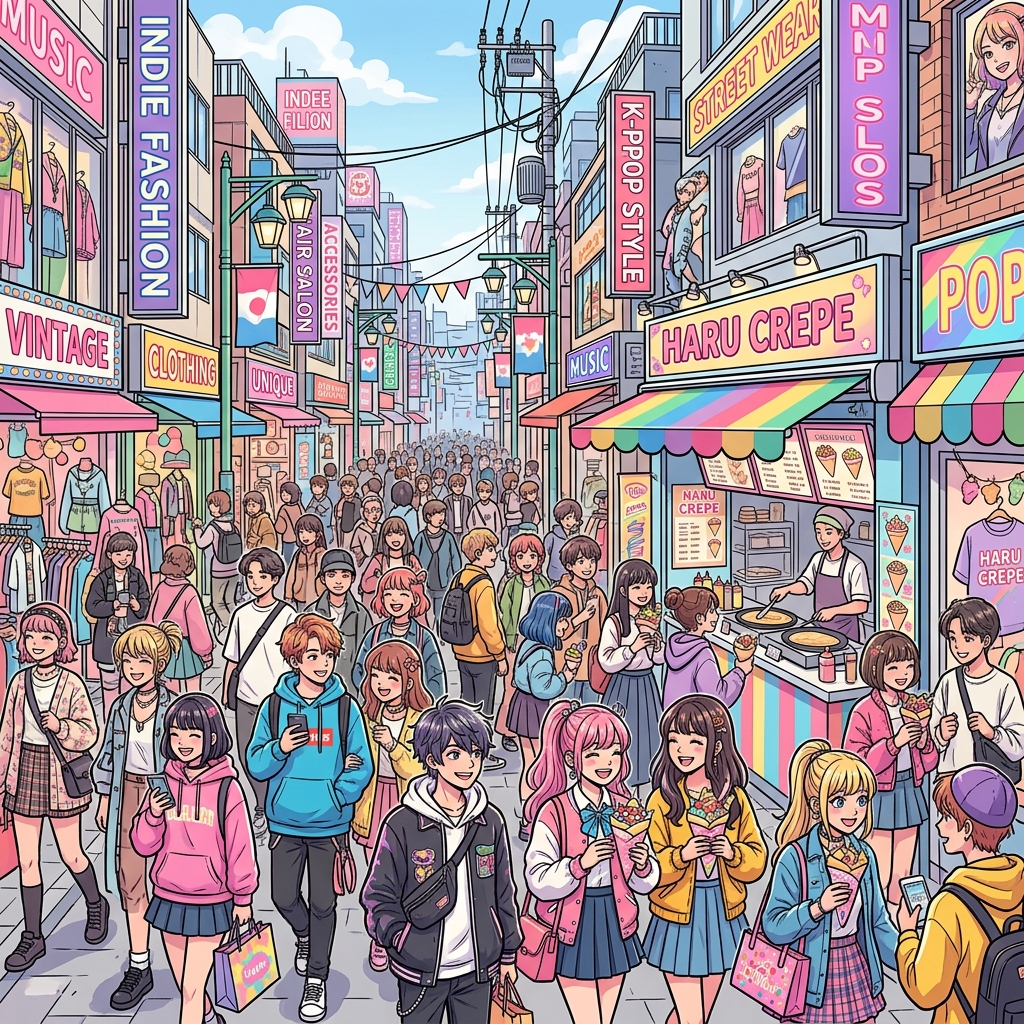
To see what young Tokyoites are wearing, listening to, and eating right now, you need to head to the trendy western neighborhoods.
Key Neighborhoods:
- Shibuya: The heartbeat of youth culture. Beyond the famous Scramble Crossing, it offers endless trendy cafes, nightlife, and cutting-edge fashion.
- Shimokitazawa: The bohemian capital of Tokyo. It is world-famous for its incredible density of vintage clothing stores, indie record shops, and live music venues.
- Harajuku: The birthplace of “Kawaii” culture, featuring quirky street food and highly expressive fashion.
6. The Local Favorites: Authentic Everyday Life
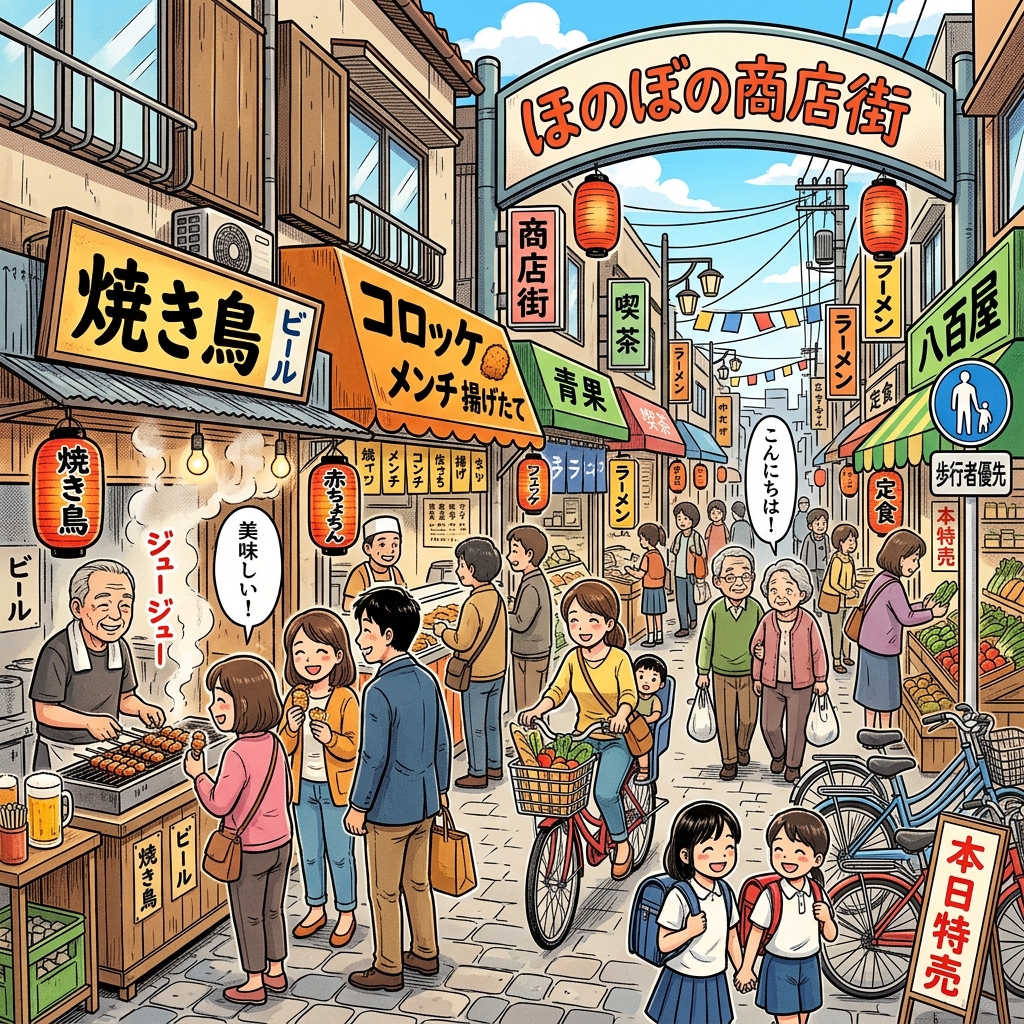
Want to see where Tokyoites actually *live* and hang out on their days off? These areas are famous for their amazing “Shotengai” (local shopping streets) and laid-back atmospheres.
Key Neighborhoods:
- Kichijoji: Consistently ranked as the #1 place Tokyoites want to live. It features the beautiful Inokashira Park, quirky cafes, and the atmospheric Harmonica Yokocho dining alley.
- Togoshi-Ginza: Home to one of the longest and most famous local shopping streets in Tokyo. It’s a paradise for cheap, delicious street food like croquettes and yakitori.
- Kitasenju: A highly popular, down-to-earth neighborhood in the north. It perfectly blends old-school public baths (sento) with hidden, high-quality local izakayas.
2026 Practical Hacks for Getting Around
To make your neighborhood-hopping seamless, keep these 2026 travel updates in mind:
- Suica and Pasmo are back: The IC card shortage is over. Grab a physical card or add it to your Apple/Google Wallet for effortless train travel.
- Avoid Rush Hour: The trains between 7:30 AM and 9:00 AM are incredibly crowded. Plan to have breakfast near your hotel and start traveling after 9:30 AM.
- Use Coin Lockers & Delivery: Navigating crowded areas like Shibuya or Asakusa with heavy luggage is exhausting. Use station coin lockers, or better yet, use baggage forwarding services (Takuhaibin) to send luggage directly to your next hotel.