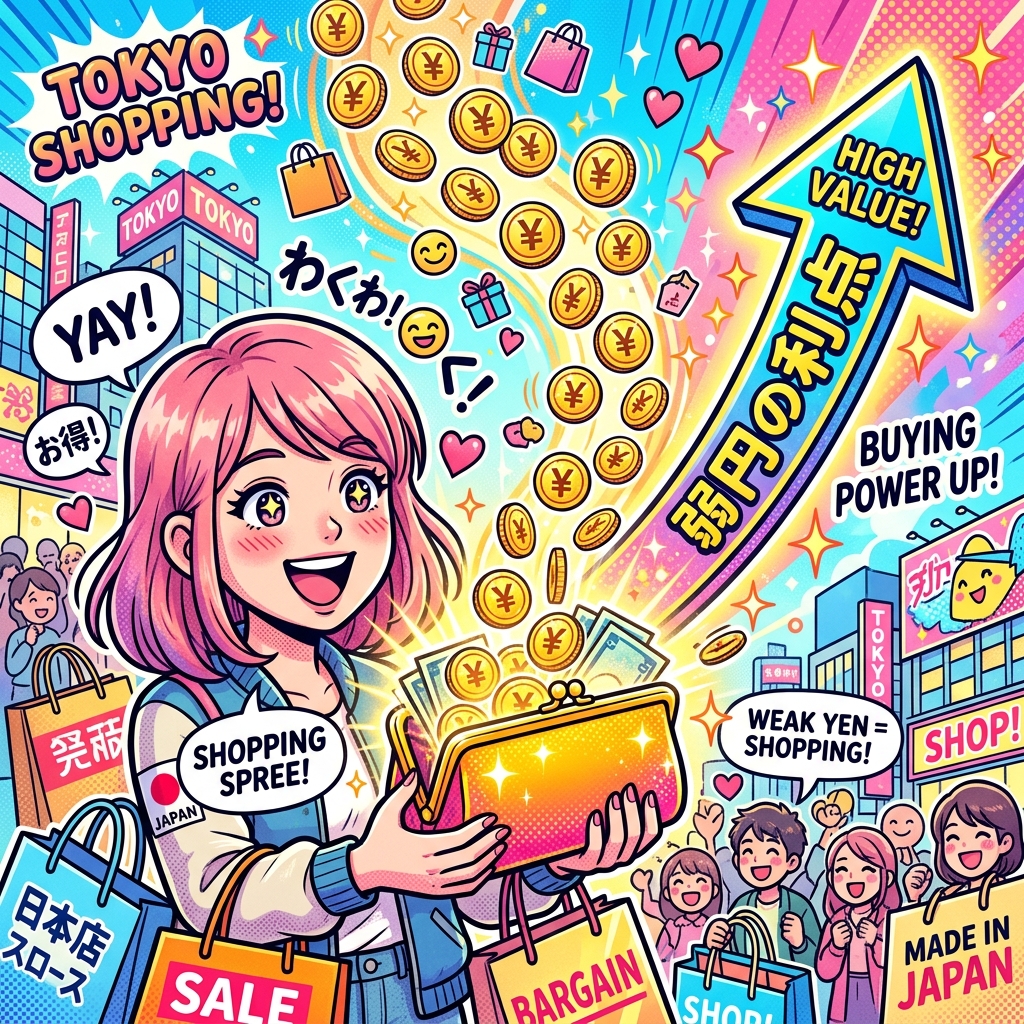
The historic depreciation of the Japanese yen in 2026—recently dipping into the 160-yen range against the US dollar—has triggered a massive travel boom. But for savvy travelers, the weak yen isn’t just about cheaper hotels and food; it has transformed Tokyo into the undisputed global capital for luxury secondhand and vintage shopping.
If you have ever dreamed of scoring a pristine designer bag, a classic luxury watch, or rare 90s streetwear, there has never been a better time to pack an empty suitcase and head to Japan.
Why Buy Secondhand in Japan?
Japan’s secondhand market is legendary for two main reasons: exceptional condition and strict authenticity. Japanese consumers are known for taking meticulous care of their luxury goods, often keeping original boxes, dust bags, and authenticity cards.
Furthermore, Japan has extremely strict laws against counterfeit goods. Licensed secondhand dealers (“kobutsu-sho”) employ expert appraisers, ensuring that what you buy is 100% authentic. This peace of mind, combined with the favorable exchange rate, creates an unbeatable shopping environment.
The Best Areas for Vintage & Thrift Shopping
Tokyo is a massive city, and the thrifting scene is generally divided by style and neighborhood.
1. Omotesando & Aoyama: The High-End Curated Boutiques
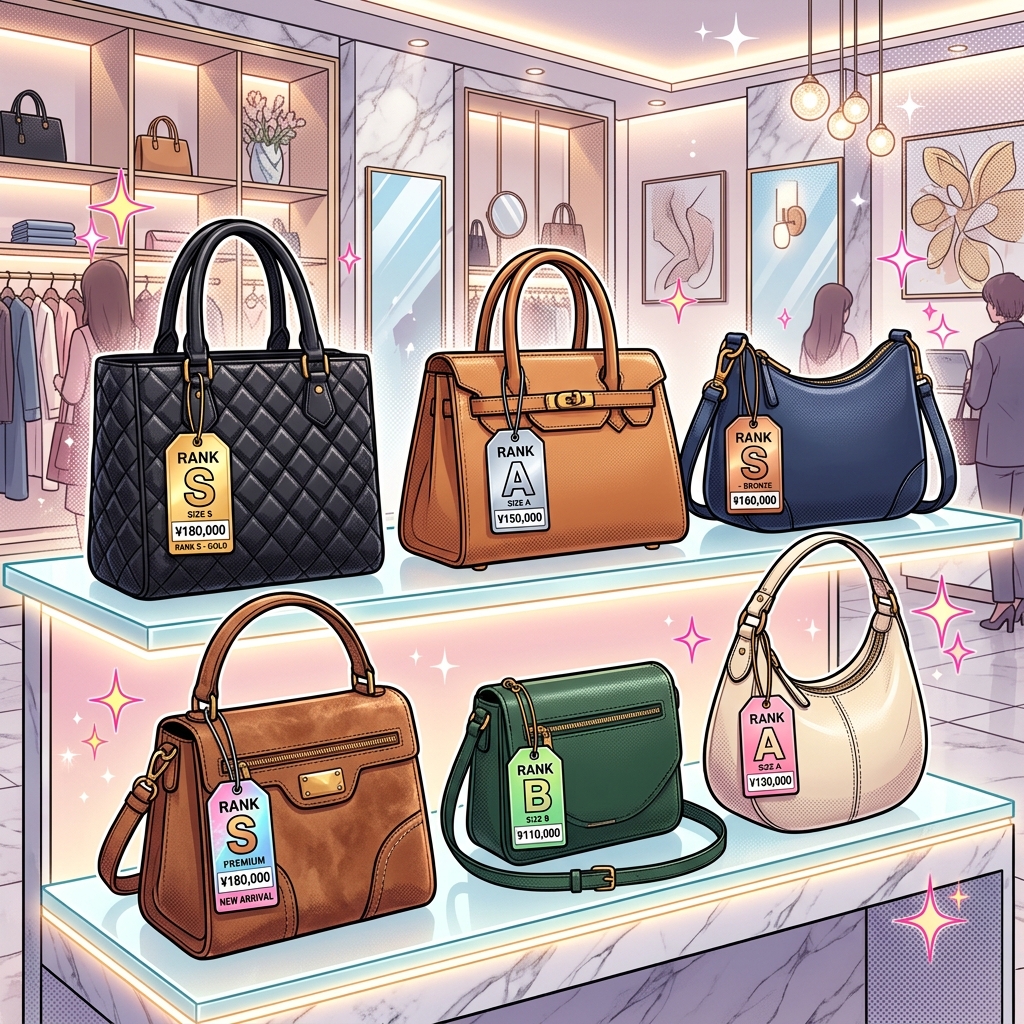
If you are looking for pristine, rare, or discontinued designer bags (especially from the 80s and 90s), this is your spot. The boutiques here feel more like high-end galleries. The curation is flawless, and the prices reflect the rarity, but with the current exchange rate, they are highly competitive.
2. Shinjuku & Ginza: The Mega Luxury Depots
These districts host massive, multi-level stores run by trusted corporate retailers. You will find floors dedicated entirely to luxury watches, jewelry, and designer handbags. Because they deal in immense volume, the prices are often very standardized and fair.
3. Shimokitazawa & Koenji: Streetwear and Y2K Nostalgia
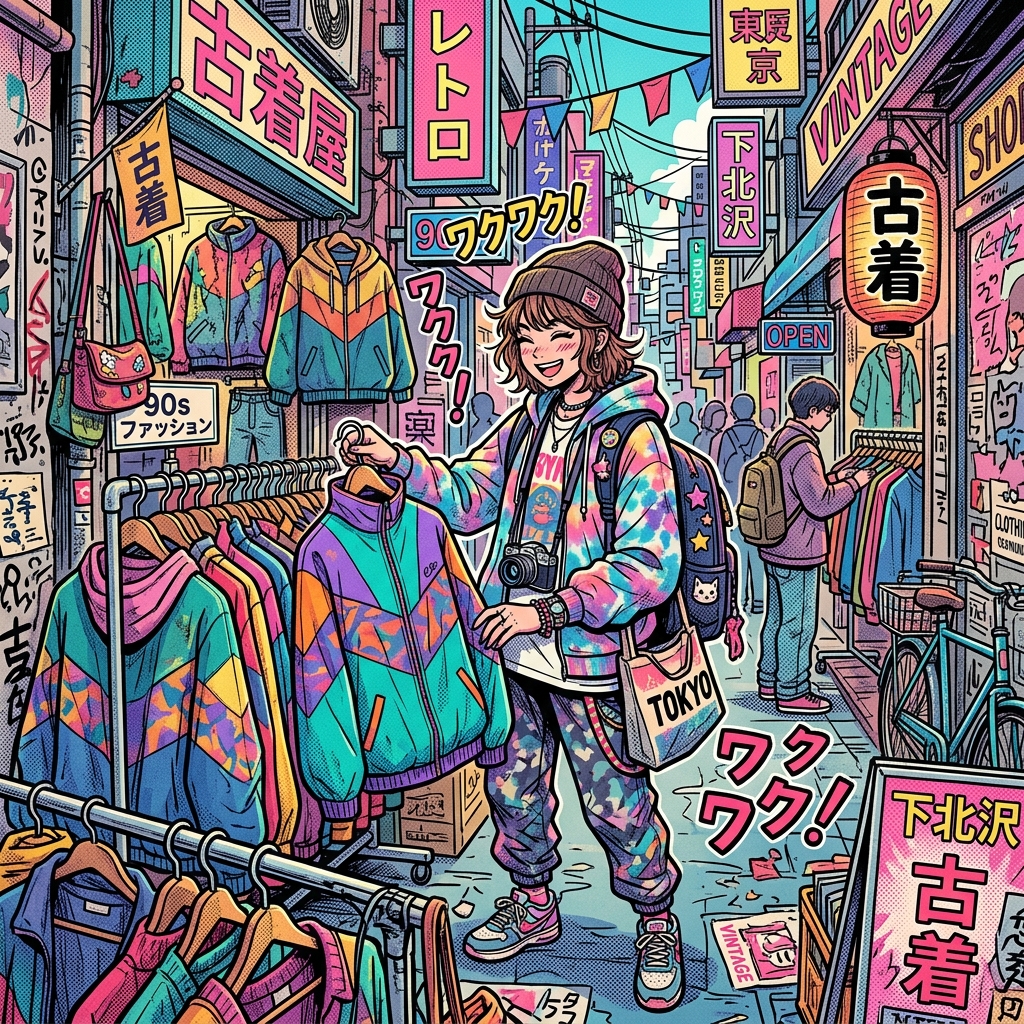
If your style leans towards 90s vintage, band tees, denim, and Y2K fashion, Shimokitazawa and Koenji are the cultural hubs. The alleys are packed with both curated vintage stores and raw thrift bins where you can hunt for hidden gems.
4. The Suburbs: The “Super Bazaar” Treasure Hunt
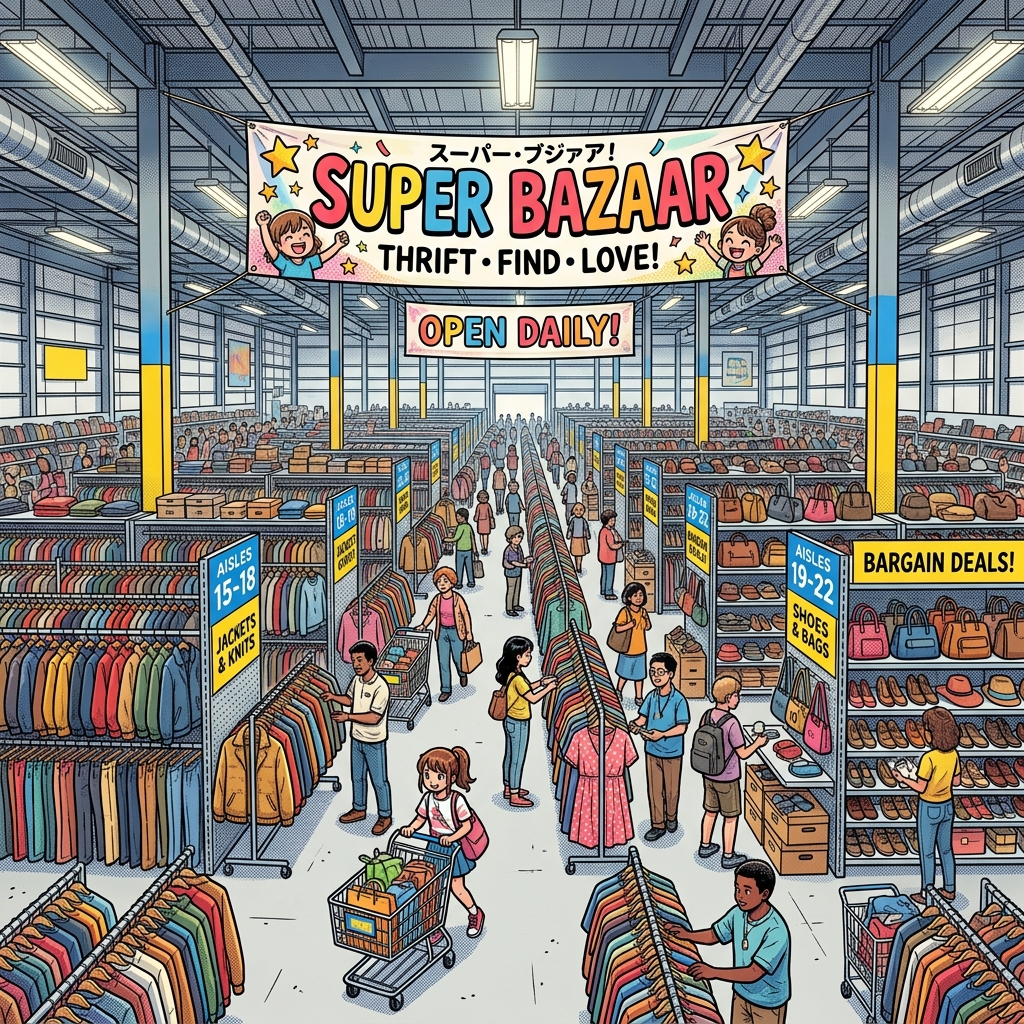
For the ultimate bargain hunters, taking a train 30-40 minutes outside central Tokyo to massive “Super Bazaar” warehouse stores is a must. These colossal shops buy and sell everything from clothes to electronics, and you can often find incredible designer pieces for a fraction of the city-center prices.
Practical Hacks: Navigating the Condition Ranking System
When browsing Japanese secondhand stores, you will notice tags with letters like S, A, B, or C. This is the standardized condition ranking system:
* **S or N (New/Mint):** Unused, often with original tags. Essentially brand new.
* **A (Excellent):** Barely used, with only microscopic signs of wear.
* **B (Good):** Normal signs of use, such as minor scratches or slight leather wear, but structurally perfectly sound. (These are often the best value!)
* **C (Fair/Used):** Visible damage, stains, or heavy wear.
The Golden Rule: Tax-Free Shopping

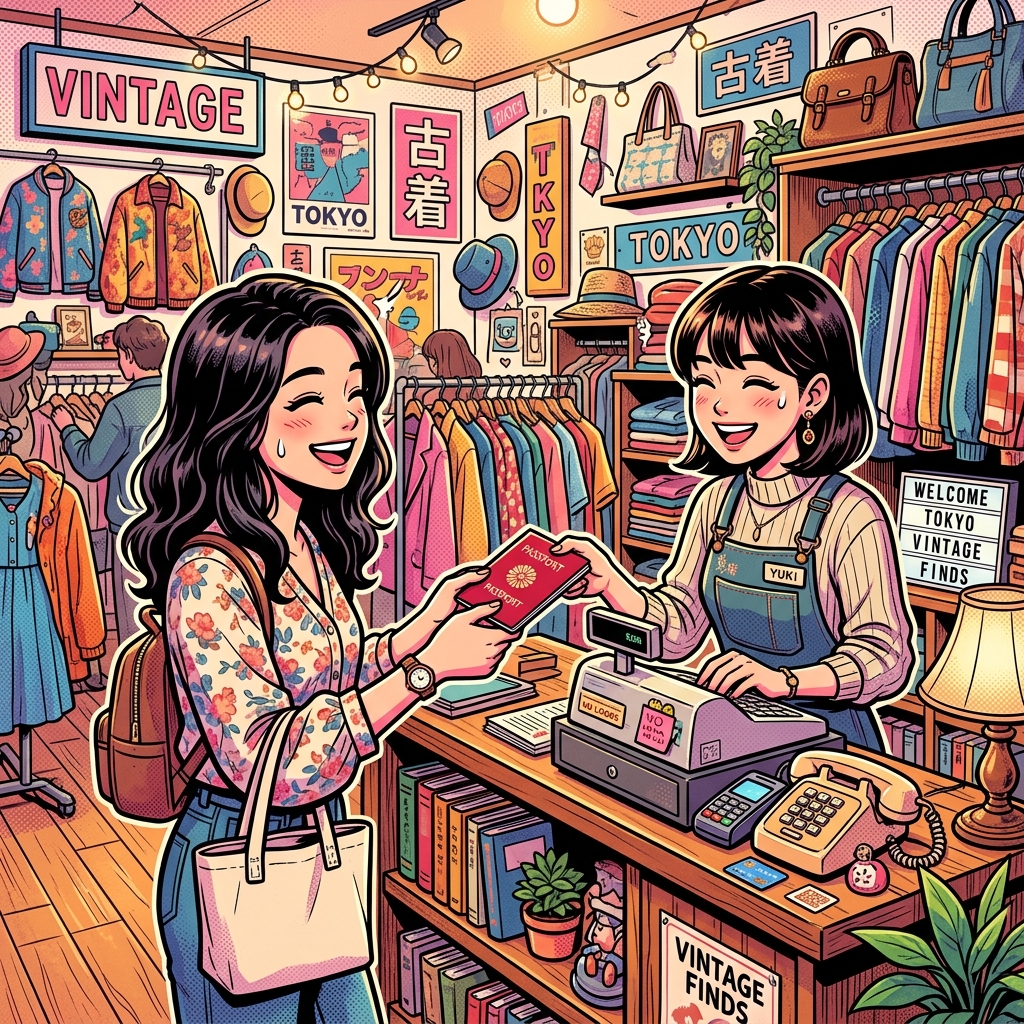
To truly maximize the weak yen, you must take advantage of Japan’s 10% consumption tax exemption.
**The Hack:** Always carry your *physical* passport. While Japan is rapidly digitizing, many luxury secondhand retailers still require your physical passport with the entry stamp (or the digital QR code from Visit Japan Web if they have the new scanners) to process the tax-free discount on the spot. Remember, the purchase must total over 5,000 JPY, and you cannot use the items while in Japan if they are consumable (though clothes and bags are fine to use!).
Happy hunting! With the current economic climate, your dream vintage piece is waiting for you in Tokyo.