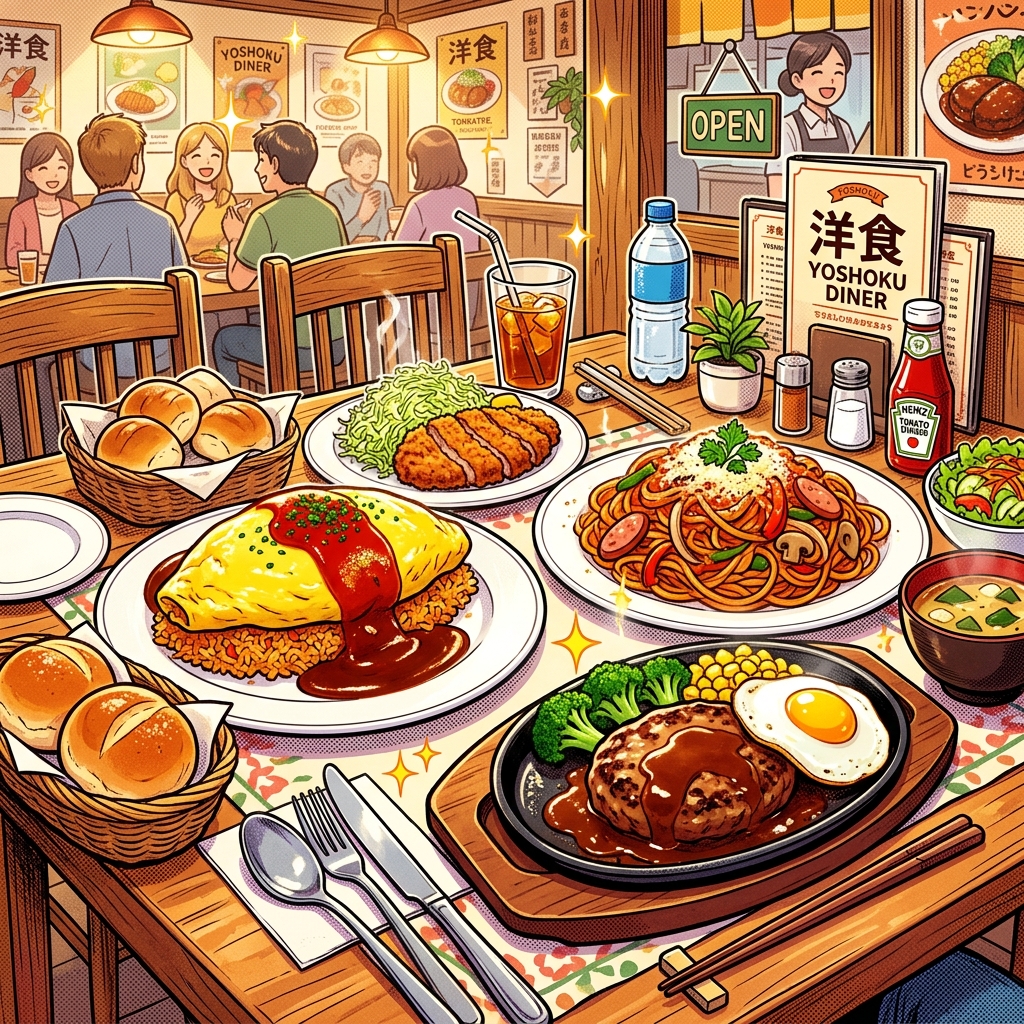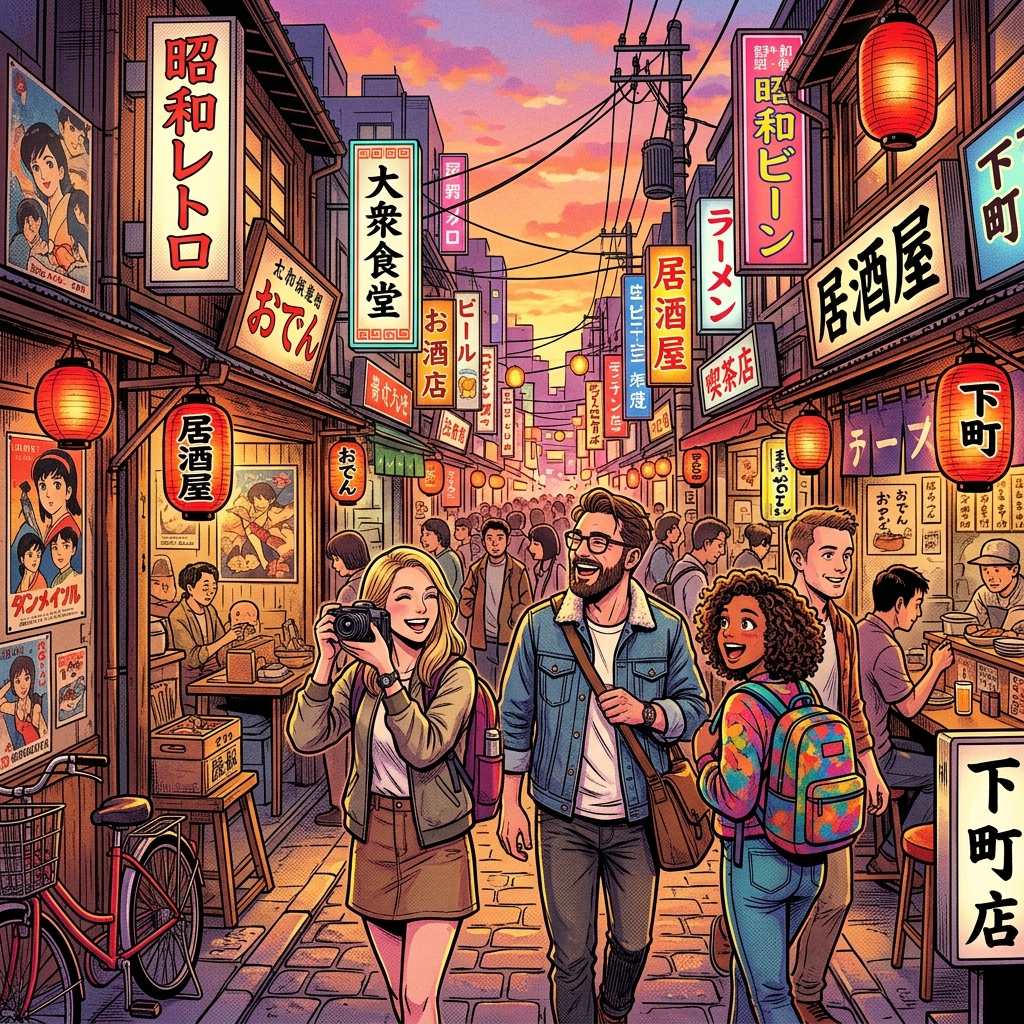
Japan is currently experiencing a massive “Showa Retro” boom. But what exactly is it, and how can you experience it during your trip to Tokyo? Whether you are looking for aesthetic photos, delicious old-school food, or immersive nightlife, stepping into the Showa era is a must-do in 2026.
What is “Showa Retro”?
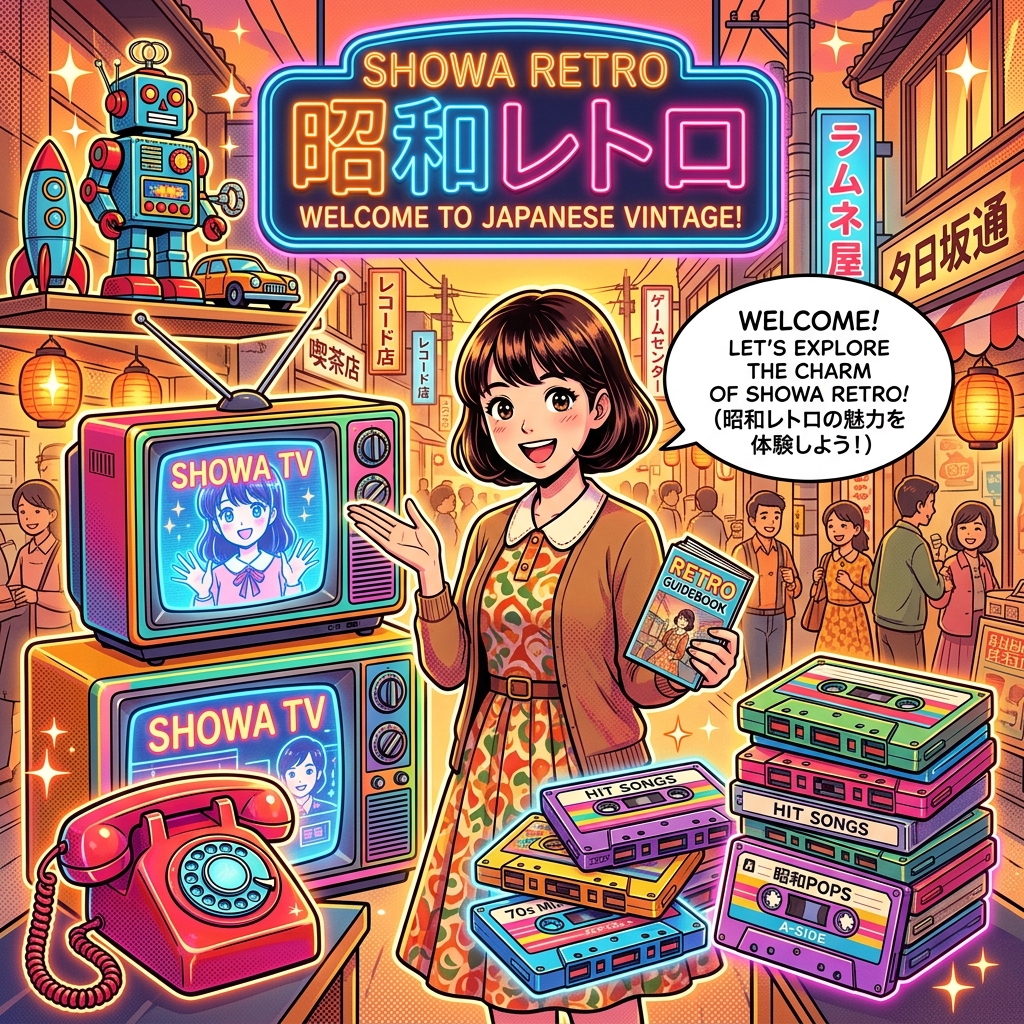
The “Showa” era in Japan spanned from 1926 to 1989. When people talk about “Showa Retro,” they are specifically referring to the post-war economic boom period from the 1960s to the 1980s. It was a time of rapid modernization mixed with warm, analog aesthetics. Think of neon signs, colorful cassette tapes, boxy TVs, and a strong sense of community.
Today, this nostalgic aesthetic is incredibly popular among young Japanese people and international tourists alike, offering a charming contrast to Tokyo’s ultra-modern high-tech image.
Your Retro Score
1. Relax at a "Kissaten" (Retro Japanese Cafes)
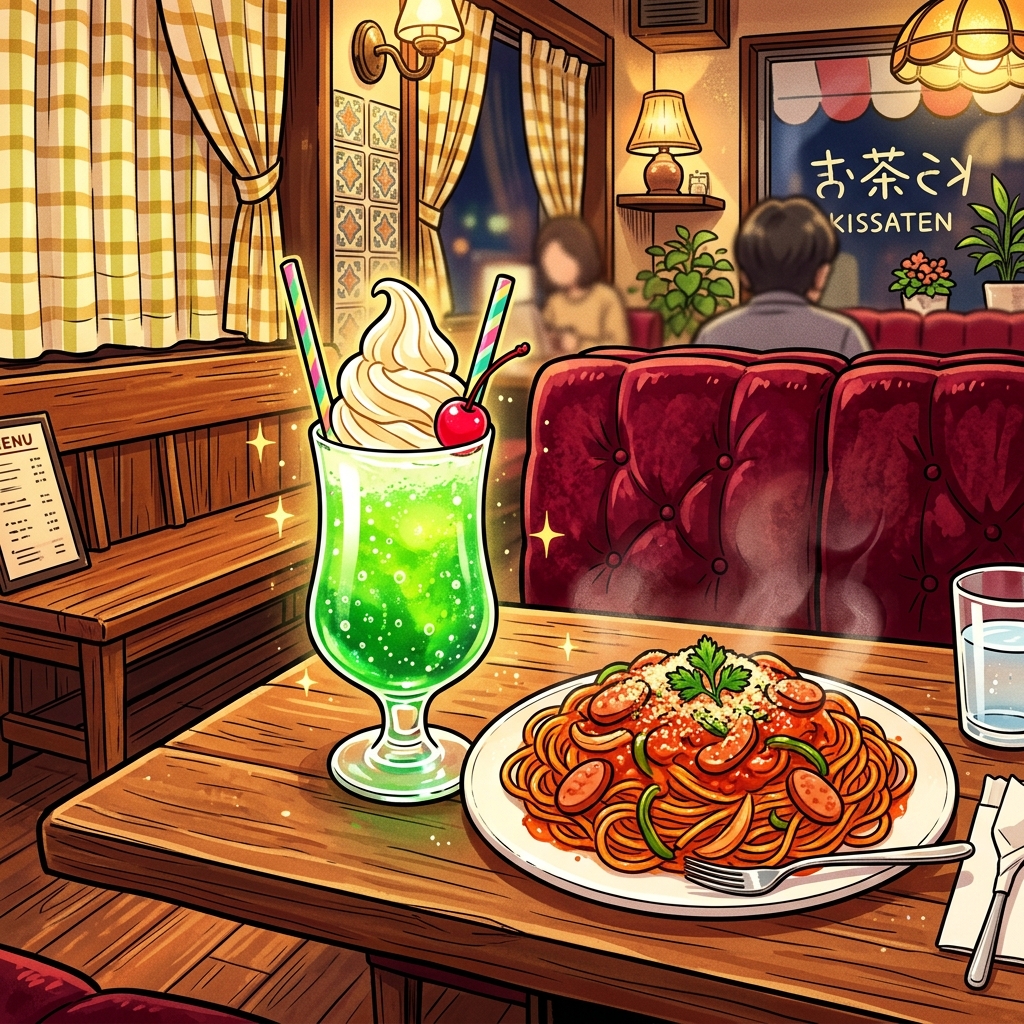
Unlike modern coffee chains, a Kissaten is a traditional Japanese cafe that preserves the atmosphere of the 1970s and 80s. You will find dark wood interiors, stained glass lamps, velvet seating, and a calm, relaxing vibe. It is the perfect place to take a break, especially during Tokyo's rainy season in early summer.
The must-order items at any Kissaten are the vibrant, neon-green Melon Cream Soda topped with vanilla ice cream, and "Napolitan," a uniquely Japanese-style ketchup-based spaghetti dish. Both are highly photogenic and delicious!
Practical Hack: Cash and "Oshibori" Manners
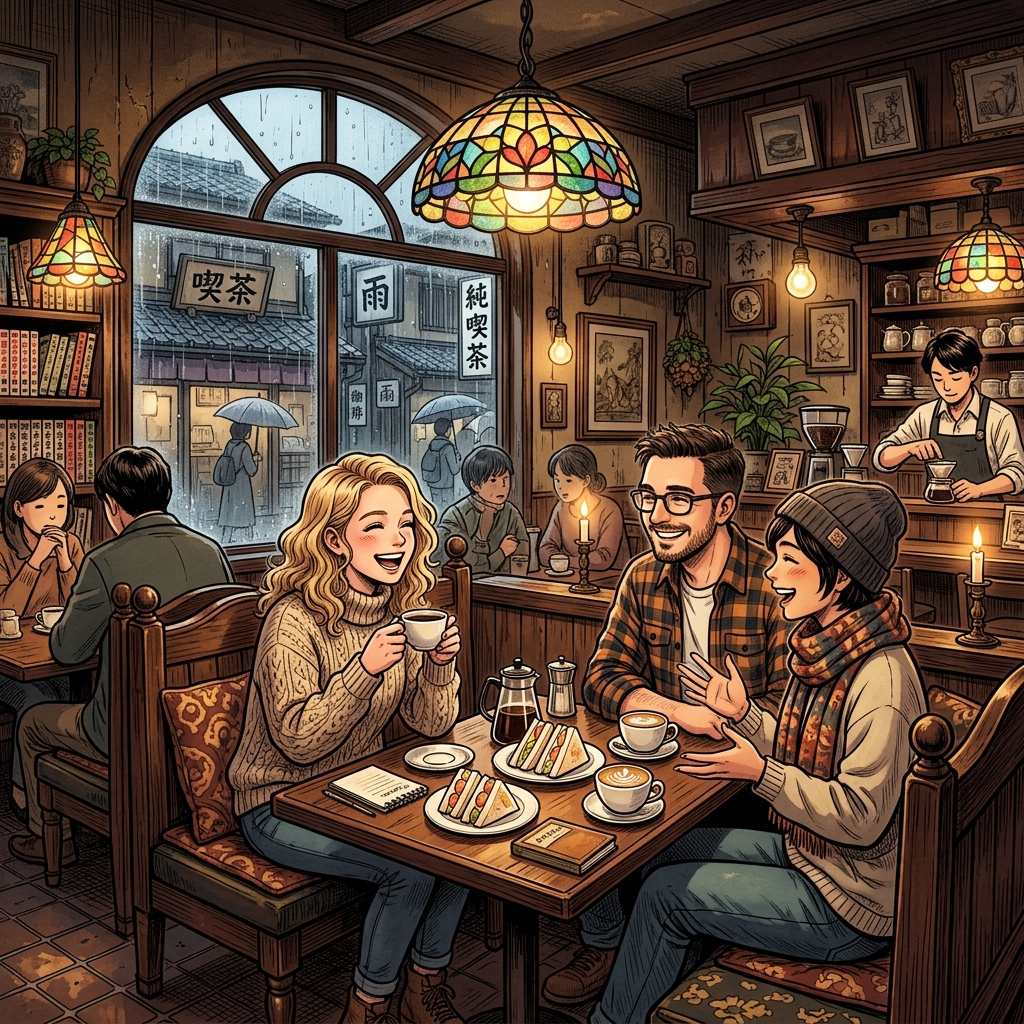
When visiting an authentic Kissaten, keep in mind that Cash is King. Many older, family-run cafes do not accept credit cards or digital payments. Also, when you sit down, you will be handed a wet towel called an oshibori. Use it to wipe your hands before eating, but avoid using it to wipe your face or the table, as this is considered bad manners.
2. Nightlife in a "Yokocho" (Lantern-lit Alleyways)
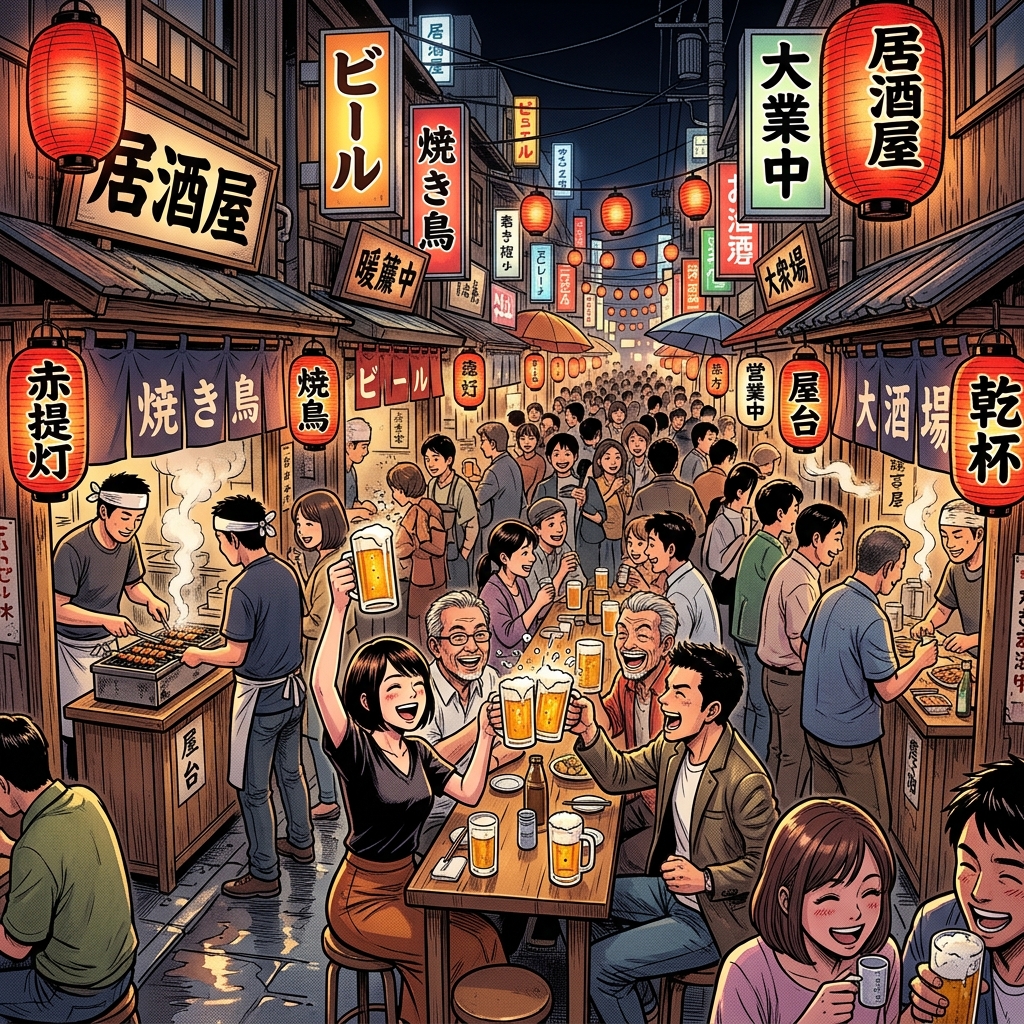
When the sun sets and the weather warms up, it is time to head to a Yokocho. A Yokocho is a narrow alleyway packed tightly with tiny, independent bars and eateries, often glowing with red paper lanterns. Famous spots include Omoide Yokocho in Shinjuku, Nonbei Yokocho in Shibuya, and Hoppy Dori in Asakusa.
These alleys offer an incredibly energetic, local atmosphere where you can enjoy yakitori (grilled chicken skewers), cold beer, and casual conversations with locals sitting shoulder-to-shoulder with you.
Practical Hack: Understanding "Otooshi"
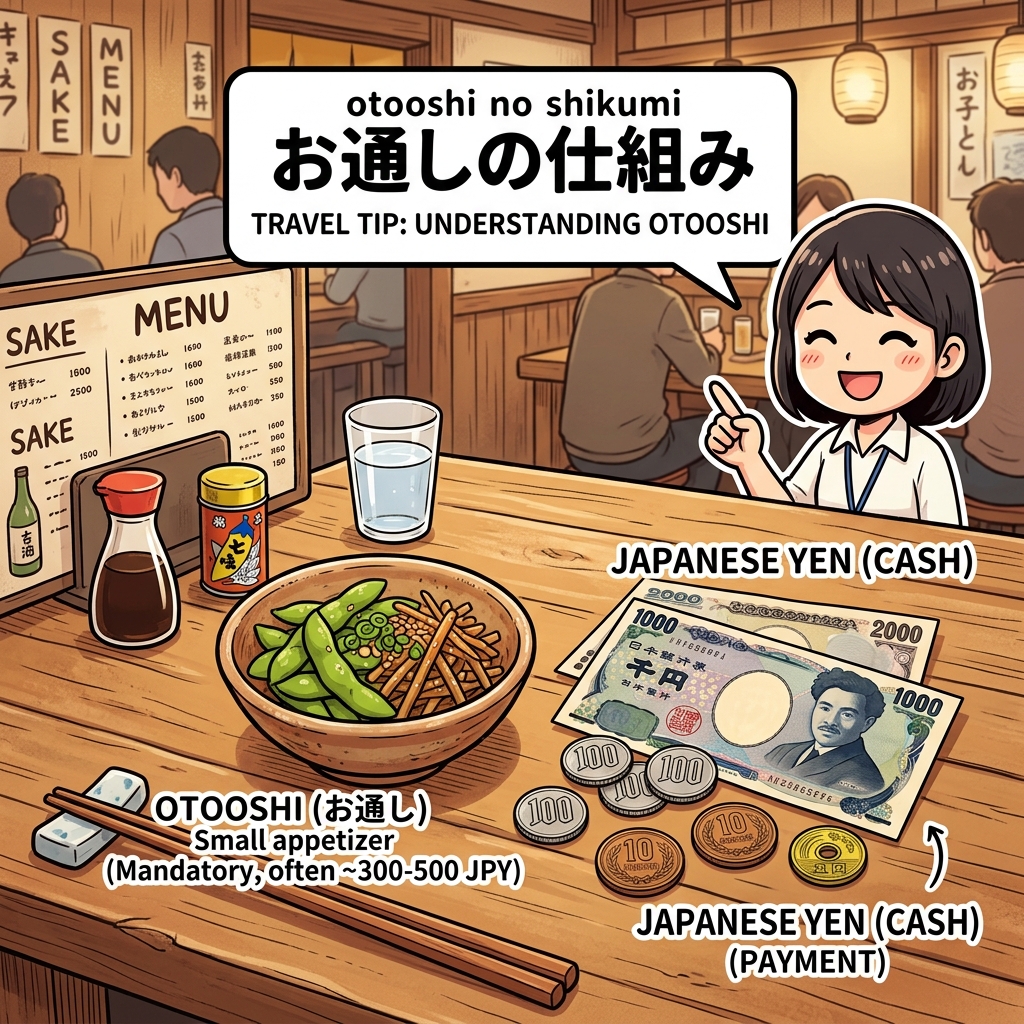
When you sit down at an izakaya (Japanese pub) in a Yokocho, the server will often bring you a small appetizer you didn't order. This is called Otooshi. It serves as a mandatory table charge (usually around 300 to 500 yen per person) and takes the place of tipping, which does not exist in Japan. Accept it with a smile, as it is a standard part of Japanese drinking culture!
3. Immersive Nostalgia: Indoor Spots & Theme Parks
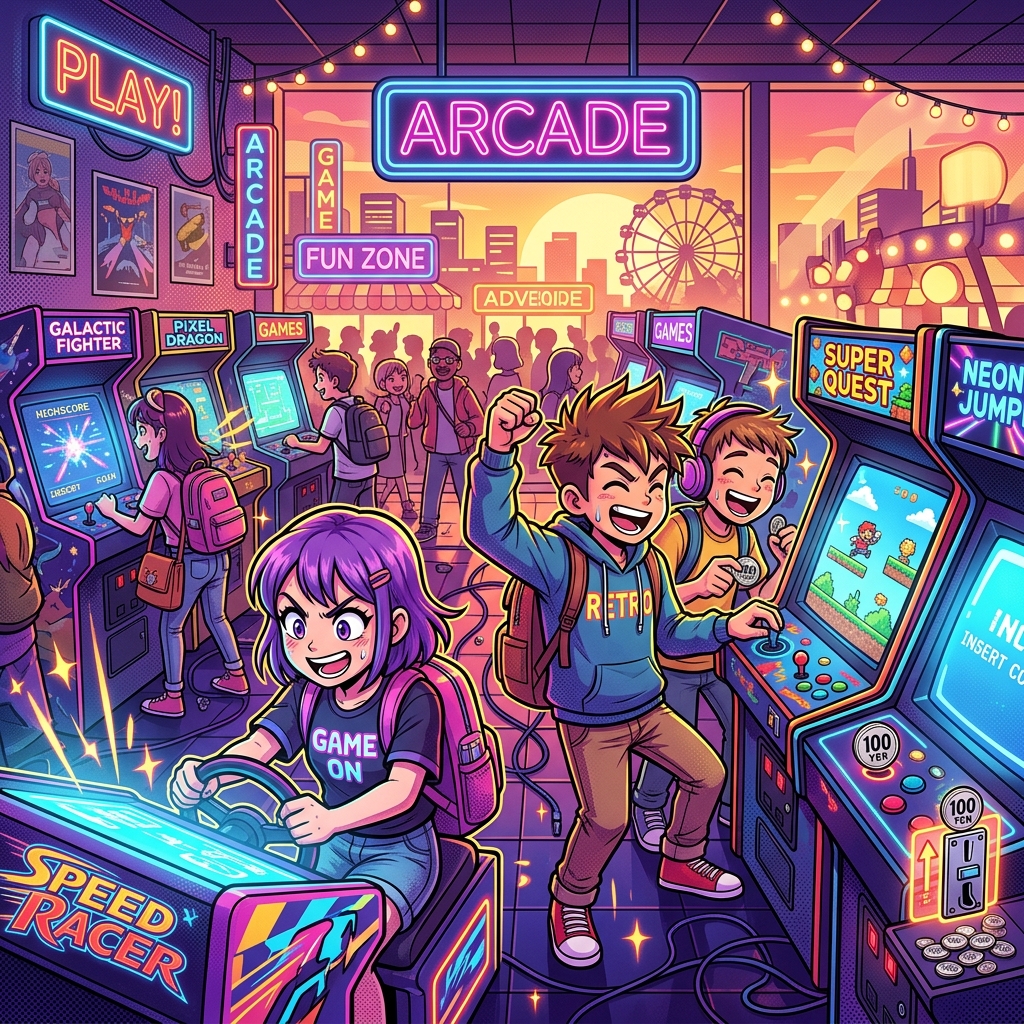
If you want to fully immerse yourself in the Showa world, Tokyo offers incredible retro-themed parks. "Daiba 1-chome" in Odaiba is a free-to-enter indoor shopping and entertainment area designed exactly like a 1960s Japanese neighborhood. It is entirely indoors, making it a great destination regardless of the weather.
For a full-day experience, take a train to "Seibuen Amusement Park" just outside central Tokyo, which features a spectacular, large-scale recreation of a bustling Showa-era shopping street complete with live street performances and vintage rides.
Practical Hack: Coin Changing and Digital Ticketing
Many of the vintage arcade games and retro capsule toy machines (gachapon) at these spots require physical 100-yen coins. Look for a "Ryogae-ki" (currency exchange machine) to break your 1000-yen bills. For Seibuen Amusement Park, be aware that you need to purchase special "Seibuen Currency" inside the park to buy food and souvenirs, adding to the retro role-playing experience!