What Is a Matsuri — and Why Should You Care?
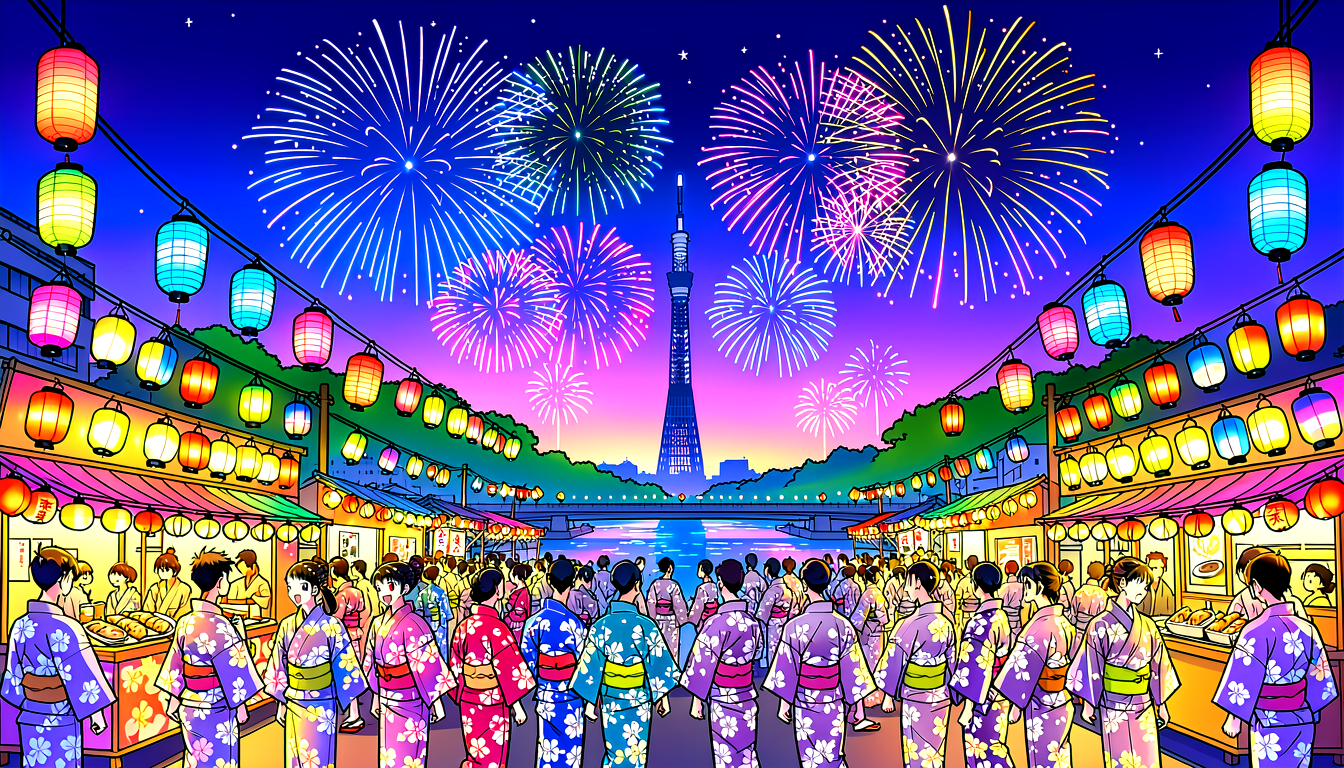
If you’re visiting Tokyo between late July and mid-August, you’re walking straight into one of Japan’s most electric traditions: the summer festival, or matsuri (祭り).
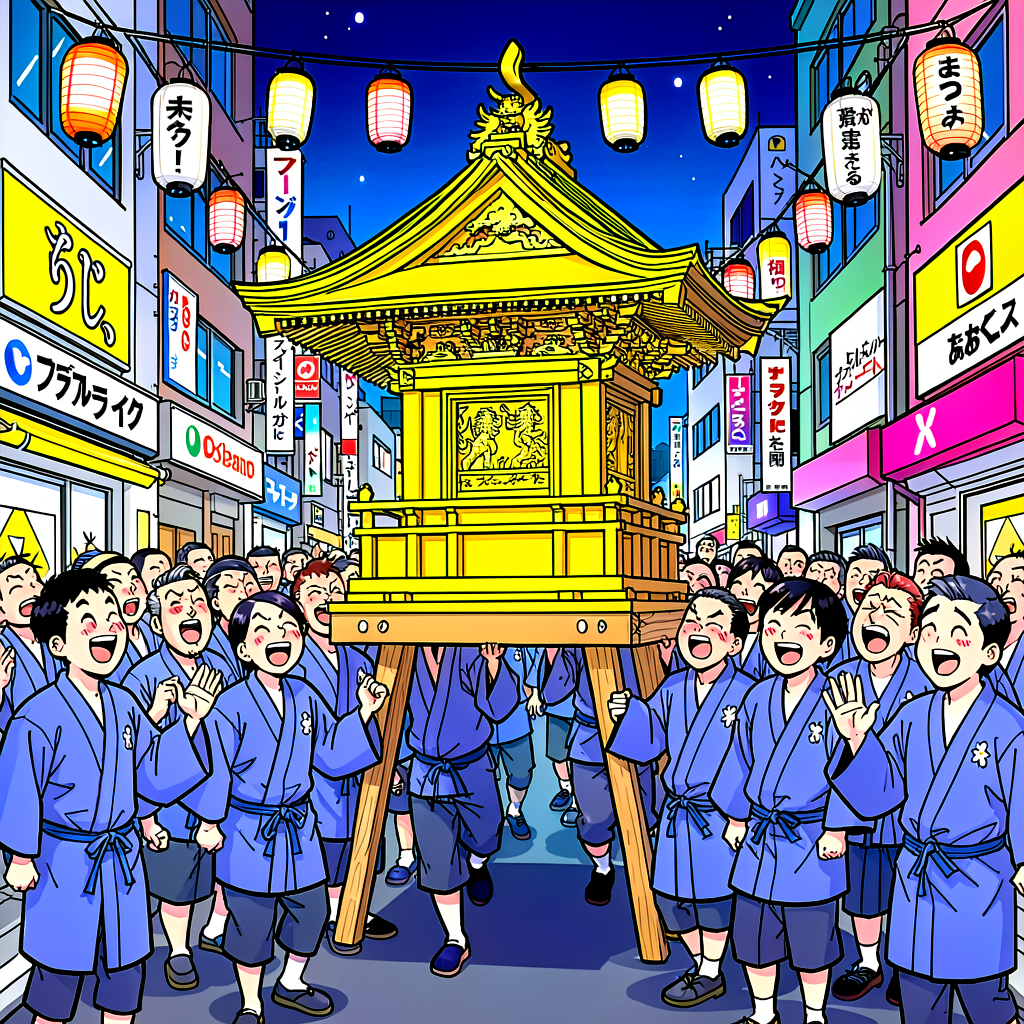
Matsuri are community celebrations rooted in Shinto and Buddhist rituals, but today they’re as much about joy as religion. Expect towering illuminated floats, portable shrines (mikoshi) carried on shoulders through packed streets, rhythmic drumming, and the irresistible smell of grilled food drifting through the night air.
For first-time visitors, matsuri are a window into a side of Japan that no museum or guidebook can fully capture. They’re loud, sweaty, chaotic — and completely unforgettable.
Tokyo’s Must-See Summer Festivals in 2026
Tokyo’s festival calendar is packed from mid-July to late August. Here are the ones that absolutely shouldn’t be missed.
Sumida River Fireworks Festival — July 25, 2026
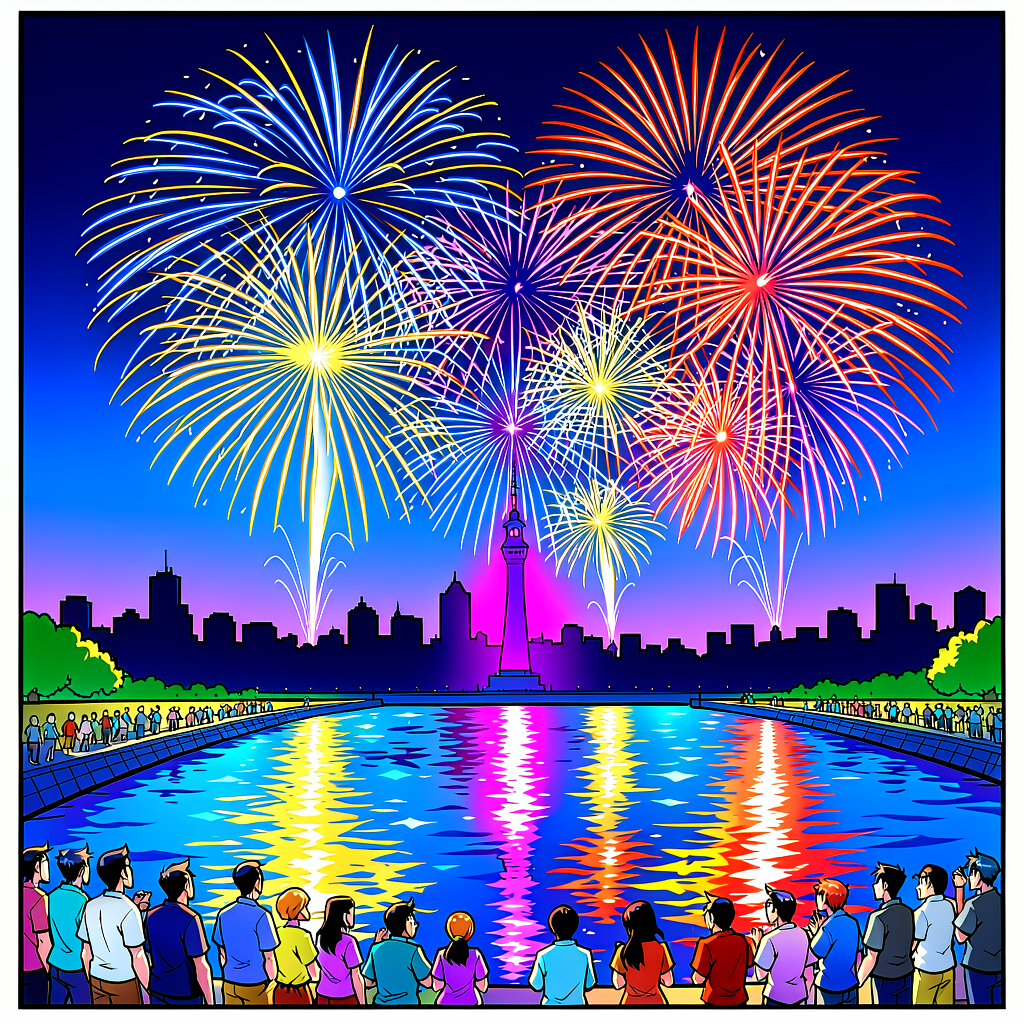
Tokyo’s oldest and most beloved fireworks display. On the last Saturday of July, over 20,000 fireworks are launched from two sites along the Sumida River near Asakusa, with the illuminated Tokyo Skytree glowing in the background.
The festival draws close to one million spectators, so planning is everything. Crowds begin gathering by 4 PM for a 7:00 PM start. The display runs until around 8:30 PM. Paid viewing areas sell out weeks in advance — free viewing spots exist along the riverbanks, but arrive early.
Access: Asakusa Station (Tokyo Metro Ginza Line / Tobu Skytree Line). Be prepared for significant crowds exiting after the show — factor in an extra 60–90 minutes to leave the area.
Mitama Matsuri at Yasukuni Shrine — July 13–16, 2026
One of Tokyo’s most visually stunning festivals. Over 30,000 paper lanterns are hung throughout Yasukuni Shrine, creating a warm golden glow that transforms the grounds into something magical. Traditional Bon Odori dancing takes place nightly, and food stalls line every path.
This is also one of the more manageable festivals for first-timers — it’s spread over four evenings and the atmosphere is surprisingly calm despite the crowds. Entry to the shrine grounds is free.
Access: Kudanshita Station (Tokyo Metro Tozai / Hanzomon / Shinjuku Lines). Evenings from 6 PM are peak hours.
Koenji Awa Odori — August 22–23, 2026
Originating in Tokushima Prefecture but now a full-blown Tokyo tradition, the Koenji Awa Odori brings over 10,000 dancers onto the streets around Koenji Station over two nights. Performers in colorful costumes move in synchronized, hypnotic patterns — and spectators are occasionally pulled in to join.
This festival has a distinctly local, neighborhood feel that sets it apart from the big tourist-facing events. It’s a great choice if you want to experience matsuri culture without the overwhelming scale of the Sumida fireworks.
Access: Koenji Station (JR Chuo/Sobu Line). Free to watch from the streets.
Fukagawa Hachiman Matsuri — Mid-August 2026
Held every three years in its grandest form, 2026 is a major festival year for Fukagawa. The highlight: dozens of mikoshi (portable shrines) are carried through the streets while bystanders douse the bearers — and themselves — with buckets of water. It’s joyful, respectful, and absolutely drenched.
The water-throwing is not random — it’s a ritual blessing. Do not pour water on participants unless you’re clearly invited to. Wear clothes you don’t mind getting wet if you’re standing close to the procession.
Access: Monzen-Nakacho Station (Tokyo Metro Tozai / Oedo Lines).
Should You Wear a Yukata? (Yes, You Should)
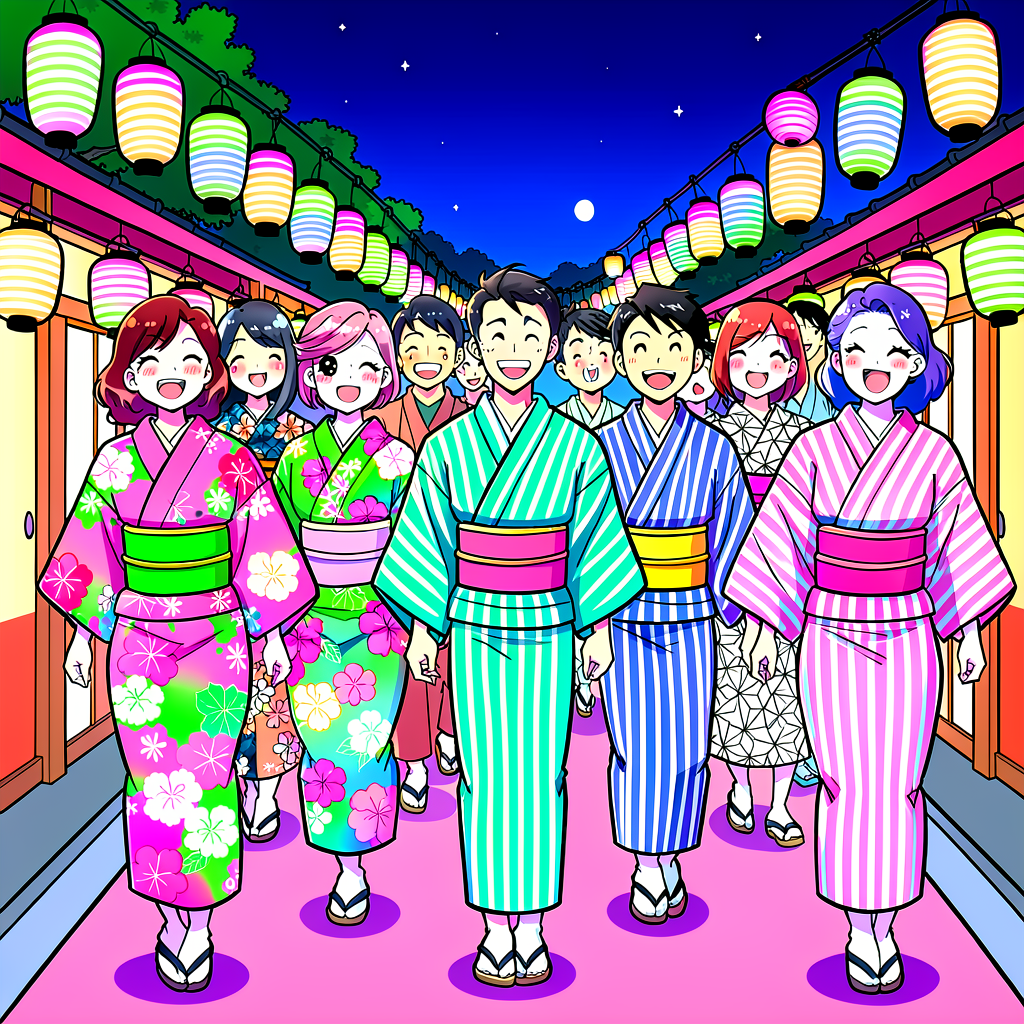
A yukata (浴衣) is a lightweight summer kimono worn by men, women, and children to matsuri and fireworks festivals. Foreign visitors wearing yukata are warmly welcomed — it’s seen as a sign of appreciation, not appropriation.
You have two main options in Tokyo:
- Rent for the day: Asakusa has numerous rental shops offering full packages — yukata, obi belt, and geta sandals — for around ¥3,000–¥5,000. The area around Nakamise-dori is a good starting point. Many shops offer English assistance.
- Buy and keep: Major retailers sell simple yukata sets for ¥3,000–¥6,000. These are perfectly appropriate for festivals and make a great souvenir.
One essential rule: always wrap the left side over the right. Right over left is reserved for funeral dress — an honest mistake, but one worth avoiding.
Geta sandals (traditional wooden clogs) can be tricky to walk in for hours. If your feet hurt after 20 minutes, swap for regular sandals — comfort matters more than authenticity.
Yatai: How to Eat Your Way Through a Festival
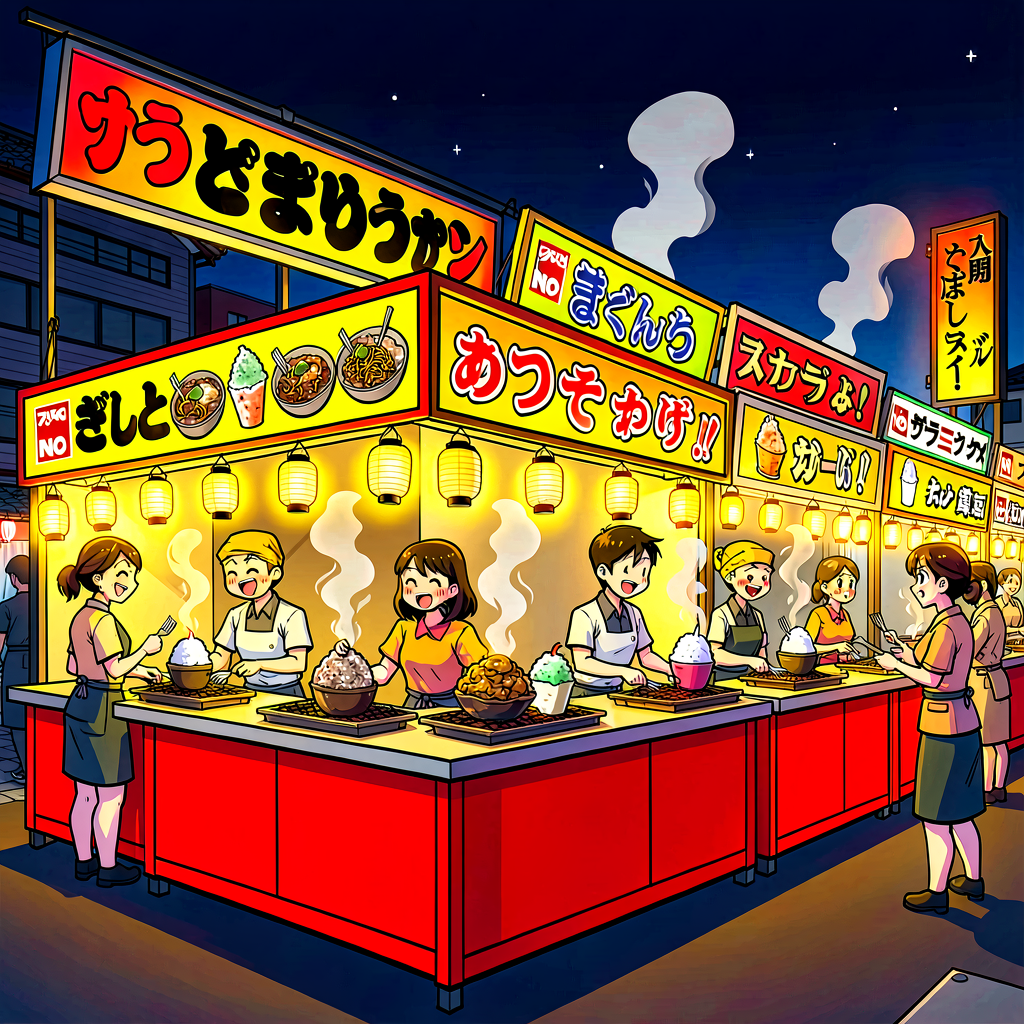
The rows of yatai (屋台) — open-air food stalls — are half the reason people go to matsuri. Come hungry. Bring cash. Here’s what to look for:
- Yakisoba — stir-fried noodles with vegetables and a savory sauce, served in a paper tray
- Takoyaki — octopus balls topped with mayo, bonito flakes, and sweet-savory sauce (a crowd favorite)
- Kakigori — shaved ice flavored with matcha, strawberry, or condensed milk; essential in the summer heat
- Yakitori — grilled chicken skewers, often sold two or three per stick
- Ramune — a carbonated soft drink in a distinctive marble-stoppered bottle; part ritual, part refreshment
- Taiyaki / Imagawayaki — fish-shaped or round pancakes filled with sweet red bean paste
Important: Yatai rarely accept cards or QR payments. Bring ¥3,000–¥5,000 in cash, ideally in small bills and coins. Most items cost ¥300–¥800.
When you receive your food, eat it near the stall rather than walking and eating simultaneously. This is considered polite form at Japanese festivals — you’ll notice most locals stop, eat, and then move on.
Timing and Crowd Strategy
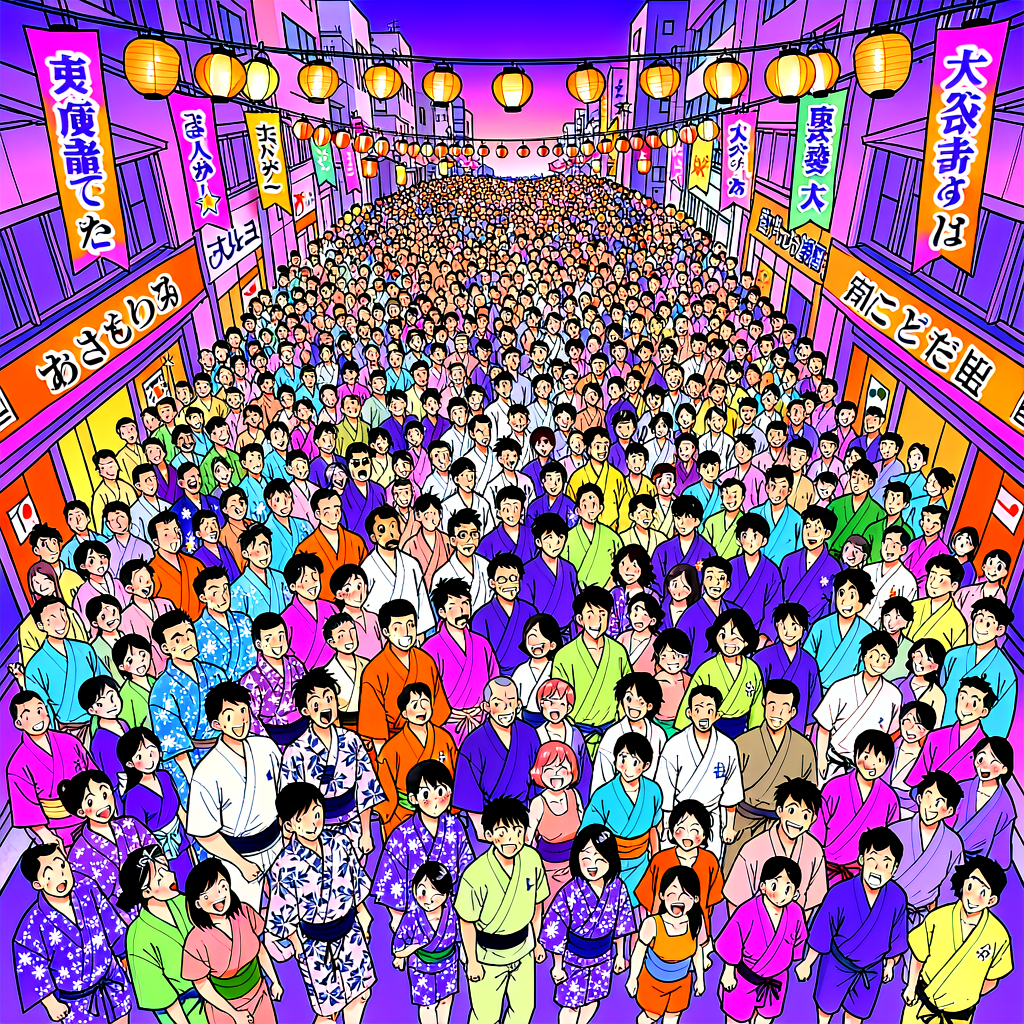
Tokyo’s summer festivals are genuinely crowded — the Sumida fireworks alone draw close to a million people. A little planning goes a long way.
Arrive Earlier Than You Think
For any evening festival, arriving 90 minutes to 2 hours before the main event is not excessive. The best free viewing spots disappear fast. For the Sumida fireworks, some locals arrive by 3 PM to claim a spot.
Dress for the Heat
Late July and August in Tokyo regularly hit 33–36°C (91–97°F) with humidity above 70%. Lightweight, moisture-wicking fabrics are essential. Carry a folding fan (uchiwa), a small towel, and a bottle of water at all times. Many festival grounds have no shade.
Plan Your Exit
Post-event train stations become extremely congested. After the Sumida fireworks, expect 30–60 minute waits just to enter the station. Consider walking to a quieter station one or two stops away, or settling in a nearby restaurant to wait out the rush.
Festival Etiquette: Do’s and Don’ts
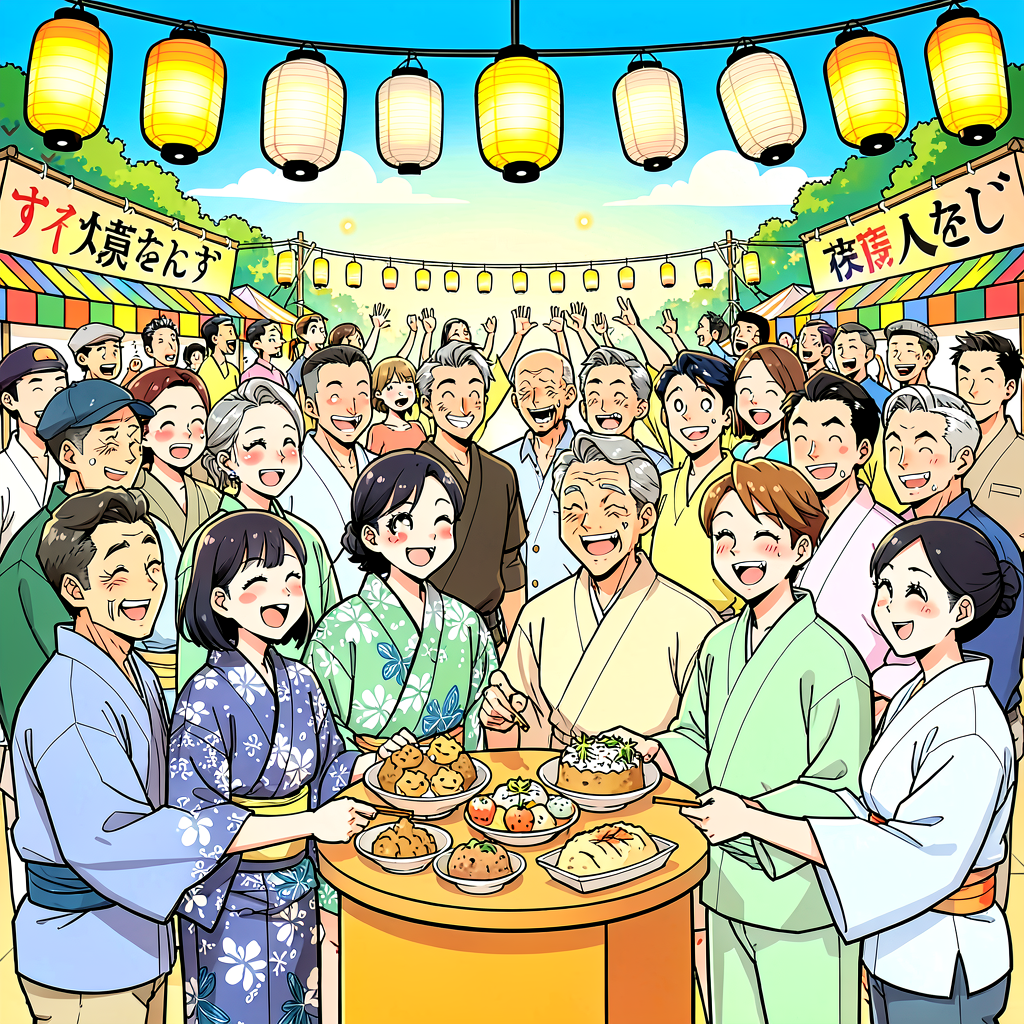
Matsuri are inclusive and relaxed — but a few simple rules make the experience better for everyone.
- Do greet food stall vendors with a smile and simple thanks (arigatou gozaimasu)
- Do follow the crowd flow — trying to push against the human current at packed events is exhausting and rude
- Do ask before photographing individuals, especially children
- Don’t attempt to touch or grab a mikoshi — they are sacred objects being carried in ceremony
- Don’t bring large backpacks or luggage; you’ll struggle to navigate tight spaces
- Don’t spread out picnic blankets in designated walkways at fireworks events — keep to the sides
- Don’t leave trash at the stall — most yatai provide a small bin, or carry it to a public waste station
The general spirit of a matsuri is communal joy. If you’re enthusiastic, respectful, and willing to be swept up in the moment — you’ll fit right in.
※ Illustrations in this article are AI-generated and may not represent actual locations, products, or services.