- What Is Ekiben? The Tastiest Tradition on Japanese Rails
- A Brief History: From Rice Balls to Edible Art
- The Top Ekiben Every Traveler Must Try
- Ekibenya Matsuri: The Ultimate Ekiben Paradise at Tokyo Station
- Ekiben Etiquette: The Unwritten Rules
- Self-Heating Ekiben: Hot Meals Anywhere
- Beyond the Bento: Collectible Containers
- Practical Tips for Your 2026 Ekiben Adventure
- The Magic of Eating on the Move
What Is Ekiben? The Tastiest Tradition on Japanese Rails
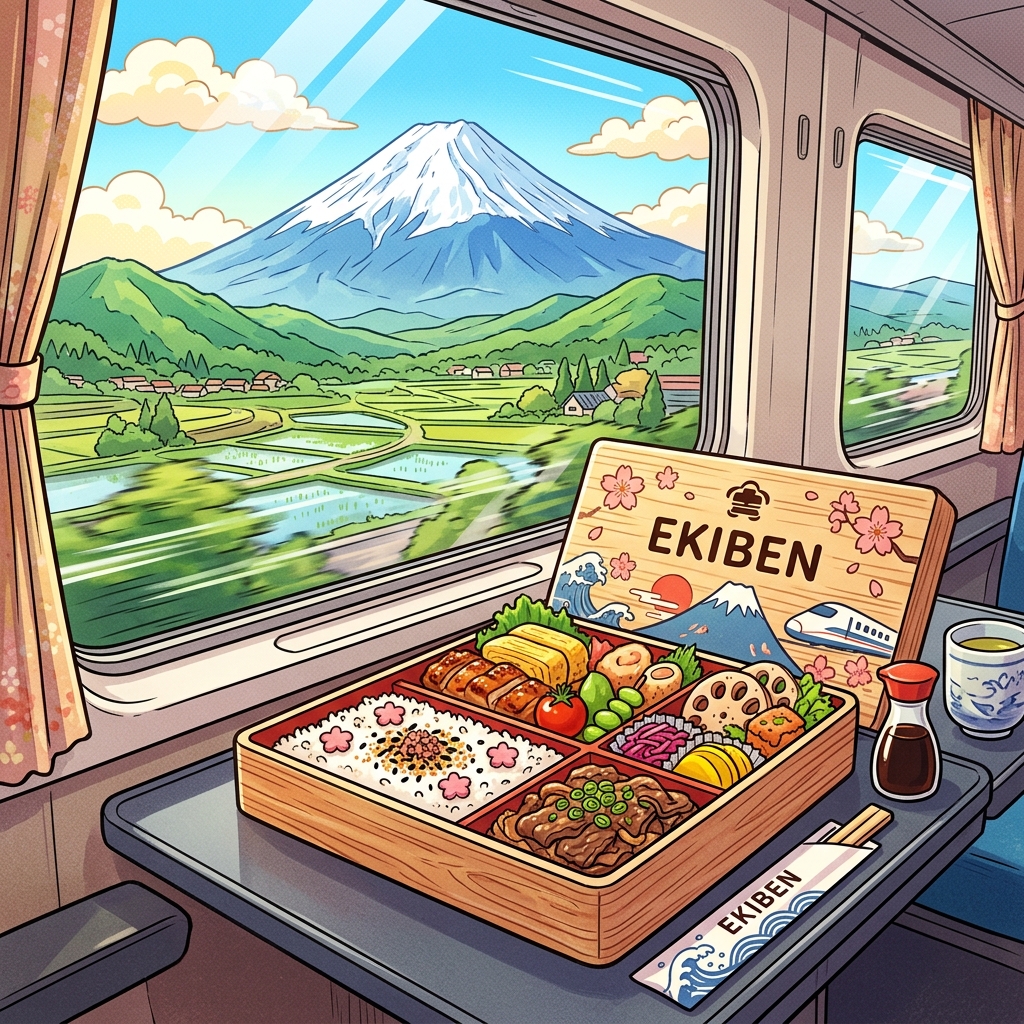
Imagine this: you settle into your plush Shinkansen seat, the platform slides away, and within seconds, you are gliding past endless rice paddies and distant mountain silhouettes at 300 kilometers per hour.
Now imagine opening a beautifully arranged wooden box filled with tender Wagyu beef, glistening salmon roe, and perfectly seasoned rice — all sourced from the very region your train is racing through.
That is ekiben, and it is one of the most delicious cultural experiences Japan has to offer.
The word “ekiben” is a combination of eki (station) and bento (boxed lunch). These are not ordinary convenience store meals. They are carefully crafted, regionally inspired culinary masterpieces — designed to taste incredible even at room temperature — and eating one aboard a bullet train is a quintessential Japanese travel ritual.
A Brief History: From Rice Balls to Edible Art
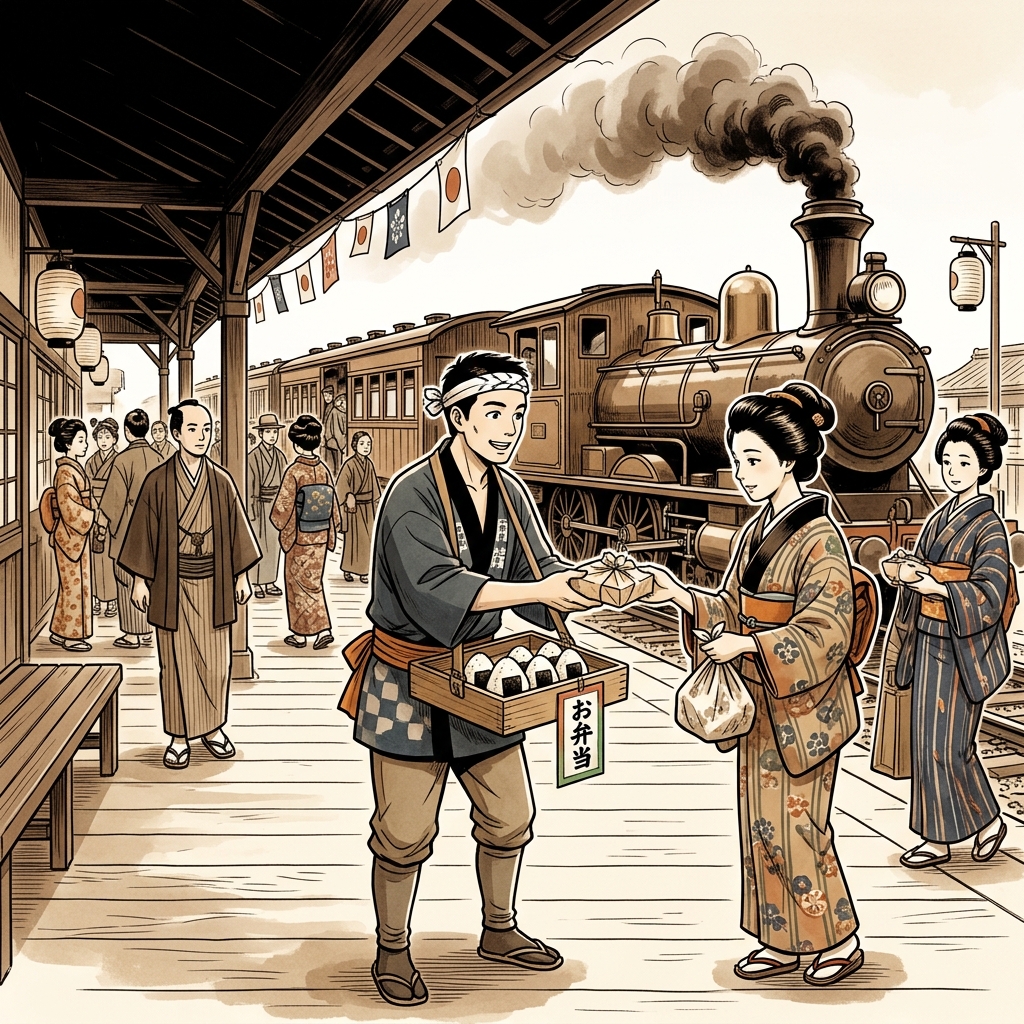
The story of ekiben begins in 1885 at Utsunomiya Station in Tochigi Prefecture. The very first one was humble: two onigiri (rice balls) and pickled radish wrapped in bamboo leaves, sold to hungry travelers on the platform.
As Japan’s railway network expanded, so did the creativity. Each station along the line began competing to offer the most distinctive local specialties. By the early 20th century, ekiben had evolved from simple platform snacks into elaborate showcases of regional pride.
Today, there are over 2,000 varieties of ekiben across Japan — and the tradition is more alive than ever.
The Top Ekiben Every Traveler Must Try
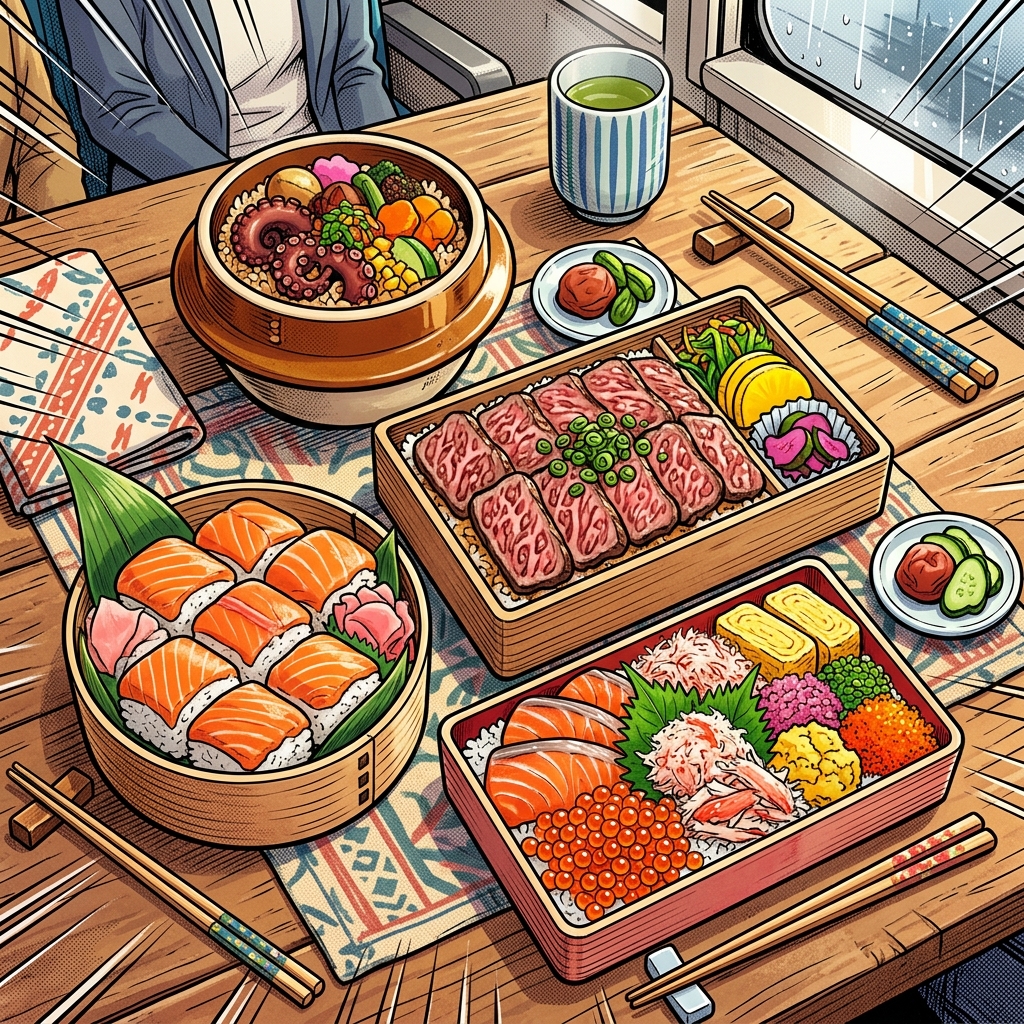
With thousands of options available, choosing can feel overwhelming. Here are some legendary picks that consistently top popularity rankings.
Gyuniku Domannaka — Yonezawa, Yamagata
Often ranked as the number-one best-selling ekiben in all of Japan, this bento features tender slices of premium Yonezawa beef — one of Japan’s top three Wagyu brands — marinated in a savory-sweet sauce and laid over a bed of fluffy local rice. The deep umami flavor stays perfect even when eaten cold.
Gokusen Sumiyaki Gyutan — Sendai, Miyagi
Sendai is famous for beef tongue, and this ekiben delivers thick, charcoal-grilled slices with an unforgettable smoky flavor. Paired with barley rice and crunchy pickles, it is a hearty feast that captures the soul of the Tohoku region.
Masu no Sushi — Toyama
This photogenic classic has been a traveler favorite for generations. Cured trout sashimi is arranged in a beautiful circular pattern over vinegar-seasoned sushi rice, then tightly wrapped in bamboo leaves inside a signature round cedar container. The presentation alone is worth the purchase.
Hokkaido Kaisen Bento — Hokkaido
Hokkaido’s coastal bounty shines in these vibrant seafood bento boxes. Expect generous portions of fresh crab, salmon roe (ikura), scallops, and sometimes even sea urchin (uni), all piled on top of subtly flavored sushi rice.
Hippari-dako Meshi — Akashi, Hyogo
Served in a charming octopus-shaped ceramic pot that you can take home as a souvenir, this bento features tender Akashi octopus simmered with bamboo shoots, shiitake mushrooms, and seasoned rice. The container alone makes it a must-buy.
Moo Taro Bento — Matsusaka, Mie
This playful bento comes in a bull-head-shaped container and features premium Matsusaka Wagyu. The fun surprise? It plays the Japanese folk song “Furusato” when you open the lid. Delicious, whimsical, and utterly Japanese.
Ekibenya Matsuri: The Ultimate Ekiben Paradise at Tokyo Station
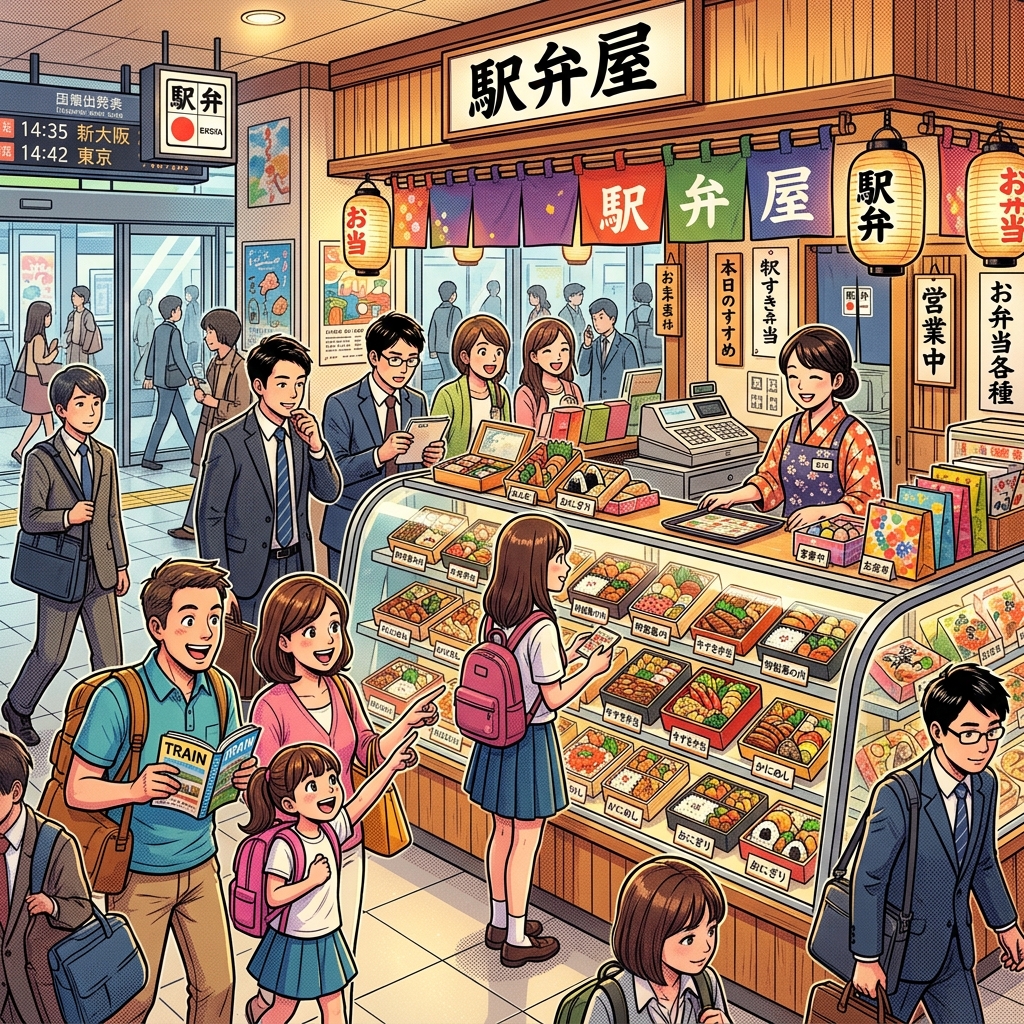
If you only visit one ekiben shop in Japan, make it Ekibenya Matsuri inside Tokyo Station. Located near the Central Marunouchi entrance (inside the ticket gates), this legendary store stocks over 200 varieties from every corner of the country.
It is like traveling through all of Japan’s culinary regions without ever leaving Tokyo.
Here are some tips for conquering Matsuri like a pro:
Go early. The most popular ekiben sell out by early afternoon, especially on weekends and holidays.
Check the “Staff Picks” display. The store rotates its featured recommendations based on popularity and seasonal availability — these are always a safe bet.
Note the access rule. The shop is inside the JR ticket gates. If you are not traveling by train, you will need a platform entry ticket (around 150 yen) to get in.
Pair your ekiben with a local drink. Nearby kiosks sell regional craft beers and sake — the perfect companion for your bento.
Ekiben Etiquette: The Unwritten Rules
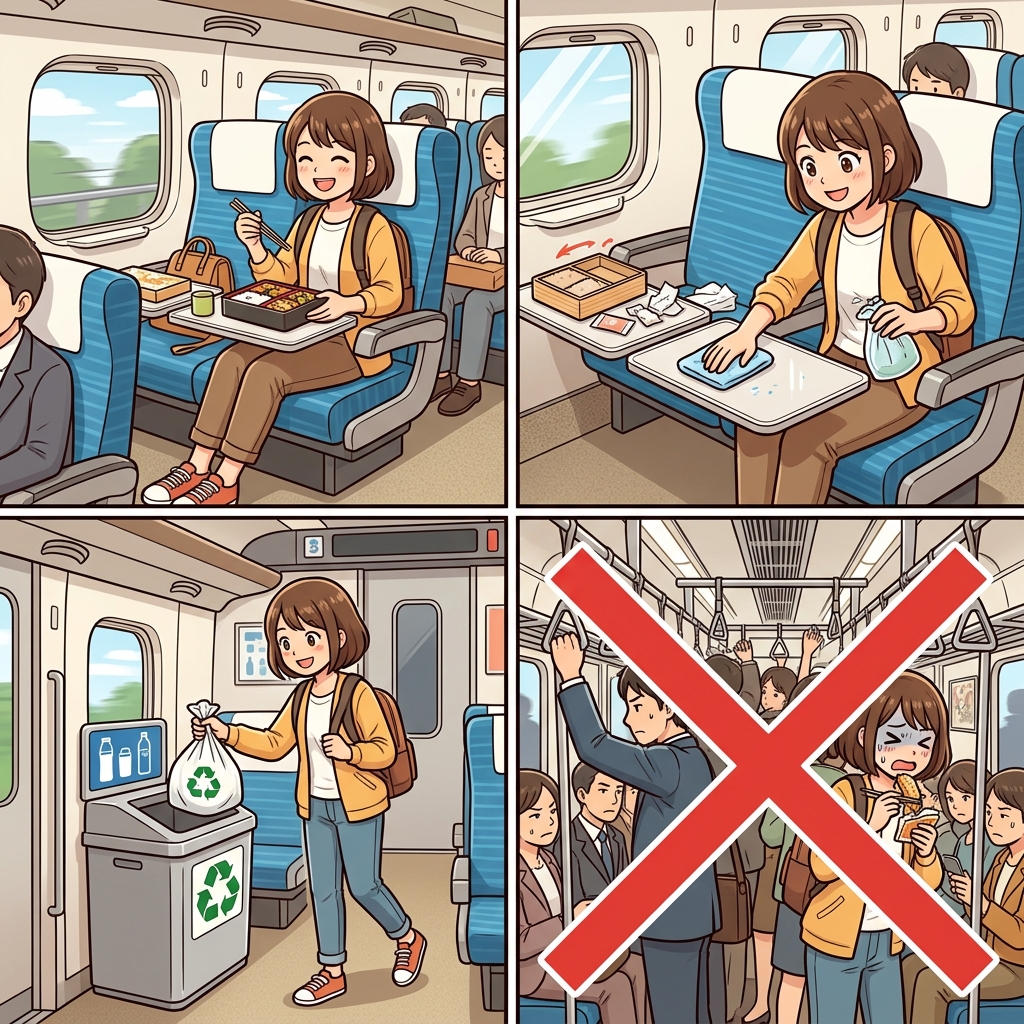
Japan has a rich culture of consideration for others, and train dining is no exception. Follow these simple guidelines to enjoy your ekiben like a local.
Where Eating Is Welcome
Eating is perfectly acceptable — even encouraged — on long-distance trains like the Shinkansen, limited express trains, and sightseeing trains. In fact, many Japanese travelers consider the ekiben to be the highlight of their journey.
However, eating on local commuter trains (like the Yamanote Line in Tokyo) is generally considered poor manners. Save your bento for the bullet train.
The Smell Rule
Avoid foods with strong or pungent odors. While most ekiben are designed to be largely odor-neutral, bringing your own heavily spiced or fried foods from outside can disturb fellow passengers.
Keep It Clean
Use the small wet towel (oshibori) included with most ekiben before eating. Keep your tray area tidy, and dispose of your trash in the garbage bins located at the end of each train car — or take it with you when you leave.
Phone and Noise
Keep conversations at a low volume. Never make or take phone calls in the seating area — step to the deck between cars if you must.
Self-Heating Ekiben: Hot Meals Anywhere
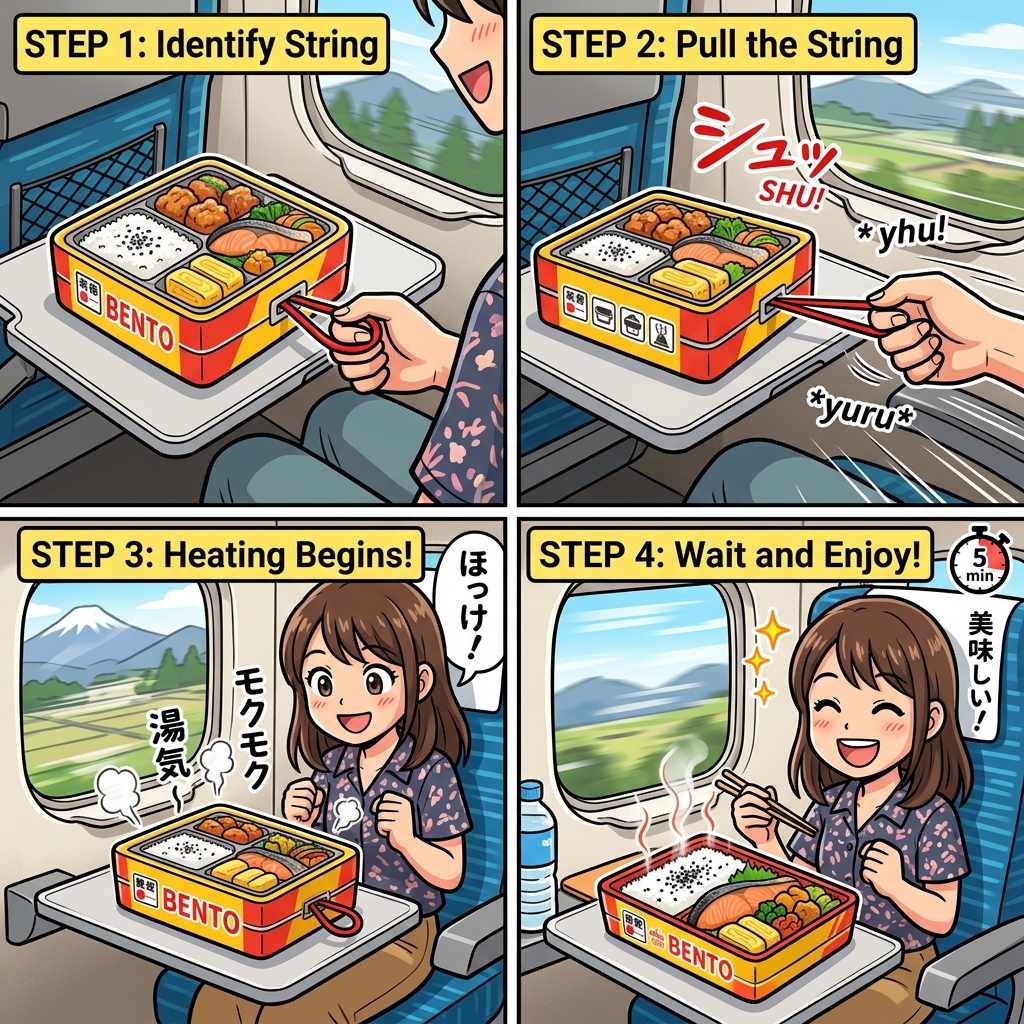
One of the most ingenious innovations in ekiben technology is the self-heating bento. These clever boxes have a pull-tab or string on the side that triggers a chemical reaction (usually quickite mixed with water), generating steam that heats your meal in about five to eight minutes.
No microwave. No electricity. Just pull and wait.
These are especially popular during the colder months and frequently feature dishes like gyutan (beef tongue), sukiyaki, or steamed rice with seasonal toppings. Look for the words “atatamaru” (温まる) or “hikitate” on the packaging — they signal a self-heating function.
Beyond the Bento: Collectible Containers
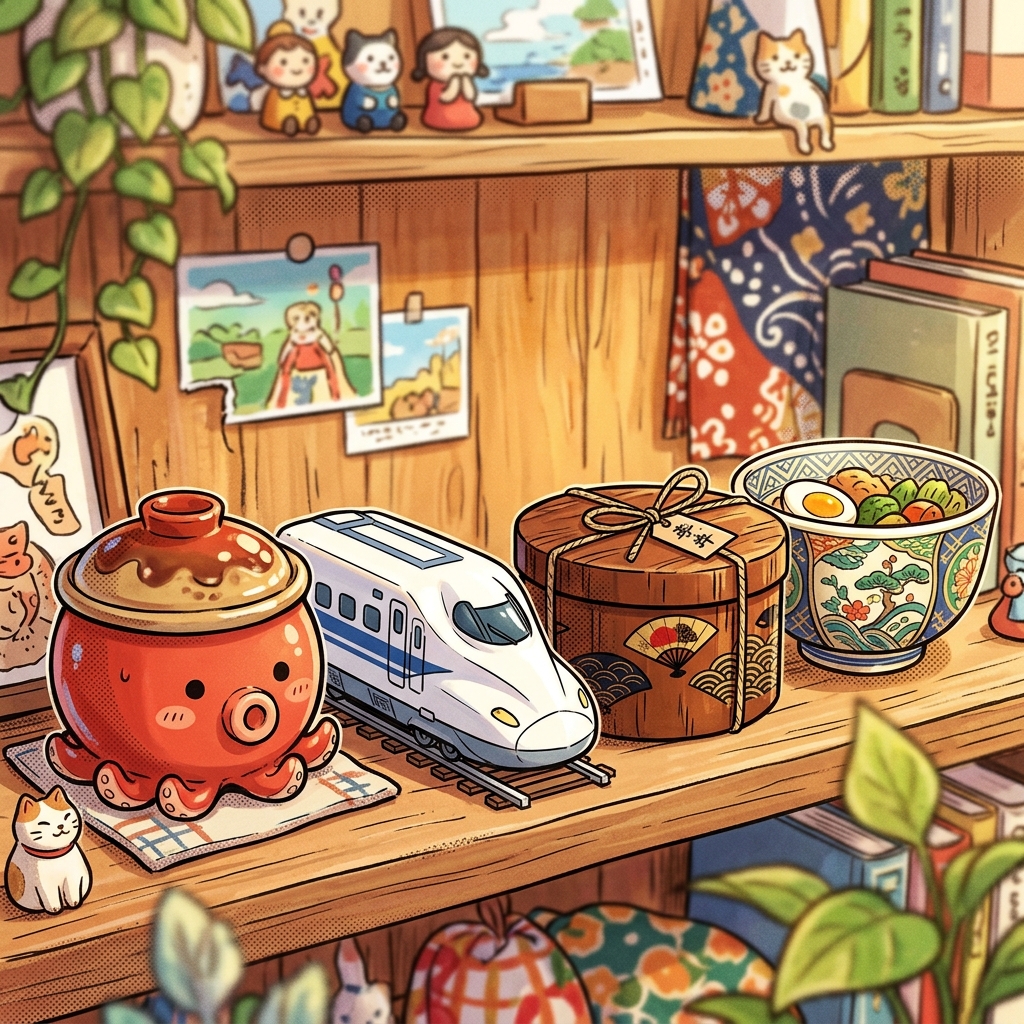
For many travelers, the container is half the fun. Some ekiben come in beautifully crafted vessels that double as keepsakes.
The Hippari-dako Meshi (Akashi) uses an actual ceramic octopus pot.
Some Shinkansen-themed ekiben for children come in detailed plastic bullet train models.
Masu no Sushi (Toyama) is wrapped in a round cedar box that smells of fresh wood.
Regional pottery ekiben feature ceramic bowls from local kilns.
These are not just lunch boxes — they are souvenirs, conversation starters, and small works of art.
Practical Tips for Your 2026 Ekiben Adventure
Shinkansen Luggage Rules You Need to Know
If your luggage exceeds 160 cm in total dimensions (length + width + height), you must reserve a “seat with oversized baggage area” in advance on the Tokaido, Sanyo, and Kyushu Shinkansen. Boarding without a reservation may cost you a 1,000 yen surcharge. Consider using Japan’s excellent takkyubin (luggage delivery) service to travel hands-free.
Tax-Free Shopping Update
Until October 31, 2026, the current tax-free shopping system remains in effect — show your passport at participating stores and skip the 10% consumption tax at checkout. Starting November 1, 2026, Japan switches to an airport-based refund system, meaning you will pay full price in stores and claim a refund at the airport before departure. Plan your souvenir shopping accordingly.
New Lodging Taxes
As of April 2026, several prefectures and cities (including Hokkaido and Hiroshima) have introduced or increased local lodging taxes. These are separate from your room rate and are charged per person, per night. Budget an extra few hundred yen per night to avoid surprises.
The Magic of Eating on the Move
There is something almost meditative about eating an ekiben on a Shinkansen. The world outside rushes by in a blur of green and grey, the hum of the rails becomes white noise, and in your hands sits a tiny, perfect window into a region you may never have visited otherwise.
Ekiben is not just food. It is storytelling. It is craftsmanship. It is a deeply Japanese way of turning an ordinary journey into something extraordinary.
So the next time you board a bullet train in Japan, skip the sandwich. Pick up an ekiben instead. Your taste buds — and your Instagram — will thank you.