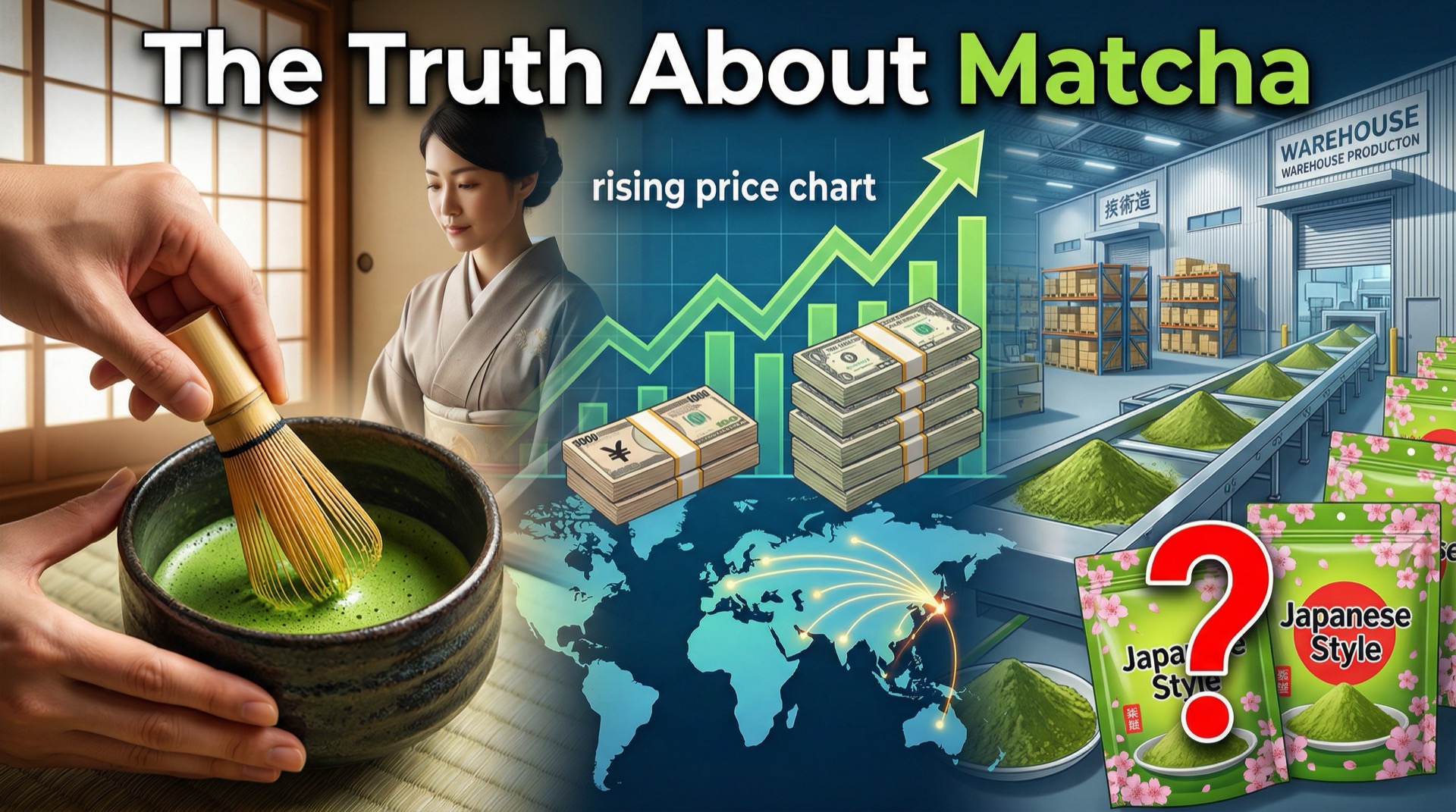
Matcha has taken the world by storm. From bustling cafes in New York to trendy dessert spots in London and Seoul, this vibrant green powder has earned its reputation as a global “superfood.” However, as its popularity peaks, so does confusion and deception in the international market.
If you are a matcha lover, you might be surprised to learn that much of what is sold overseas—and sometimes heavily discounted online—isn’t authentic Japanese matcha at all. Here is everything you need to know about Japanese tea culture, what real matcha is, why its price is surging, and how to avoid falling for counterfeit products.
The Heart of Japanese Tea Culture: Sencha vs. Matcha
To truly appreciate matcha, one must first understand its place within Japanese culture. Tea is not just a beverage in Japan; it is deeply embedded in the nation’s spiritual and daily life. The traditional Japanese tea ceremony, known as Sado or Chado (The Way of Tea), is a highly choreographed ritual centered on the preparation and offering of matcha, embodying principles of harmony, respect, purity, and tranquility.
However, despite matcha’s global fame, the green tea that Japanese people drink on a daily basis is actually quite different.
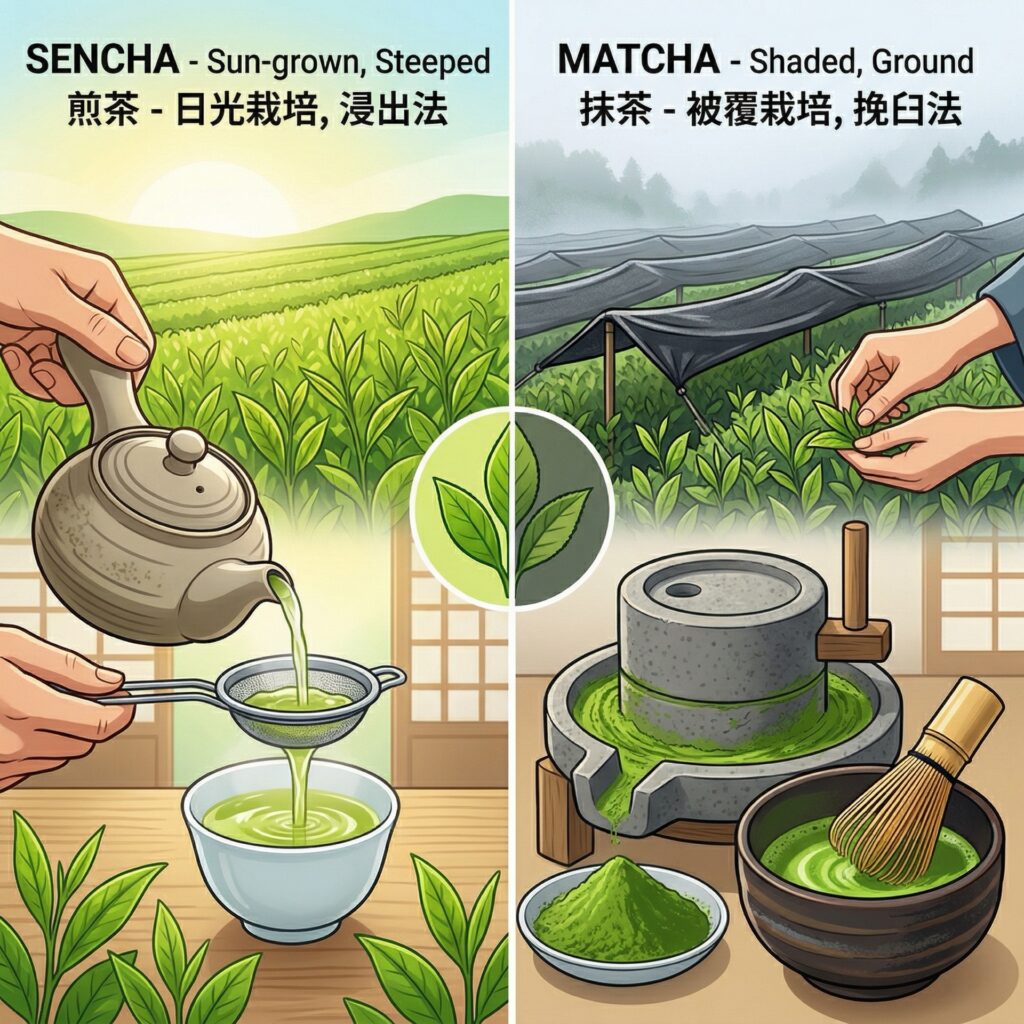
While “Ryokucha” is the blanket term for green tea, the everyday staple is Sencha. Sencha is made from tea leaves grown in full sunlight. To prepare it, the leaves are steeped in hot water, and the infused liquid is consumed while the leaves are discarded. It offers a refreshing, slightly astringent, and light flavor.
Matcha, on the other hand, is reserved for traditional ceremonies, special occasions, and high-end culinary arts. It is made from high-quality tea leaves known as Tencha. About three to four weeks before harvest, these plants are covered to block out direct sunlight. This shading process forces the plant to overproduce chlorophyll and amino acids, specifically L-theanine, which gives matcha its stunning emerald-green color, its signature rich “umami” flavor, and its calming energy boost.
After harvesting, the leaves are steamed, dried, de-veined, and slowly ground into a silky-smooth powder using traditional stone mills. Because it is a powder whisked directly into water, when you drink matcha, you are consuming the entire tea leaf—and 100% of its potent nutrients.
The Global Boom and Surging Prices
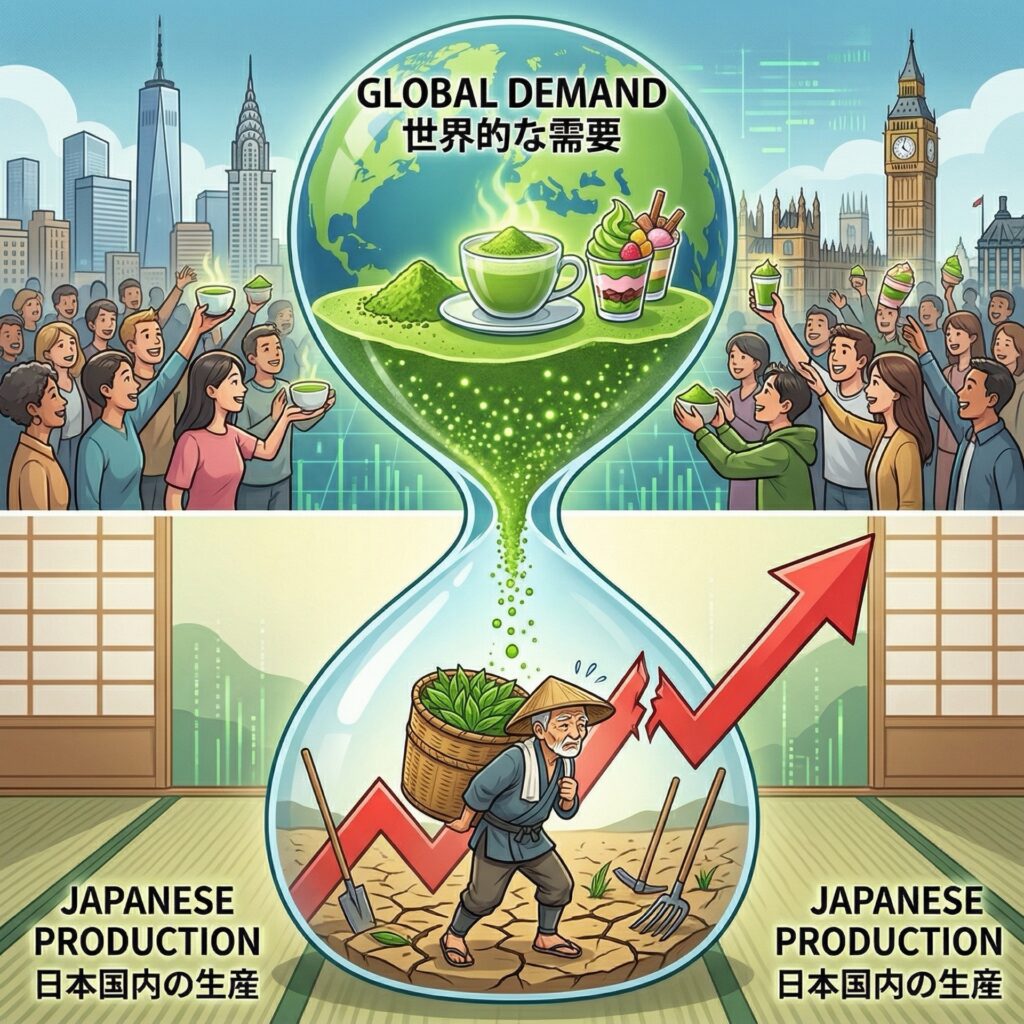
In recent years, the price of authentic matcha has skyrocketed, with some premium tea leaves doubling in cost. There are two main reasons for this:
- Explosive Global Demand: The international appetite for matcha—driven by health-conscious consumers and social media trends—has outpaced supply. Currently, a significant portion of Japan’s green tea production is strictly exported.
- Limited Production Capacity: Growing tencha is incredibly labor-intensive. Coupled with Japan’s aging farming population, a lack of successors in agriculture, and unstable weather patterns caused by climate change, farmers are struggling to keep up with the global thirst for matcha.
The Fake Matcha Problem: Why Fakes are So Hard to Spot
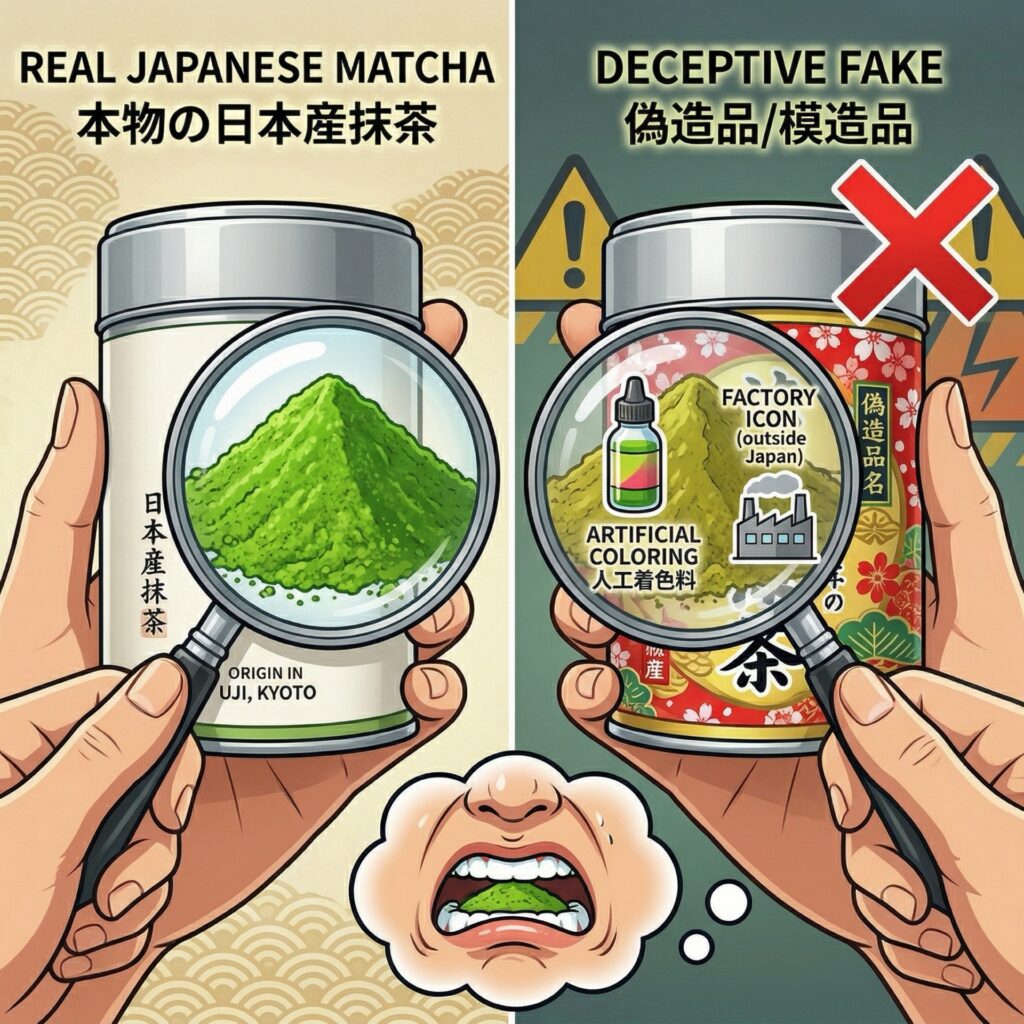
With high demand and surging prices, the market has naturally been flooded with cheap imitations. Many of these counterfeit products are mass-produced in countries outside of Japan (often China or Vietnam) using inferior tea leaves and processing methods, yet are deceptively marketed as “Japanese Matcha.”
The scariest part? Spotting a fake is incredibly difficult for the average consumer. Counterfeiters have become highly sophisticated at tricking international buyers:
- Deceptive Packaging: Fake matcha is almost always sold in packaging heavily decorated with Japanese characters, cherry blossom motifs, or fake “traditional” stamps that create an illusion of Japanese authenticity.
- Hidden Origins: Many brands use vague phrasing like “Japanese Style Green Tea” or simply avoid stating the actual country of origin, hiding the fact that the tea leaves were grown and processed elsewhere.
- Color Disguises: While true matcha boasts a natural, vibrant emerald green, fakes are naturally dull or yellowish. However, some unethical manufacturers now add artificial food coloring to their cheap powders to mimic the bright green hue of premium matcha, making visual identification nearly impossible through a screen or a sealed tin.
By the time you open the package and taste the harsh, bitter, and astringent flavor of a fake—realizing it completely lacks the creamy umami of authentic matcha—it is usually too late.
Where to Buy Authentic Matcha in Japan
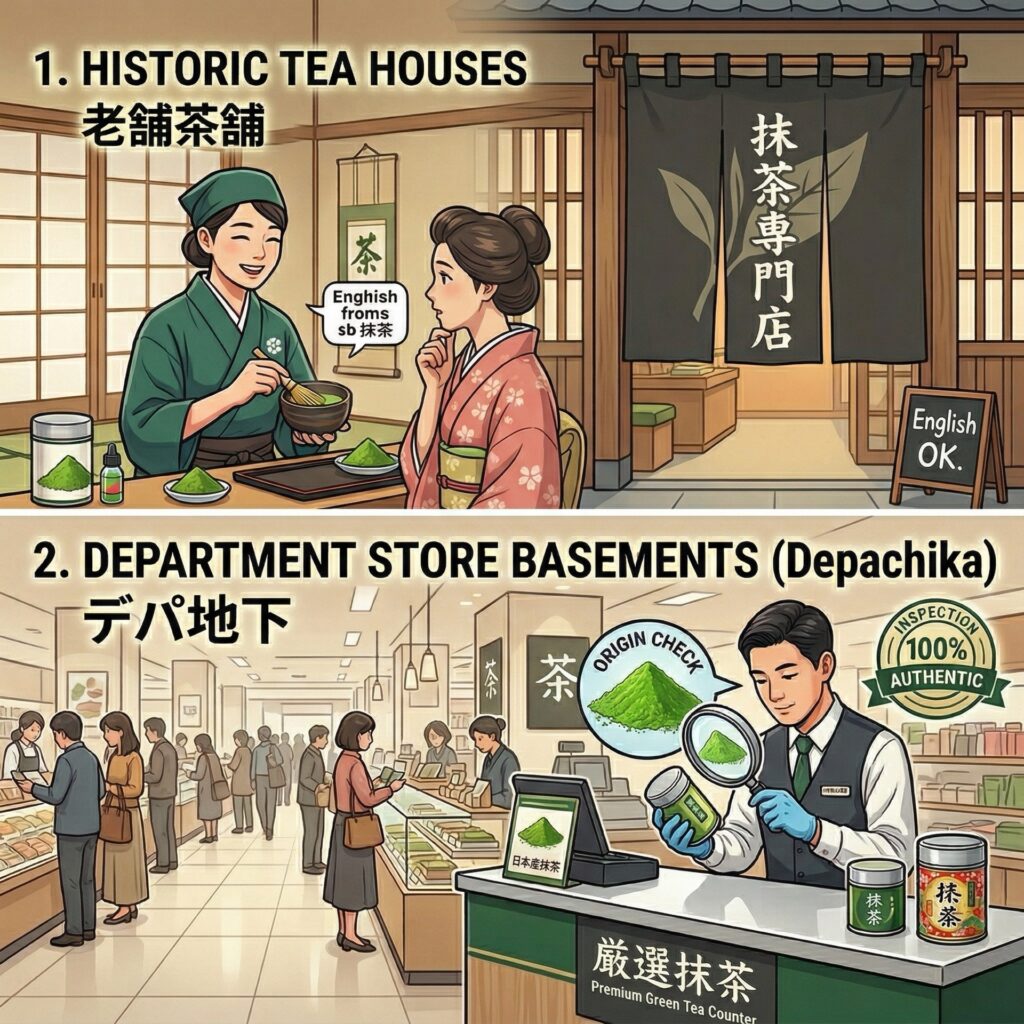
Because visual cues and packaging can be easily manipulated, the only surefire way to avoid counterfeits is to rethink where you buy your matcha. If you are visiting Japan, this is your ultimate opportunity to purchase authentic, high-quality matcha directly from the source.
To ensure you are getting the real deal, avoid random souvenir shops or standard supermarkets. Instead, head to these highly reliable locations:
Itoen Oi Ocha Domestic Matcha 30g
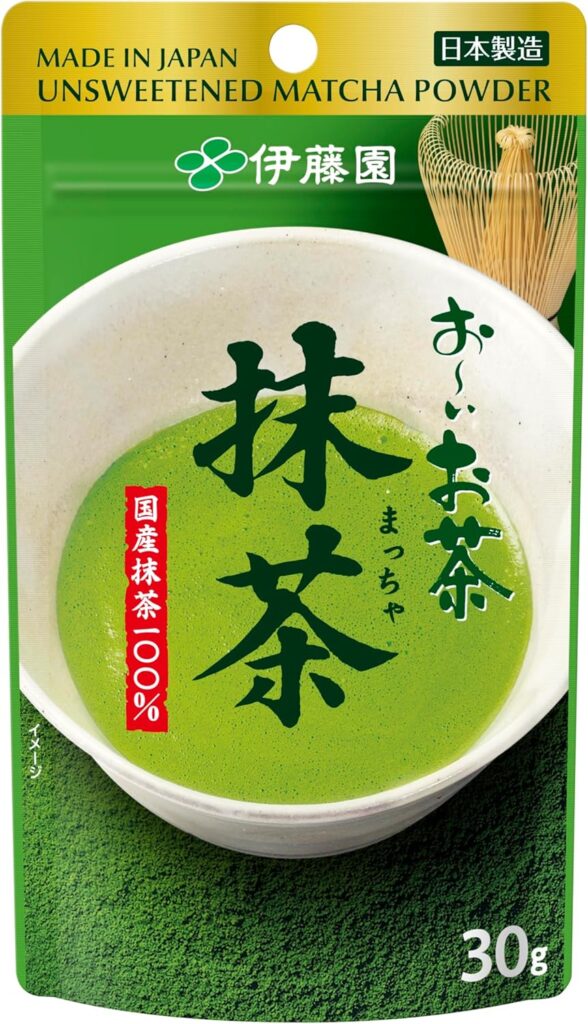
1. Historic Tea Houses (Specialty Grocers)
For the most authentic and educational experience, visit a dedicated tea shop. Renowned brands that have been perfecting tea for centuries often have flagship stores in Tokyo and Kyoto with English-speaking staff.
- Ippodo Tea Co. (一保堂茶舗): A nearly 300-year-old institution from Kyoto. They have a brilliant, foreigner-friendly store in Marunouchi, Tokyo, where you can taste different grades of matcha before buying.
- Nakamura Tokichi (中村藤吉本店): Another legendary brand from Uji, Kyoto, famous for its extraordinarily high-quality matcha. You can find their premium products at their store inside GINZA SIX in Tokyo.
2. “Depachika” (Department Store Basement Food Halls)
If you don’t have time to visit a flagship store, head to the basement level of any major luxury department store (like Isetan, Mitsukoshi, or Takashimaya). These “Depachika” floors rigorously curate their vendors. You will find dedicated stalls for Japan’s top tea brands, ensuring 100% authenticity and premium quality.
What to Look For on the Label:
When shopping, look for renowned tea-producing regions distinctly listed on the packaging, such as Uji (Kyoto), Nishio (Aichi), or Kagoshima. Also, keep in mind that authentic matcha is naturally expensive. If the price feels too good to be true, it likely is.
Experiencing the true, unadulterated taste of authentic Japanese matcha is an unforgettable cultural experience—and bringing home the real deal is a luxury that is worth every penny.