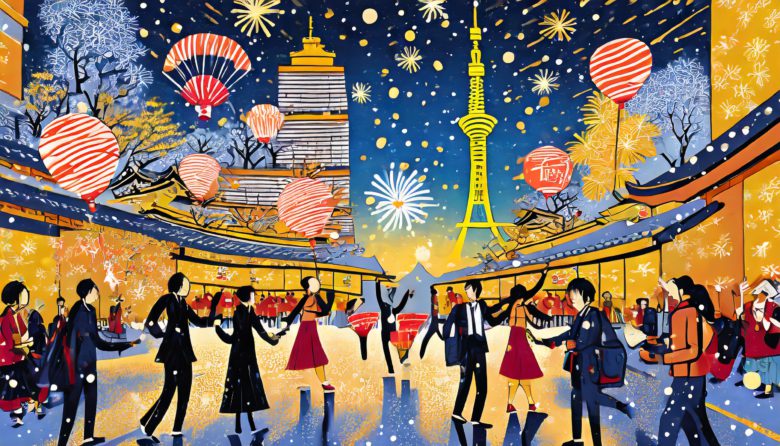
As the first rays of the 2024 sun graced the bustling city of Tokyo, I embarked on a culturally immersive journey to experience Hatsumode, the traditional Japanese practice of visiting a shrine or temple for the first time in the New Year.
In Tokyo, this ritual holds a special charm, bringing together history, spirituality, and a festive atmosphere.
The Essence of Hatsumode

Hatsumode is not just a religious observance; it’s a cultural phenomenon deeply embedded in the Japanese way of life.
It signifies a fresh start, an opportunity to express gratitude, make new year resolutions, and pray for good fortune.
The air is filled with a sense of renewal and hope.
The Spiritual Hubs: Tokyo’s Famous Shrines
Meiji Shrine (Meiji Jingu)

Nestled in a serene forest, Meiji Shrine, dedicated to Emperor Meiji and Empress Shoken, is a top choice for Hatsumode.
As I walked along the spacious paths, lined with towering trees, the tranquility contrasted sharply with Tokyo’s usual hustle.
The shrine’s majestic torii gate is a sight to behold, symbolizing the transition from the mundane to the sacred.
Asakusa Shrine (Senso-ji)

Asakusa Shrine, adjacent to the vibrant Senso-ji Temple, offers a more colorful and lively Hatsumode experience.
The approach to the shrine is through Nakamise Street, a bustling alley filled with stalls selling traditional snacks and souvenirs.
The vivid red architecture and the giant lantern at Kaminarimon gate provide a picturesque backdrop for New Year prayers.
Yasukuni Shrine
Yasukuni Shrine, known for its historical significance, attracts many visitors.
The shrine, commemorating those who have died in service to Japan, offers a somber yet profound Hatsumode experience, reminding us of the country’s past and the importance of peace.
The Hatsumode Experience: Rituals and Festivities
Upon arriving at the shrine, I followed the customary rituals: cleansing at the temizuya (water pavilion), offering a small donation, and praying for a prosperous year.
The sound of joya-no-kane, the ringing of the large bell, resonated, symbolizing the shedding of 108 worldly desires according to Buddhist belief.
The atmosphere buzzes with excitement. Stalls selling omikuji (fortune-telling strips), ema (wooden plaques for wishes), and various lucky charms create a festive mood. Savoring warm amazake (sweet rice wine) and enjoying traditional performances, I felt deeply connected to the local culture.
Embracing the New Year’s Spirit
As I left the shrine, the blend of spiritual reverence and joyous celebration left a lasting impression.
Hatsumode in Tokyo is not just about offering prayers; it’s a testament to Japan’s rich traditions and the city’s ability to balance the old with the new.
For visitors to Tokyo, experiencing Hatsumode offers a unique window into the soul of Japan, a blend of solemnity, celebration, and community spirit.
It’s a perfect start to the New Year, promising peace, health, and happiness.